
Morales Urges Madrid and Brussels to Recognize Morocco's Unreliable Nature
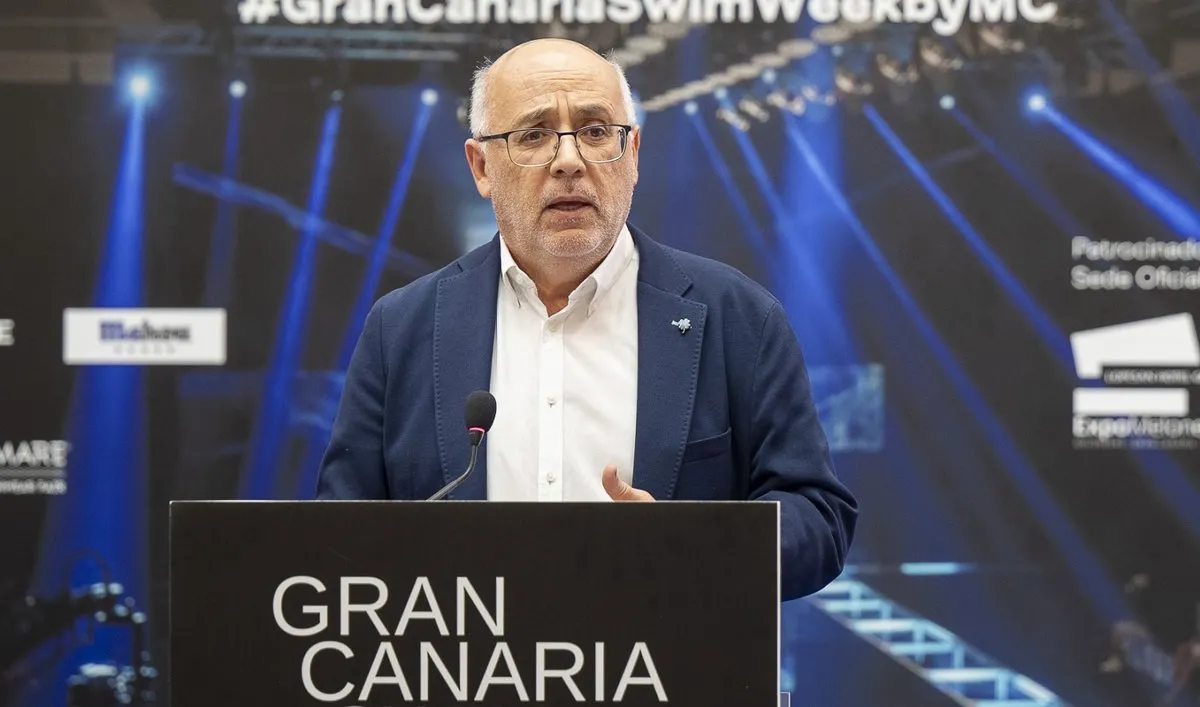
Antonio Morales, the President of the Gran Canaria Cabildo, has issued a compelling call to action for both Madrid and Brussels, urging them to abandon their naïve perspectives regarding Morocco. He asserts that Morocco is not a trustworthy partner and has pointed out that the neighboring country often manipulates situations to its advantage. In a recent opinion piece, Morales highlighted the ongoing "recomposition of international alliances" that positions Morocco as the primary beneficiary while placing the Canary Islands in a precarious position as an exposed border within a geopolitically charged environment, particularly in light of the rising far-right movements in the United States and Europe.
Morales elaborated that the Abraham Accords, which involve the United States, Israel, and Morocco, were never merely about fostering goodwill among neighbors. Instead, he argues, they represent a strategic exchange where Washington secured Morocco's recognition of Israel in return for endorsing Rabat's sovereignty over Western Sahara. This agreement has provided Morocco with unprecedented political and military backing at a time when the Canary Islands serve as Europe’s southern frontier.
In his remarks, Morales condemned Morocco's strategic use of migration pressure as a negotiation tool, explaining that the country has learned to ease border controls to allow thousands of migrants to reach places like Ceuta, Melilla, or the Canary Islands when it suits its interests. He emphasized that this is not a mere failure of control; rather, it is a display of strength, sending a clear message to Madrid and Brussels that Rabat holds the keys to the border and will utilize them at its discretion.
Morales Critiques Spain's Shifting Stance on Western Sahara
Morales firmly stated, "Morocco is not a reliable partner. While Europe maintains necessary, even essential relationships regarding security and trade, Morocco consistently plays with marked cards: it activates cooperation when beneficial and suspends it to extract concessions." He stressed the urgency of addressing the issue of migration flows, which Morocco has weaponized for its foreign policy, particularly with the military and diplomatic support it has received from its alliances with Israel and the United States. For the Canary Islands, this situation is not a distant problem; it manifests in the form of migrant boats and increased pressure on social resources.
Moreover, Morales criticized Spanish Prime Minister Pedro Sánchez's shift in stance regarding Western Sahara, suggesting that this change has not resulted in stability but instead reinforced the perception that Spain capitulates under pressure. He called for a more autonomous foreign policy from Spain, equipped with clear and verifiable tools to address Morocco's influence. Morales argued that the Canary Islands need structural funding for humanitarian reception, maritime and aerial surveillance, cooperation with countries of origin, and the establishment of legal and safe migration pathways.
He concluded with a poignant reminder that while cooperation with Morocco is essential, dependency comes at a significant cost. Morales warned that Europe must not continue to indefinitely outsource migration control to a neighbor that uses its leverage strategically. He reiterated that the challenges present in the Canary Islands are not isolated incidents but are part of a broader international realignment that favors Morocco while placing the Canary Islands in a vulnerable position. Morales emphasized the necessity of a sustained European strategy that places the Canary Islands at the forefront of decision-making, rather than relegating them to the periphery. Ultimately, he stated, "Morocco will play the cards we allow it to play. It is up to us—Spain and Europe—to ensure those cards are no longer marked."
As reported by europapress.es.