
Concerns Raised Over Tourist Exploitation in Ourika
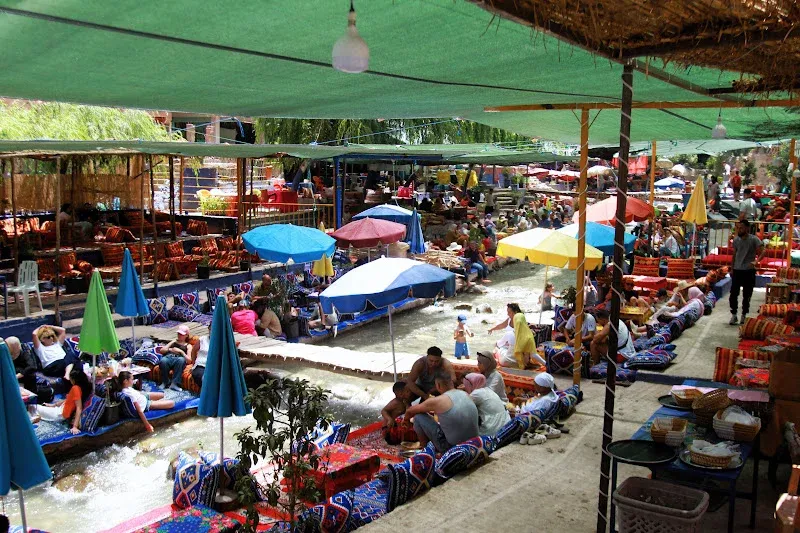
The Moroccan Association for Consumer Protection in the Marrakech-Safi region has expressed significant concern regarding the rising costs imposed on tourists in the Ourika area, where visitors are reportedly being charged up to 100 dirhams just to sit by the riverbanks. This alarming situation has prompted calls for intervention from the relevant authorities. In an official statement released to the media, the association highlighted the growing dissatisfaction among citizens and tourists alike, stemming from rampant greed and exploitation in this popular tourist destination.
According to the association, there have been instances of exorbitant and illegal fees being enforced on visitors in parking lots, reaching as high as 20 dirhams. Furthermore, the association has documented cases where beachgoers are coerced into paying around 100 dirhams to access the riverbanks, which they deem as a blatant violation of public water rights and a significant drain on the purchasing power of Moroccan families.
The association strongly condemned the arbitrary price hikes affecting parking fees, restaurant meals, and recreational services in the Ourika resort, all of which lack legal justification. It criticized the blatant occupation of riverbanks and the transformation of public natural spaces into privately controlled investment zones, effectively operating outside the bounds of law.
In light of these concerns, the association has urged local and regional authorities, as well as relevant municipal councils, to take immediate and stringent action to activate monitoring committees, regulate pricing, and penalize violators. The statement also called for a thorough investigation into the licenses for operating parking lots and leisure areas, emphasizing the need for clear price display boards in accordance with Articles 3 and 4 of Law 31.08.
Moreover, the association warned of the severe repercussions that such exploitative behaviors could have on the reputation of domestic tourism in the region, highlighting the direct negative impact on efforts aimed at revitalizing the sector.
As reported by hespress.com.