
Significant Endorsements for Morocco's Autonomy Plan
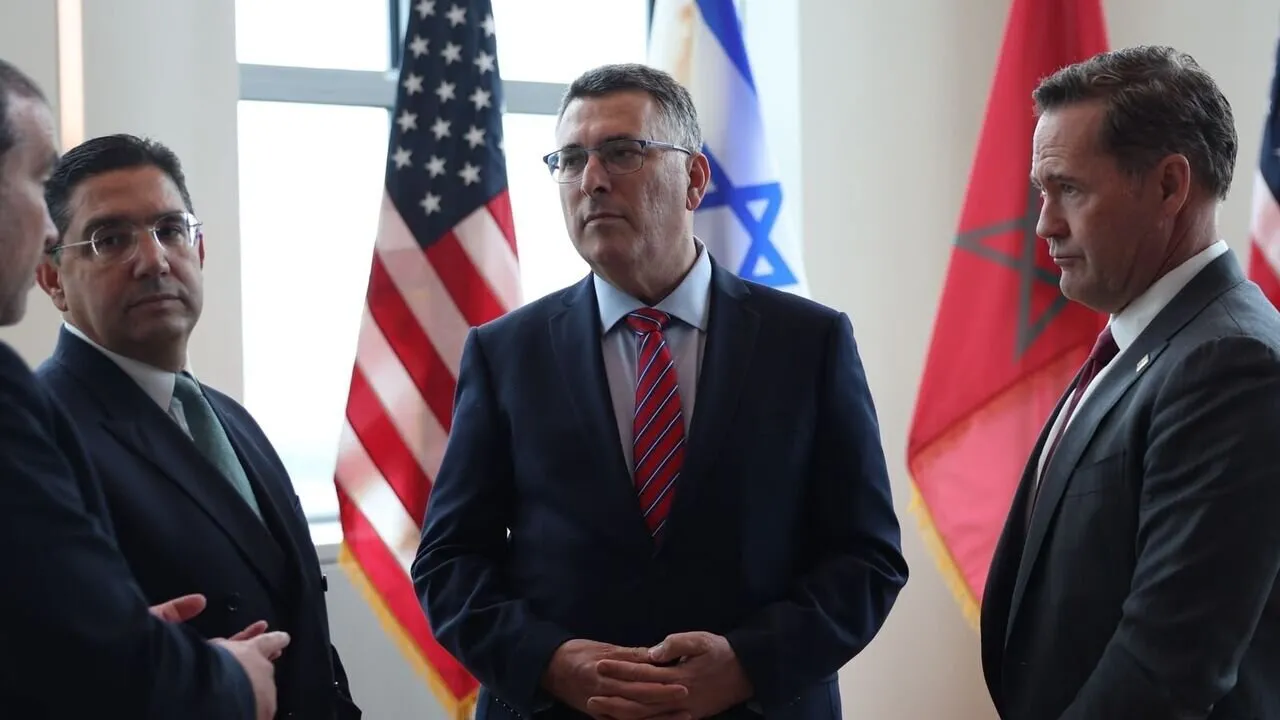
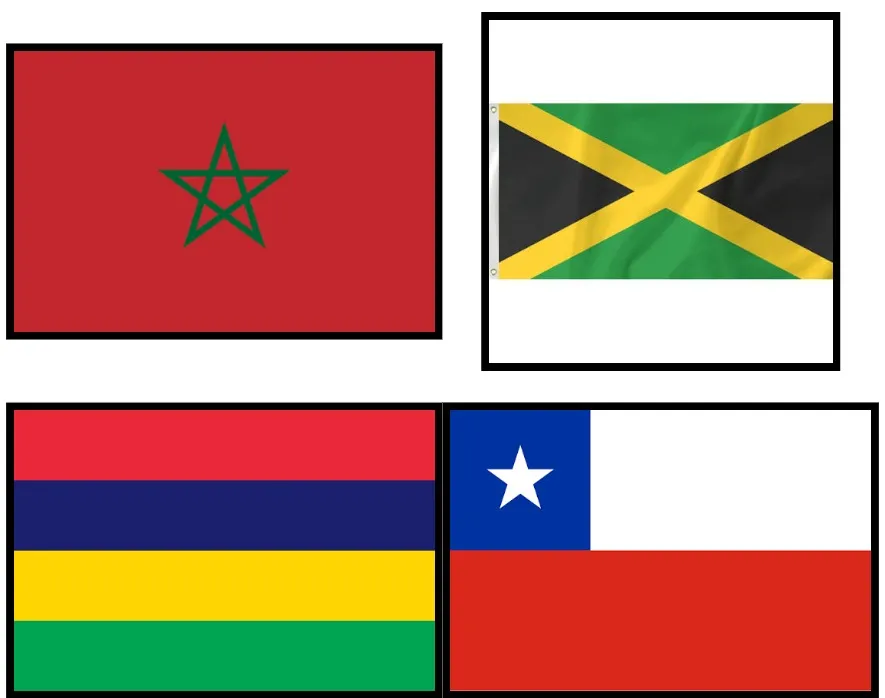
During the 81st session of the United Nations General Assembly in New York, Morocco's Autonomy Plan concerning the Moroccan Sahara dispute garnered considerable international support. This momentum was prominently reflected through high-level diplomatic engagements led by Nasser Bourita, Morocco’s Minister of Foreign Affairs, African Cooperation, and Moroccan Expatriates. Notable endorsements came from countries such as Mauritius, Jamaica, and Chile, marking a pivotal shift in their foreign policy towards the Moroccan initiative.
In a noteworthy declaration, the Republic of Mauritius announced a change in its official stance following the endorsement of UN Security Council Resolution 2797. Foreign Minister Dhananjay Ramful highlighted that the Mauritian cabinet reviewed its position and now acknowledges autonomy under Moroccan sovereignty as “the most credible, realistic, and sustainable solution” to the ongoing regional dispute. This endorsement not only illustrates Mauritius's commitment to supporting Morocco but also indicates a growing alignment of perspectives among several nations.
Broader Diplomatic Alignments
Jamaica has similarly aligned its foreign policy with the framework set by the United Nations, with Foreign Minister Kamina Johnson Smith publicly welcoming Resolution 2797. She emphasized that genuine autonomy under Moroccan sovereignty represents the “most feasible solution” for moving forward in this complex matter. Additionally, both nations have committed to enhancing political dialogue and bilateral cooperation, signaling a deeper engagement in regional affairs.
Chile has also reaffirmed its recognition of Moroccan sovereignty over its full territory, including the Sahara region. Chilean Foreign Minister Francisco Perez Mackenna, alongside President José Antonio Kast, characterized the 2007 autonomy proposal as a “just, lasting, and mutually acceptable political solution.” Beyond mere diplomatic support, Chile is poised to strengthen economic ties with Morocco, pledging to expand trade and investment initiatives. This commitment was solidified through the signing of Terms of Reference to initiate negotiations for a bilateral Free Trade Agreement, showcasing a proactive approach to fostering collaboration in various sectors.
As reported by kbc.co.ke.