
The Transformation of Water Access in Southwest Morocco
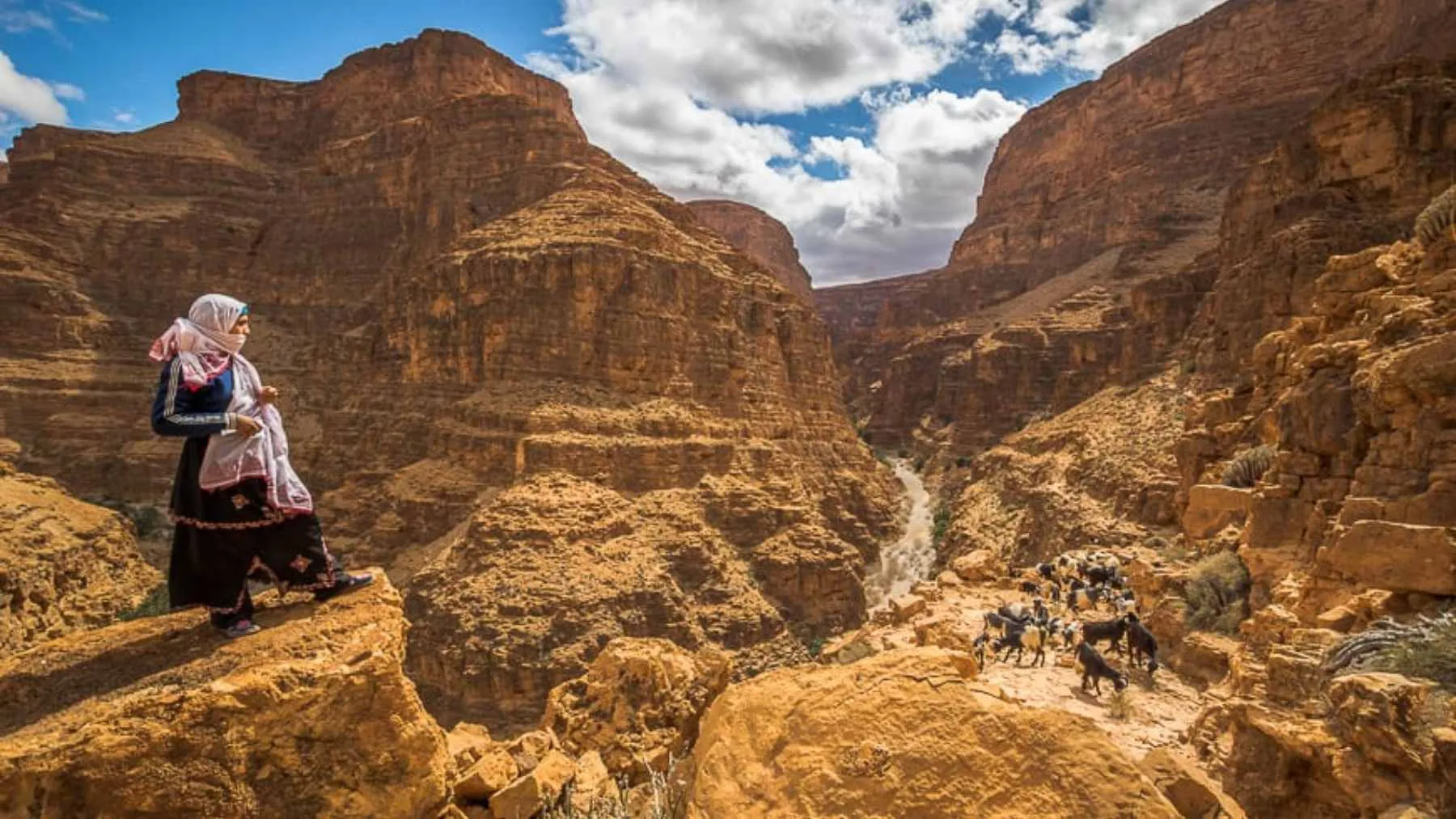
In the Anti-Atlas Mountains of Morocco, a remarkable transformation is taking place, turning the once overburdened task of water collection into a seamless part of daily life for local villagers. Historically, women in the Ait Baamrane region have spent up to four hours each day hauling heavy five-gallon barrels filled with water, often weighing nearly 50 pounds. However, the introduction of innovative fog nets, strategically mounted at elevations of 4,000 feet, is now capturing moisture from the Atlantic mist and channeling it directly to taps located approximately 6.2 miles away. This groundbreaking development not only alleviates the physical strain associated with water gathering but also represents a significant leap towards sustainable water management in an area grappling with diminishing groundwater resources and the impacts of climate change.
Fog Harvesting: A Sustainable Solution to Water Scarcity
The initiative, spearheaded by Dar Si Hmad—a women-led nonprofit organization—aims to address the persistent water stress experienced in the region. The project has garnered recognition from the United Nations Framework Convention on Climate Change (UNFCCC) as a model of participatory climate adaptation, utilizing an environmentally friendly source of water to combat desertification. Initially, the fog harvesting system comprised approximately 6,460 square feet of specialized nets, along with seven reservoirs capable of storing around 142,000 gallons of water, six solar panels, and an extensive network of pipes. This setup is designed to serve the needs of over 400 residents across five villages, with a significant number of the beneficiaries being women and children.
Fog harvesting might sound like a whimsical concept, but the underlying mechanics are quite straightforward. The system operates by suspending mesh panels between poles, allowing wind to carry fog through the fibers, where moisture condenses into droplets that then flow into gutters and are directed towards storage tanks. The geographic location of Mount Boutmezguida plays a crucial role in the success of this initiative, as the mountain's height and its exposure to seasonal fog and coastal humidity create ideal conditions for moisture collection that flat desert landscapes cannot provide.
Moreover, advancements in engineering and research from institutions like the Massachusetts Institute of Technology (MIT) have significantly enhanced the efficiency of fog collection. By optimizing variables such as mesh spacing, fiber size, and surface chemistry, researchers have managed to boost the efficiency of fog harvesting by an impressive 500%. Dar Si Hmad has been exploring the fog potential of this region since 2006, continually expanding the system to include honeycomb-style nets at the summit, where the collected water undergoes mineralization before being distributed to individual households.
The benefits of this project extend far beyond simply providing drinking water. According to a 2022 case study by Reach Alliance, the initiative has positively impacted 16 villages, reducing the time spent collecting water and improving school attendance for girls. It has also increased access to fresh water in homes and educational institutions, fostering greater involvement of women in the management of local natural resources. This shift not only enhances the community's resilience but also empowers women, who have traditionally been the primary caretakers of water in their households.
Despite initial skepticism about the water sourced from fog—some villagers perceived it as a nuisance that disrupted livestock and rainfall—the system gradually earned their trust as it proved reliable. One villager aptly noted, “Once the water was open, it was a friend, no longer an enemy,” highlighting the profound change in perception that accompanied the tangible benefits of the fog harvesting system.
While the fog harvesting initiative in Morocco exemplifies a tailored approach to climate adaptation rooted in local geography, it is important to recognize that it is not a universal solution. Effective fog harvesting requires the right combination of altitude, consistent fog, wind patterns, maintenance, and community trust. Furthermore, this method should complement existing strategies such as desalination, groundwater protection, and comprehensive water planning. Ultimately, the success of this project demonstrates that with the right conditions, a simple mesh structure on a mountain ridge can provide a sustainable water source that replaces arduous logistical challenges with a more accessible and efficient solution.
As reported by ecoticias.com.