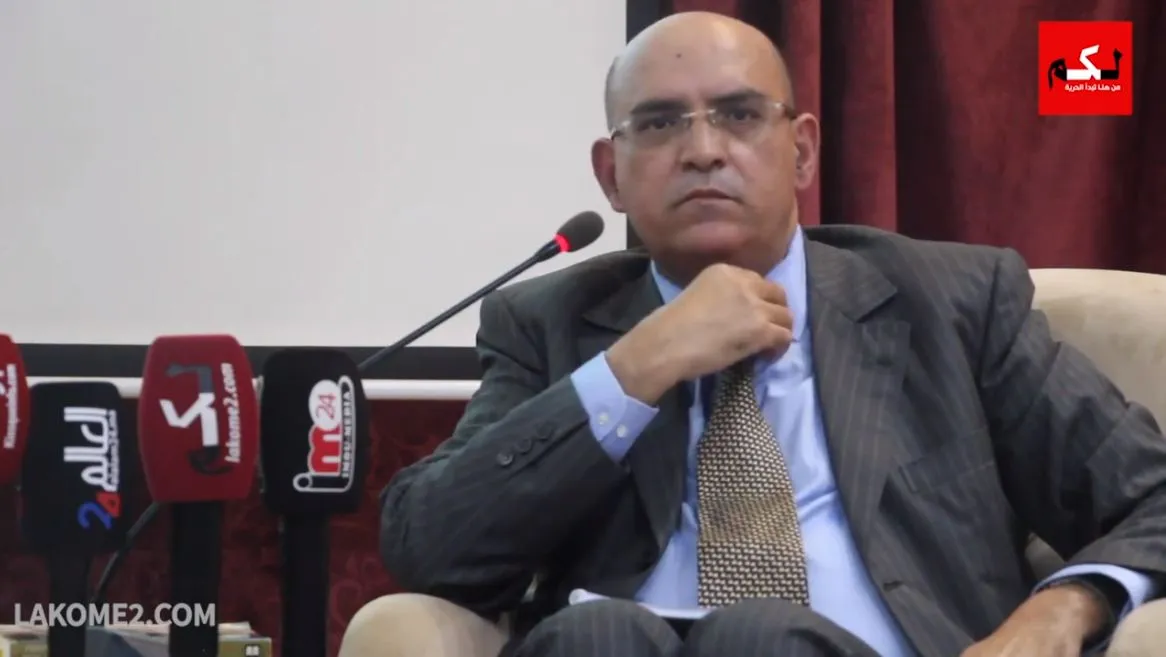

Hassan Ourid's Stance on Morocco's Political Role
Hassan Ourid, a noted novelist and former historian of Morocco, has vocally rejected the impulsive and biased interpretations suggesting that Morocco has been utilized as a tool to discipline Spain regarding its stance on the Palestinian issue, in collaboration with Israel. In an article published on the Al Jazeera website, Ourid articulated that it is inappropriate to link the recent migration crisis or view it as a reaction to Pedro Sánchez's visit to Algeria. He emphasized that such incidents tarnish Morocco's image and contradict the narrative promoted by the authorities. This sentiment was echoed by Morocco's ambassador to Madrid, Karima Benyaich, who stated that the migration event was neither favorable nor pleasing to Morocco, especially as it coincided with the celebration of the King's Throne Day, undermining the rhetoric surrounding national achievements and strategic vision.
Socio-Political Implications of Migration
Ourid elaborated on the migration event, often referred to in Moroccan media as the "Great Escape" to Ceuta, highlighting that it has brought social issues in Morocco back into the spotlight. However, he notes that this situation transcends mere social dimensions and has significant political implications. He lamented the absence of intermediary structures in Morocco, such as political parties, civil society organizations, media, and educational institutions, that traditionally play a role in citizen engagement and awareness. Currently, political action in Morocco appears to be fragmented between state authorities and their coercive instruments on one side, and the streets with their disorganized and violent discourse on the other, which poses a persistent danger to societal stability.
Ourid pointed out that Morocco's achievements are built on what he describes as a dual economy reminiscent of colonial structures, with the benefits accruing only to a select few while the majority struggles with basic needs such as healthcare and employment. This stark disparity has resulted in two divergent social structures in Morocco. He expressed concern that the sociological transformations in Moroccan society, particularly after the protests led by "Generation Z," have not been comprehensively understood by the authorities, which tend to quantify these changes without recognizing their individual human impacts.
In conclusion, Ourid stressed that the migration crisis has unveiled the ongoing colonial situation of Ceuta, a legacy of the past that remains unresolved. While no migrants have openly demanded the liberation of Ceuta, the sentiment persists among many, especially in Melilla, who have attempted to breach the barrier surrounding it. He pointed out that a colonial reality persists in Ceuta, Melilla, and the nearby islands off the Moroccan coast, a situation that lacks justification. Ourid wrapped up his article with a poignant metaphor, stating, "Morocco, like every home, has a façade and a backyard; a prudent perspective is one that examines both fronts without waiting for reality to reveal the backyard in a crude manner, nor to cover the sun with a sieve, as the Moroccan proverb suggests."
As reported by lakome2.com.