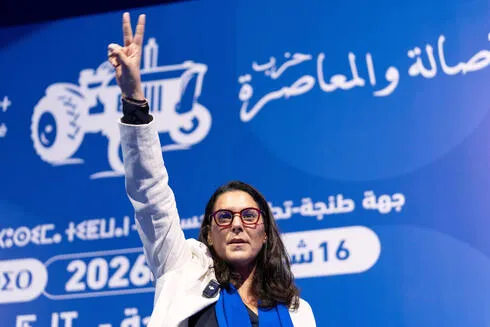

Fatima Ezzahra El Mansouri Appointed as Prime Minister
On September 29, a significant milestone was achieved in Moroccan politics with the appointment of Fatima Ezzahra El Mansouri as the nation’s first female prime minister. This historic decision by King Mohammed VI marks a pivotal moment not only for gender representation in leadership but also for the political landscape in Morocco. El Mansouri, representing the Authenticity and Modernity Party (PAM), emerged victorious in the parliamentary elections held on September 23, where her party secured 97 out of 395 seats. Although this positions PAM as the largest political bloc, it falls short of the 198 seats needed for a majority, indicating that El Mansouri's journey to forming a government will necessitate extensive negotiations and coalition-building efforts.
Challenges and Opportunities in Coalition Politics
The appointment of El Mansouri is heralded as an opportunity for a renewed vision for Morocco, one aimed at enhancing the effectiveness of the state. However, her political capital will be heavily invested in discussions surrounding the distribution of ministries, policy priorities, and budget allocations, which will test her negotiation skills. During her campaign, PAM indicated a reluctance to partner with the National Rally of Independents (RNI) due to previous policy disagreements. Nevertheless, following the elections, El Mansouri has expressed an open stance towards coalition talks, signaling there will be no “red lines” in the discussions, which is crucial for establishing a stable government.
The formation of a government that can effectively address critical issues such as unemployment, which stood at 13 percent in 2025, poses a complex challenge for El Mansouri. The youth unemployment rate among those aged 15 to 24 soared to 37.2 percent, and female unemployment was reported at 20.5 percent. Moreover, the World Bank has highlighted systemic issues, including weak job creation and regional disparities, that require urgent attention. El Mansouri’s administration will need to navigate these issues carefully, as reforms aimed at strengthening the government could also create internal tensions within the coalition.
To foster a productive coalition, a focus on measurable outcomes rather than mere political bargaining could prove beneficial. Establishing national delivery targets for various ministries could create a framework where accountability is enhanced, allowing for oversight of whether these targets are met. This approach could help align the coalition's interests and foster a sense of shared ownership over proposed reforms, thereby mitigating potential friction.
In the context of foreign relations, particularly with Israel, the stability of the coalition will be critical. The relationship between Morocco and Israel, solidified through the Abraham Accords, does not hinge on the political party in power but rather on the enduring institutional relationships that have been established. This dynamic suggests that Morocco can maintain its strategic partnerships while addressing its internal challenges. As El Mansouri embarks on this pivotal role, her success will depend significantly on her ability to turn electoral gains into effective governance, focusing on delivering tangible improvements that resonate with Moroccan citizens.
As reported by ynetnews.com.