
Fatima Ezzahra El Mansouri's Groundbreaking Leadership
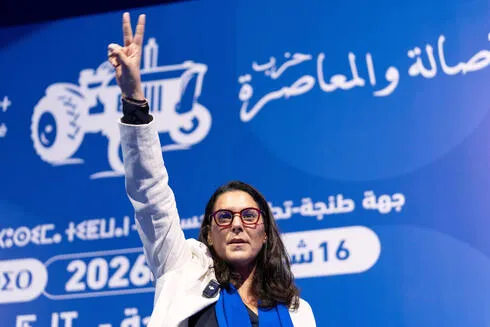
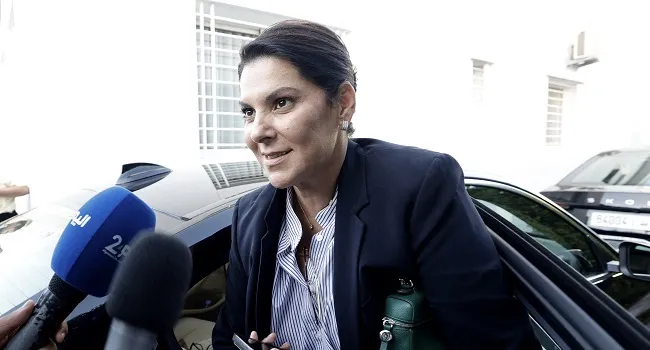
On September 29, 2026, Morocco made a historic stride towards gender equality in governance as King Mohammed VI appointed Fatima Ezzahra El Mansouri, the mayor of Marrakesh, as the nation’s first female prime minister. This remarkable announcement comes in the wake of her party, the centre-right Authenticity and Modernity Party (PAM), achieving a significant electoral victory in the recent parliamentary elections, where they secured 97 out of 395 seats in the House of Representatives. This win not only placed PAM at the forefront of the political landscape but also underscored a pivotal moment in Moroccan history, as El Mansouri emphasized the pride this appointment brings to all Moroccan women.
El Mansouri, 50, who previously held the position of housing minister, expressed her gratitude and pride in her new role during a televised address, stating, “For the first time in our country’s history, a woman is taking on the responsibility of leading the government.” However, her party's success did not yield an outright majority, necessitating coalition discussions with other political entities. Despite this, the monarch retains substantial authority over key policy decisions, ensuring that El Mansouri's tenure will be both challenging and significant.
Addressing Critical National Issues
In her initial remarks following the appointment, El Mansouri acknowledged the daunting challenges ahead, particularly concerning high unemployment rates, rising living costs, and the persistent social inequalities that disproportionately affect the youth. The recent parliamentary elections followed a crisis where tens of thousands of young Moroccan migrants surged into the Spanish enclave of Ceuta, highlighting the urgent socio-economic frustrations that plague the younger generation. El Mansouri recognizes the heightened expectations from Moroccans, especially the youth, stating, “We are fully aware that this period will be significant and marked by high expectations from Moroccans, particularly young people.” To address these issues, her government plans to implement a program that offers concrete and realistic solutions to the concerns of citizens.
The PAM has committed to ambitious goals, including an average annual economic growth rate of five percent, maintaining inflation at two percent, and creating at least one million new jobs over the course of its five-year term. As the political landscape evolves, El Mansouri will need to navigate the complexities of coalition building, especially with the National Rally of Independents (RNI) and the Istiqlal party, both of which secured significant seats in the elections. Meanwhile, the Islamist opposition’s Justice and Development Party (PJD) has expressed skepticism about joining a coalition with PAM due to allegations of electoral fraud without concrete evidence.
As Morocco stands at this historical crossroads, the appointment of Fatima Ezzahra El Mansouri not only symbolizes a breakthrough for women in leadership but also sets the stage for potential reforms that could reshape the nation's socio-economic landscape. Her leadership journey begins now, and all eyes will be on her administration as it strives to fulfill the hopes of a nation eager for change.
As reported by channelstv.com.