
Breaking Barriers in Moroccan Politics
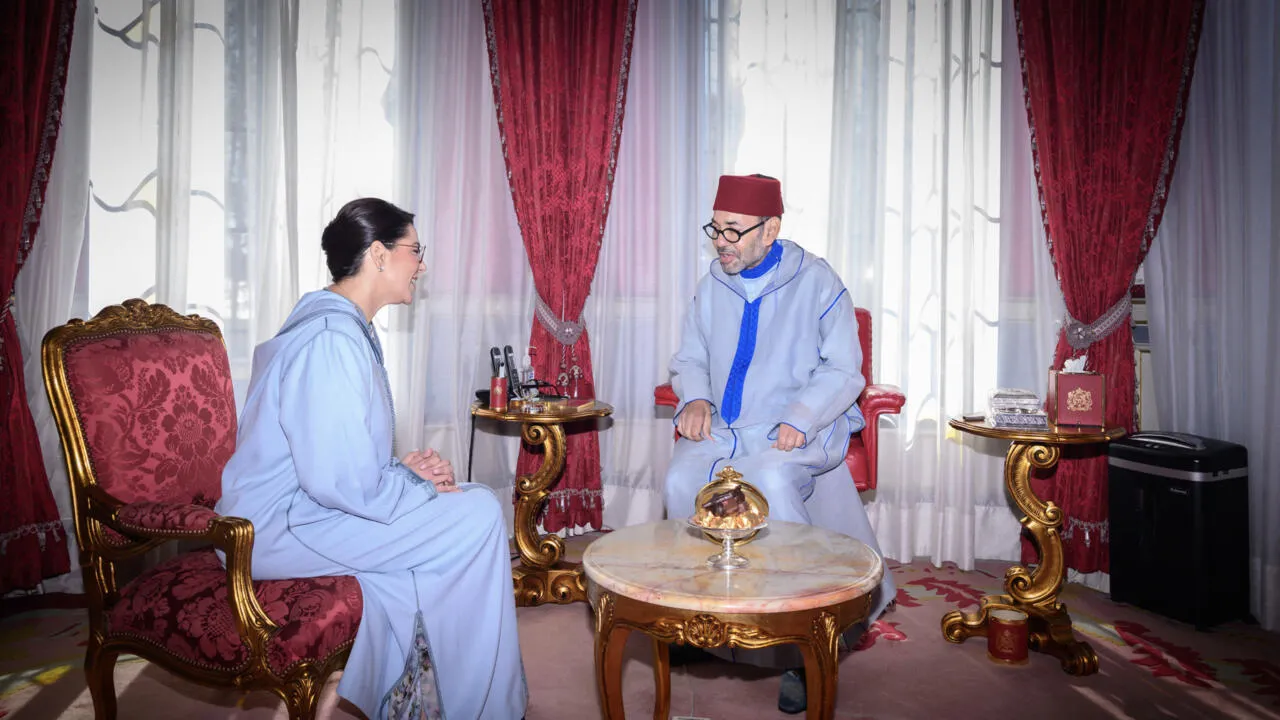
In a groundbreaking moment for Moroccan politics, Fatima Ezzahra El Mansouri has made history by becoming the first woman to be appointed as the head of government in Morocco. This significant appointment was made by King Mohammed VI following the electoral victory of her party, the Authenticity and Modernity Party (PAM), in the legislative elections. At the age of 50, El Mansouri, who previously served as the mayor of Marrakech, now stands at the forefront of a pivotal moment in the country's political landscape. However, her historic ascent does not come without challenges, as the PAM holds only 97 seats in Parliament, falling short of an absolute majority.
The implications of El Mansouri's appointment extend beyond symbolic significance. It raises critical questions about her ability to forge a coalition government, given the fragmented nature of the current political environment. As she embarks on discussions with various political parties, there is widespread anticipation regarding the potential changes her leadership could bring to Morocco. This appointment is seen not only as a victory for women's representation in a traditionally male-dominated sphere but also as a crucial step towards a more inclusive and representative governance structure in the country.
Challenges Ahead for El Mansouri
While the appointment of Fatima Ezzahra El Mansouri marks a historical achievement, it also introduces a myriad of challenges that she must navigate effectively. The question of coalition-building is paramount, as the PAM's lack of an outright majority necessitates collaboration with other political factions to secure legislative support. Observers are keenly watching how El Mansouri will balance the demands of various stakeholders while maintaining her party's vision and priorities.
Moreover, El Mansouri's leadership will be scrutinized in light of pressing national issues, including economic development, social equality, and women's rights. Her ability to address these challenges effectively will not only determine her success as a prime minister but will also shape the future trajectory of Morocco's political landscape. This moment in history serves as a reminder of the ongoing struggle for gender equality in politics, and El Mansouri's leadership could inspire a new generation of women to pursue roles in governance.
As reported by rfi.fr.