
Fátima Mansouri Makes History as Morocco's First Female Government Leader
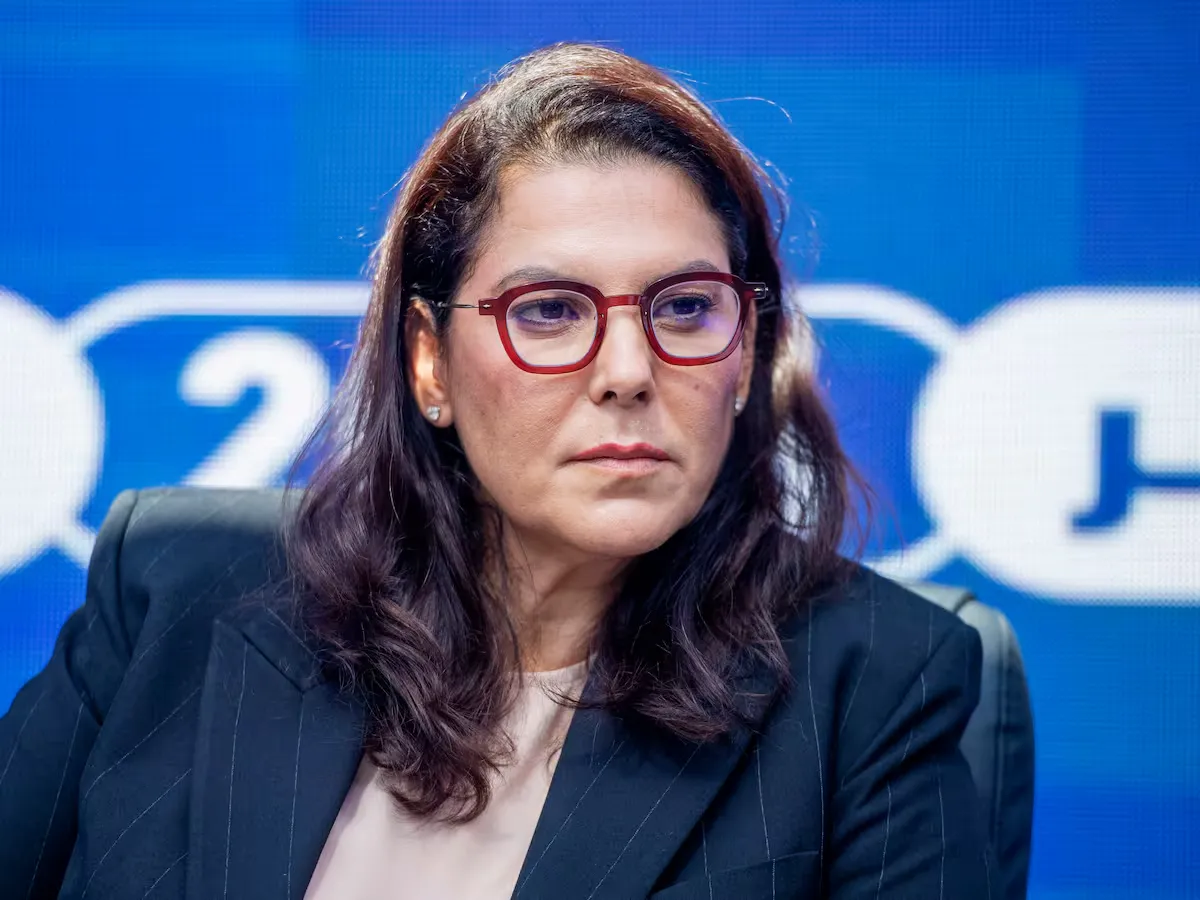
In a groundbreaking move for Morocco, King Mohammed VI has appointed Fátima Mansouri as the first female Prime Minister of the country, following her party's victory in the recent legislative elections. This historic appointment marks a significant milestone in Morocco’s political landscape, as it is the first time a woman has been entrusted with such a high-ranking position since the nation gained independence. Mansouri, a seasoned politician and member of the liberal Party of Authenticity and Modernity (PAM), won the elections decisively, positioning her party at the forefront of Moroccan politics.
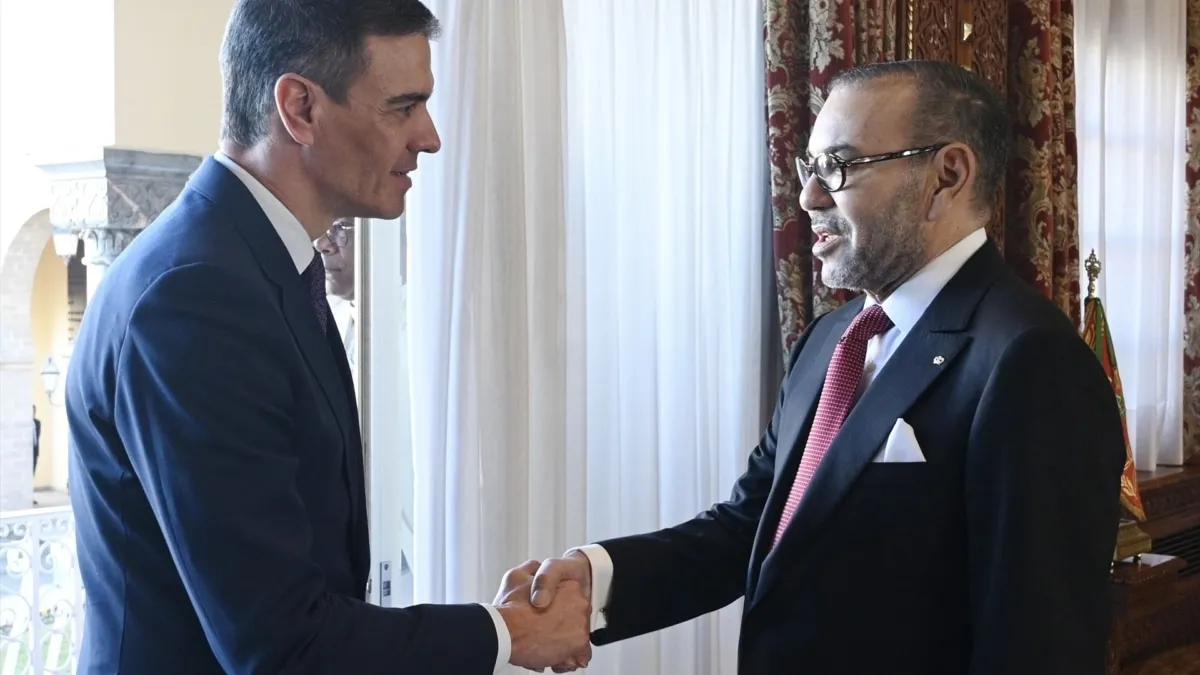
The king's announcement was made during a meeting with Mansouri at the Royal Palace in Rabat, just six days after the elections concluded. At 50 years old, Mansouri carries an impressive political pedigree, having previously served as the mayor of Marrakech and held various cabinet positions, including Minister of Housing and Urban Planning in the last coalition government led by conservative leader Aziz Ajanuch. Her extensive experience and legal background, having studied law, have established her as a formidable figure within the political arena.
Significant Political Journey and Challenges
Mansouri's journey in politics spans over 18 years, making her a prominent member of the PAM, a party established in 2008 by a former royal advisor. Her political acumen has earned her the nickname "the president" among party affiliates, reflecting her strong leadership qualities and deep understanding of Morocco's political system. Notably, she became the first female mayor of a major city in Morocco when she took the helm in Marrakech at the young age of 33.
However, her career has not been without controversy. Mansouri faced criticism for various issues, including delays in urban planning initiatives, challenges in executing social housing projects, and the slow regulation of construction activities. Such challenges will undoubtedly shape her approach as she steps into her new role as Prime Minister, where she is expected to address pressing issues facing the nation.
This appointment not only reshapes the political landscape in Morocco but also positions the country as the second Arab nation to have a female leader, setting a precedent that could inspire other nations in the region. The implications of Mansouri's leadership will be closely monitored as she navigates the complexities of governance in a time of evolving political dynamics.
As reported by cadenaser.com.