
Morocco's Political Milestone: The Appointment of Fatima Ezzahra El Mansouri
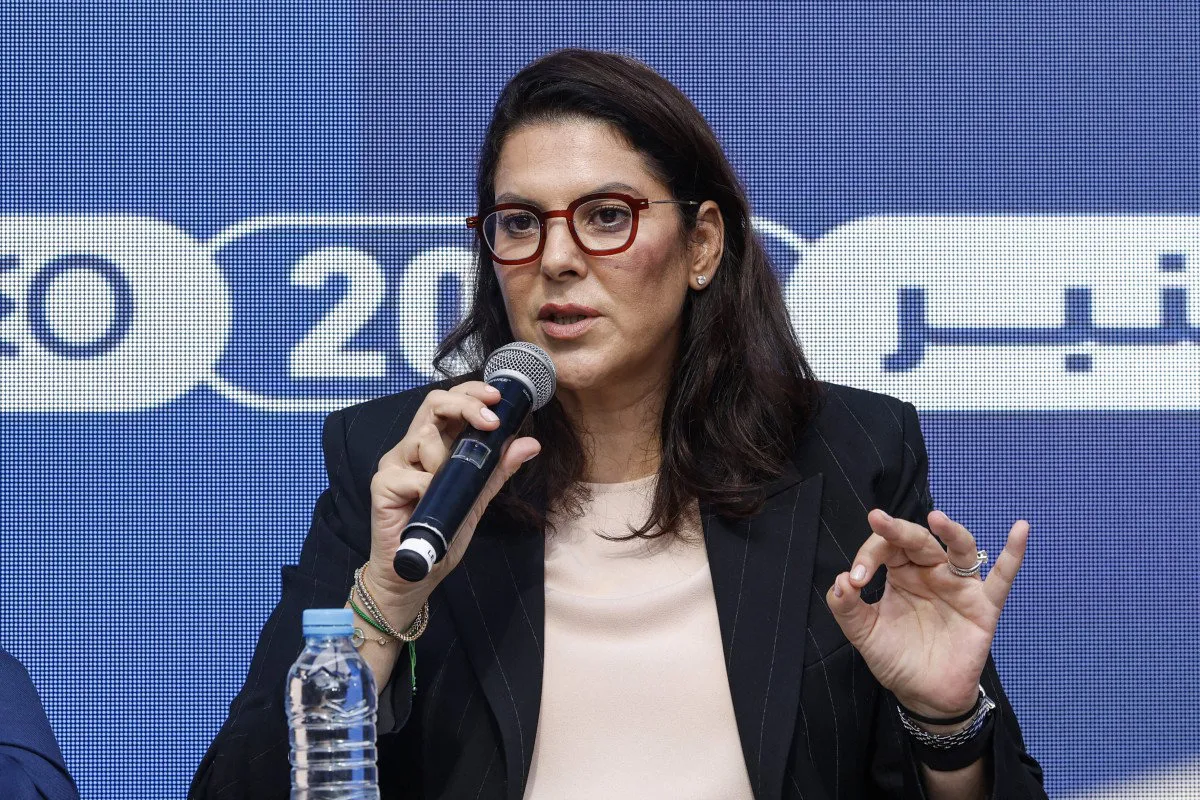
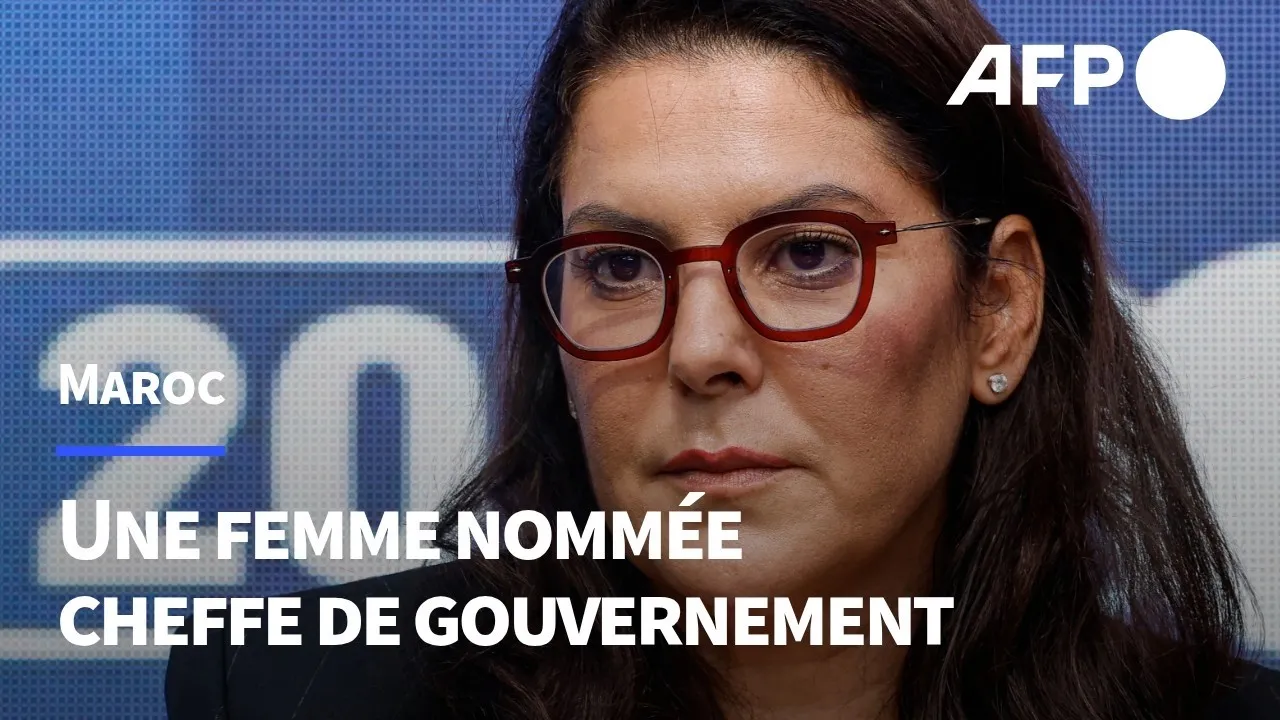
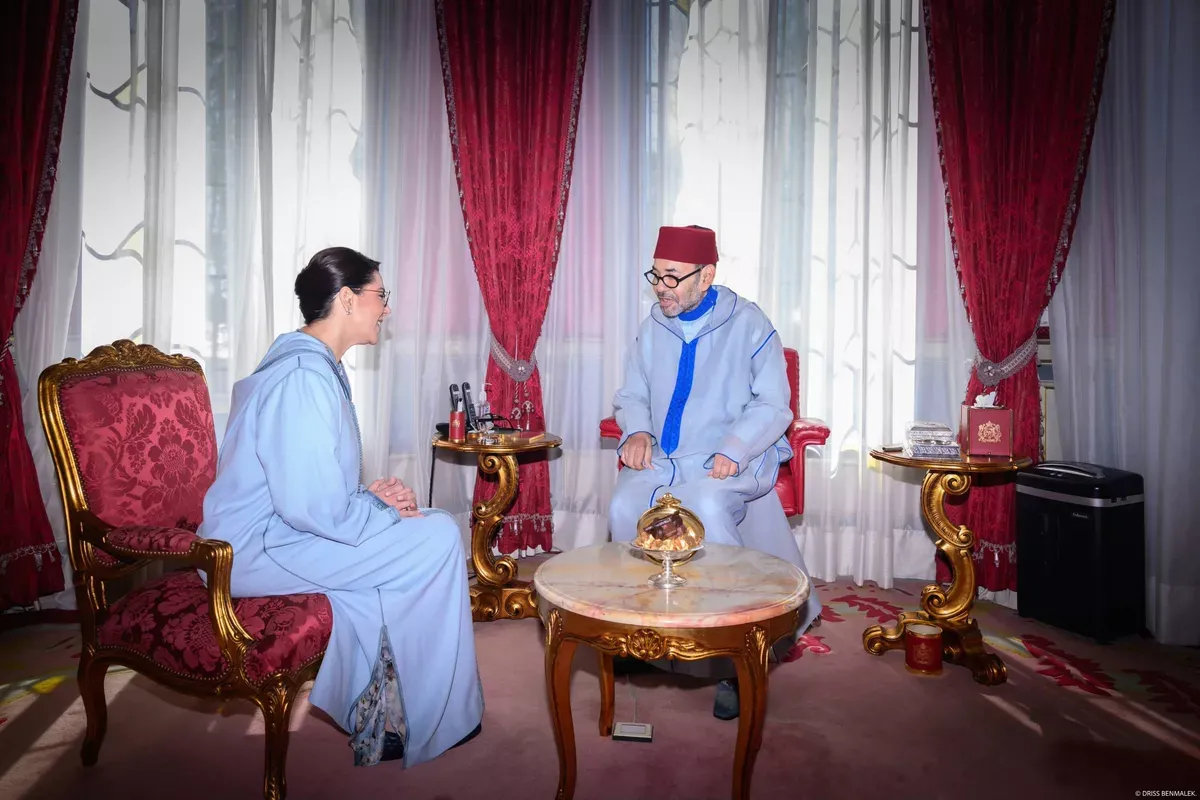
On September 29, 2026, Morocco witnessed a significant milestone in its political history as King Mohammed VI appointed Fatima Ezzahra El Mansouri as the nation's first female Prime Minister. This groundbreaking decision came just days after the legislative elections held on September 23, where El Mansouri's party, the Authenticity and Modernity Party (PAM), emerged victorious, securing 97 out of the 395 seats in the House of Representatives. Despite this success, PAM does not hold an absolute majority and will need to collaborate with other political parties to form a stable coalition government. The king's appointment is in accordance with the 2011 Constitution, which mandates the monarch to choose the head of government from the party that wins the most seats in the elections, thereby significantly restructuring the previous political framework.
Fatima Ezzahra El Mansouri's Journey to Leadership
Fatima Ezzahra El Mansouri, 50, a trained lawyer, has had a distinguished political career, previously serving as the mayor of Marrakech and holding various ministerial roles, including Minister of Land Management, Urban Planning, Housing, and City Policy. Her career began with her involvement in PAM shortly after its inception in 2008, and she quickly advanced through the ranks, being re-elected as mayor in 2021. El Mansouri's proactive approach was particularly evident after the earthquake that struck Marrakech in September 2023, showcasing her commitment to her community. Now, as Prime Minister, she faces the monumental challenge of assembling a government capable of garnering support from Parliament, which may prove difficult given the political landscape, with other parties such as the National Rally of Independents and Istiqlal holding 66 and 65 seats, respectively. Meanwhile, the Justice and Development Party has announced its intent to remain in opposition.
El Mansouri's administration will not only need to navigate coalition negotiations but also address pressing national issues, including economic growth, public services, and the demands of Moroccan youth, particularly in light of the recent elections that saw a voter turnout of only 38%, reflecting widespread discontent among the younger population. Furthermore, her government will be tasked with overseeing infrastructure projects linked to Morocco's preparation for the 2030 FIFA World Cup, which the country will co-host with Spain and Portugal, involving investments worth billions of dollars. The road ahead will undoubtedly be challenging, but El Mansouri's appointment marks a progressive step in Morocco's political landscape, symbolizing a break from tradition and opening doors for future generations of women in leadership.
As reported by gala.fr.