
Spanish King Felipe VI Visits Ceuta Following Migrant Surge
In a significant political gesture, King Felipe VI of Spain has made a historic visit to the North African exclave of Ceuta, marking the first time in nearly two decades that a Spanish monarch has set foot in this territory. Accompanied by Queen Letizia, the royal couple aims to demonstrate their support for the nearly 85,000 residents of Ceuta in the wake of a recent migrant crisis that saw an unprecedented influx of up to 80,000 migrants from Morocco. The King condemned the surge as an "unacceptable violation of Spanish and European borders," highlighting the urgency of the situation.
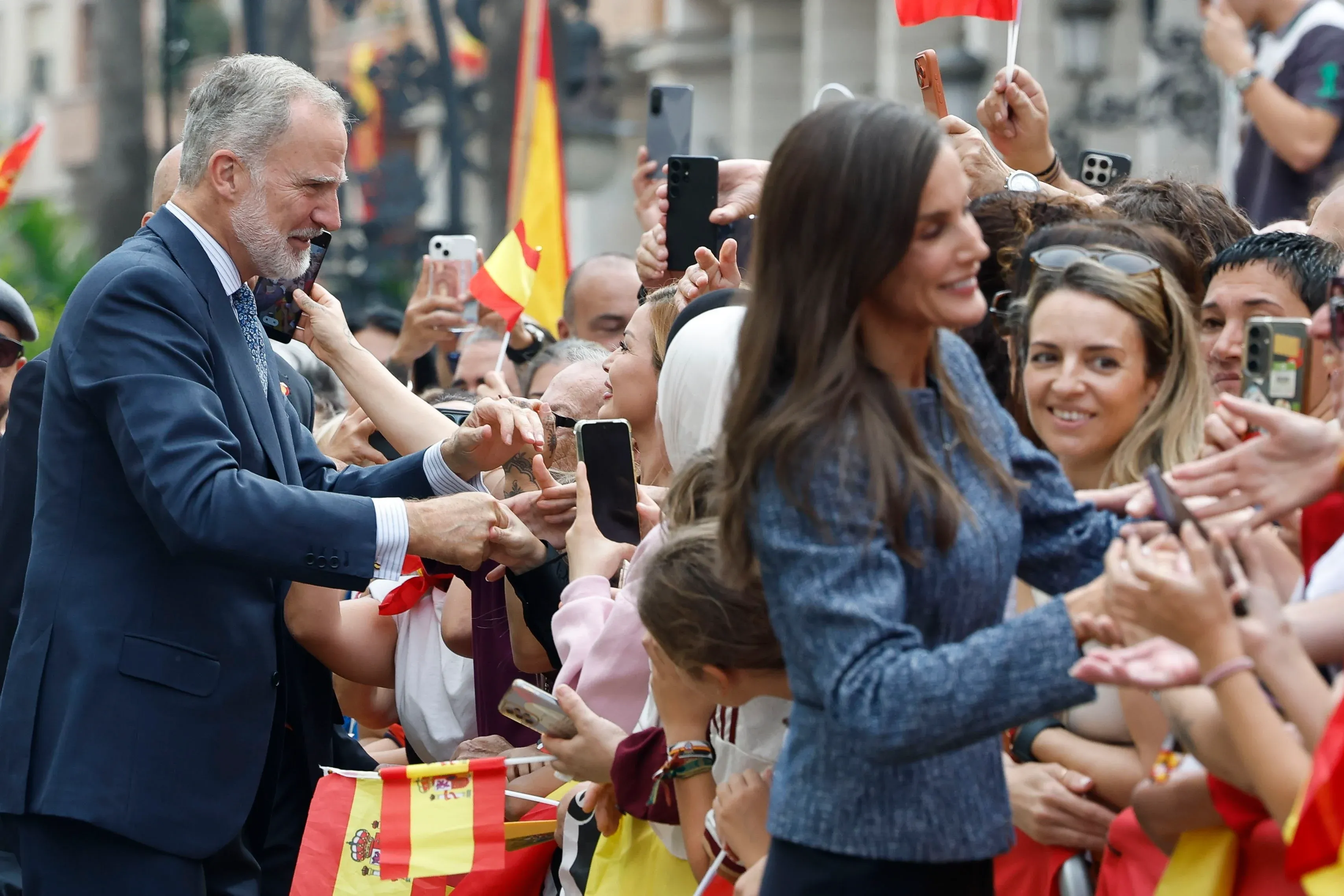
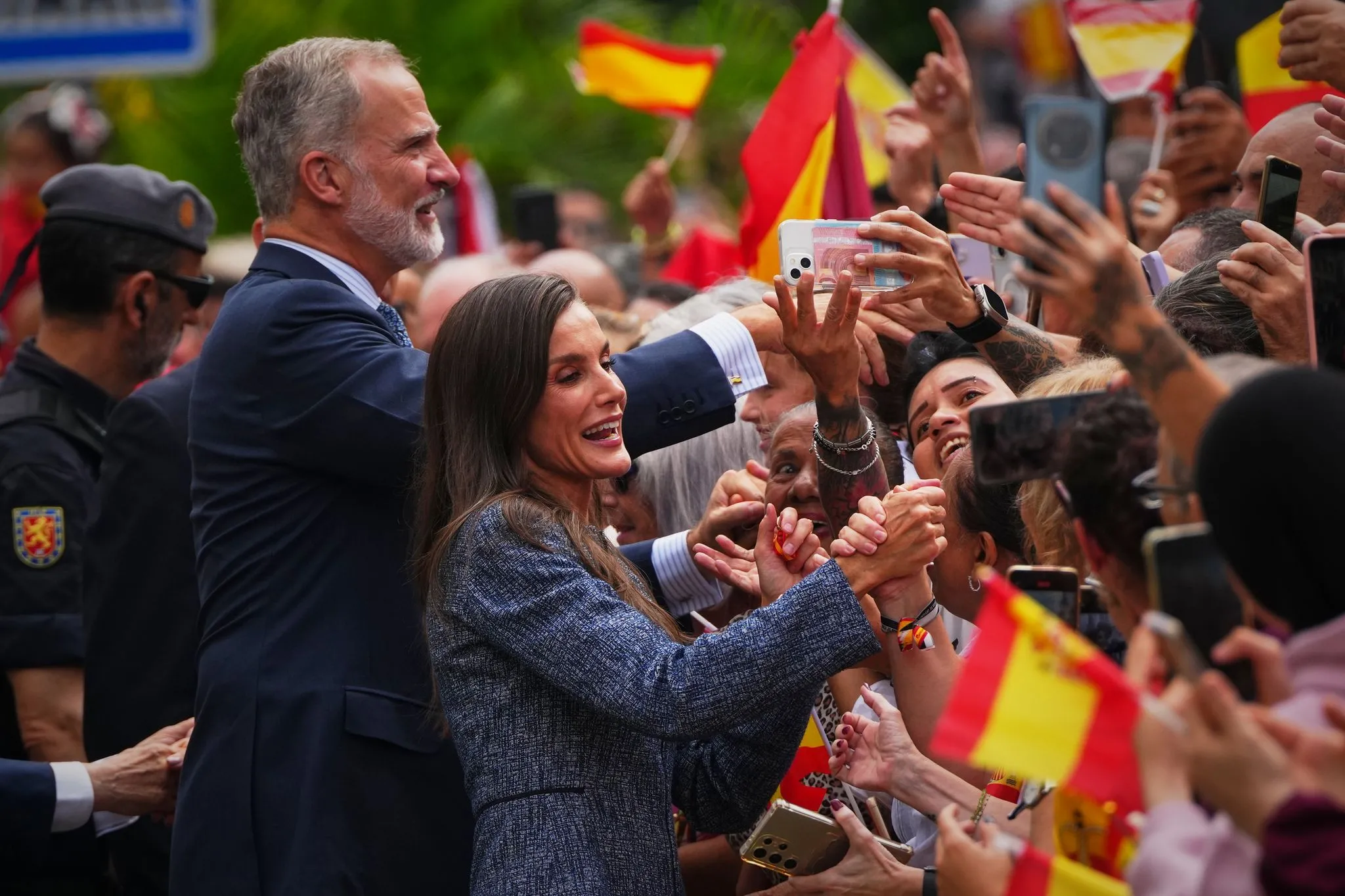
Upon their arrival, thousands of enthusiastic supporters lined the streets, chanting the names of the King and Queen while waving Spanish flags. This overwhelming display of public affection lasted for approximately twenty minutes as the royal couple greeted the crowd. The state broadcaster RTVE described this visit as "historic," emphasizing the significance of the event in relation to Spain's ongoing border challenges.
Significance of the Royal Visit and Current Situation
The last visit by a Spanish head of state to Ceuta and its neighboring enclave, Melilla, dates back to 2007 when King Juan Carlos I and Queen Sofia visited. This time, however, Felipe and Letizia plan to make a notable first by staying overnight in Ceuta, a rare occurrence since the end of the Franco dictatorship in the mid-1970s. Their itinerary also includes a visit to Melilla, further indicating the royal family's commitment to these territories.
In Ceuta, the royal couple intends to participate in various activities, including visiting a local school and holding an interfaith memorial service at a Muslim cemetery for those who lost their lives attempting to reach Ceuta over the sea during the crisis. Reports indicate that over 80 bodies were recovered, with humanitarian organizations suggesting that the actual death toll could be significantly higher.
Fortunately, the situation in Ceuta has markedly improved since the peak of the crisis. With the evacuation of makeshift camps along the beaches, thousands of migrants are currently housed in a temporary reception center within the port area after enduring weeks of difficult living conditions outdoors. Many of these individuals have voluntarily returned to Morocco, as per government reports from Madrid.
The two Spanish enclaves along the North African coast are also claimed by Morocco, and the recent border crisis has further strained the already complex relations between the Spanish government, led by Prime Minister Pedro Sánchez, and Rabat. The royal visit serves to reinforce Spain's claims over Ceuta and Melilla, underscoring the significance of these territories in Spain's national identity and security.
As reported by handelsblatt.com.