
Moroccan Influence in Spanish Political Dynamics
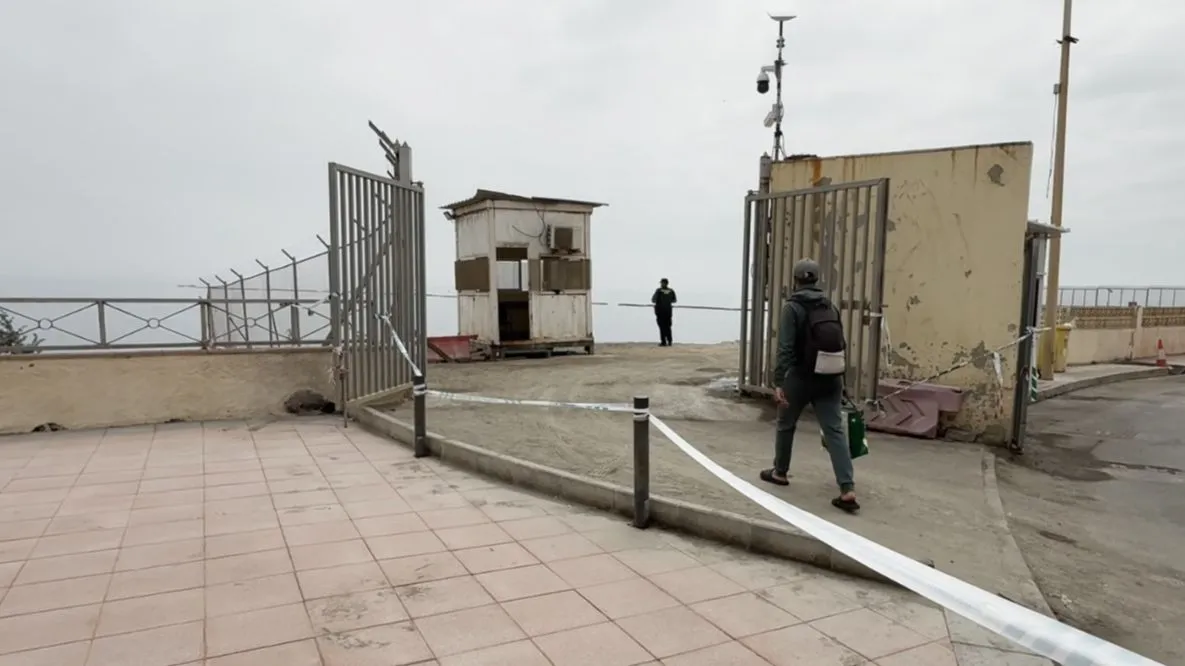
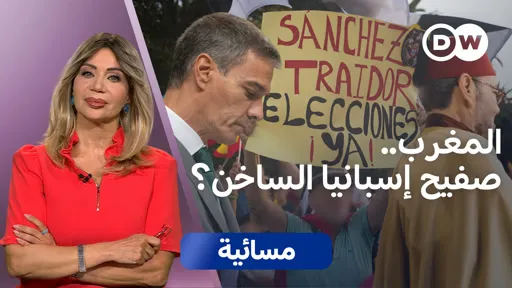
The ongoing crisis surrounding the cities of Ceuta and Melilla has reached a pivotal moment, as highlighted by recent developments in the Spanish Parliament. Prime Minister Pedro Sánchez passionately defended Morocco and the partnership his government has established with the North African nation, amidst rising tensions and political opposition within Spain. Sánchez's remarks included a firm assertion of Spain's sovereignty over the disputed enclaves of Ceuta and Melilla, emphasizing the importance of maintaining a strong relationship with Morocco while addressing concerns from his political adversaries. In a significant diplomatic move, he disclosed the summoning of the Moroccan ambassador to Madrid, indicating the seriousness of the ongoing disputes.
This situation showcases the intricate web of political relationships that exist between Spain and Morocco, where historical grievances and contemporary geopolitical interests collide. The crisis is not merely a matter of territorial claims; it reflects deeper issues related to immigration, security, and bilateral cooperation in an increasingly complex global landscape. The engagement of various stakeholders, including academic experts and political analysts, underscores the importance of analyzing these developments from multiple perspectives, particularly given the implications for regional stability.
Expert Insights and Implications for Future Relations
In a recent panel discussion, experts from Madrid, Rabat, and Brussels provided insights into the evolving dynamics of Spanish-Moroccan relations. Professor Ignacio Guiterrez de Tiran from the Autonomous University of Madrid highlighted the historical context of these territorial disputes, while political analyst Younes Miskin from Rabat emphasized the domestic ramifications of Spain's stance on sovereignty. Hala Al-Sahli, an EU affairs expert based in Brussels, pointed out that the EU's role in mediating these tensions could be pivotal, especially as both countries navigate the delicate balance of power and influence in the Mediterranean region.
The interplay of political rhetoric and diplomatic maneuvers illustrates how Morocco's position is not only shaping its bilateral relations with Spain but also influencing broader European policies concerning North Africa. As these discussions unfold, they serve as a reminder of the complexities inherent in international relations, particularly in regions with historical conflicts and intertwined interests. The outcomes of this crisis will likely have lasting effects on both nations' future engagements and the stability of the region as a whole.
As reported by dw.com.