
Current State of Moroccan Tourism Amid Ceuta Crisis
The recent mass crossing incidents towards the occupied city of Ceuta, despite their severity and widespread coverage in international media, have not resulted in an immediate shock to Moroccan tourism. Data indicates that both air and sea travel to Morocco continues unabated, with no comprehensive international travel warnings issued against visiting the country. However, localized disruptions have affected certain tourism and service activities in northern cities, particularly in Fnideq, M'diq, Martil, and Tetouan.
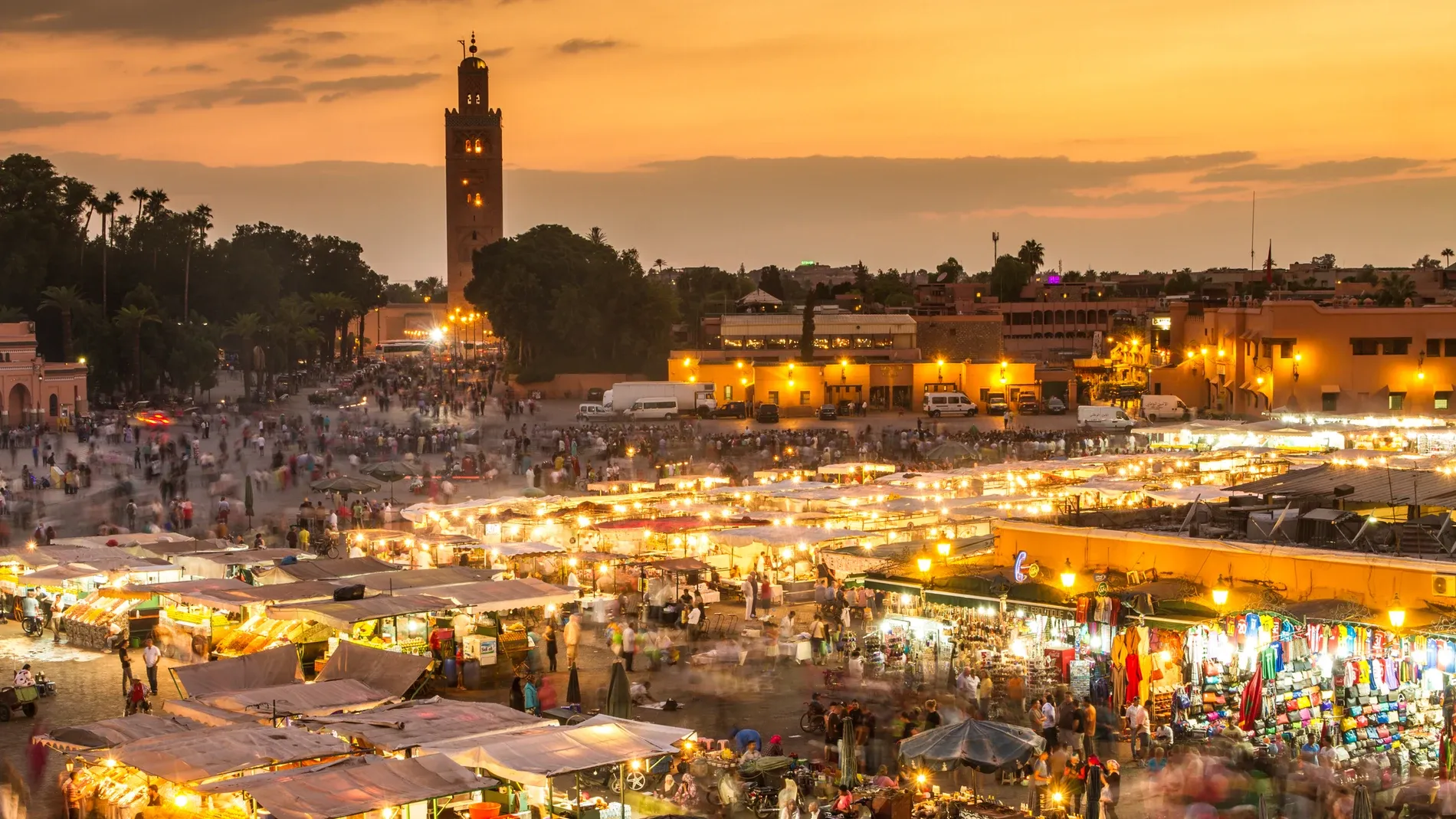
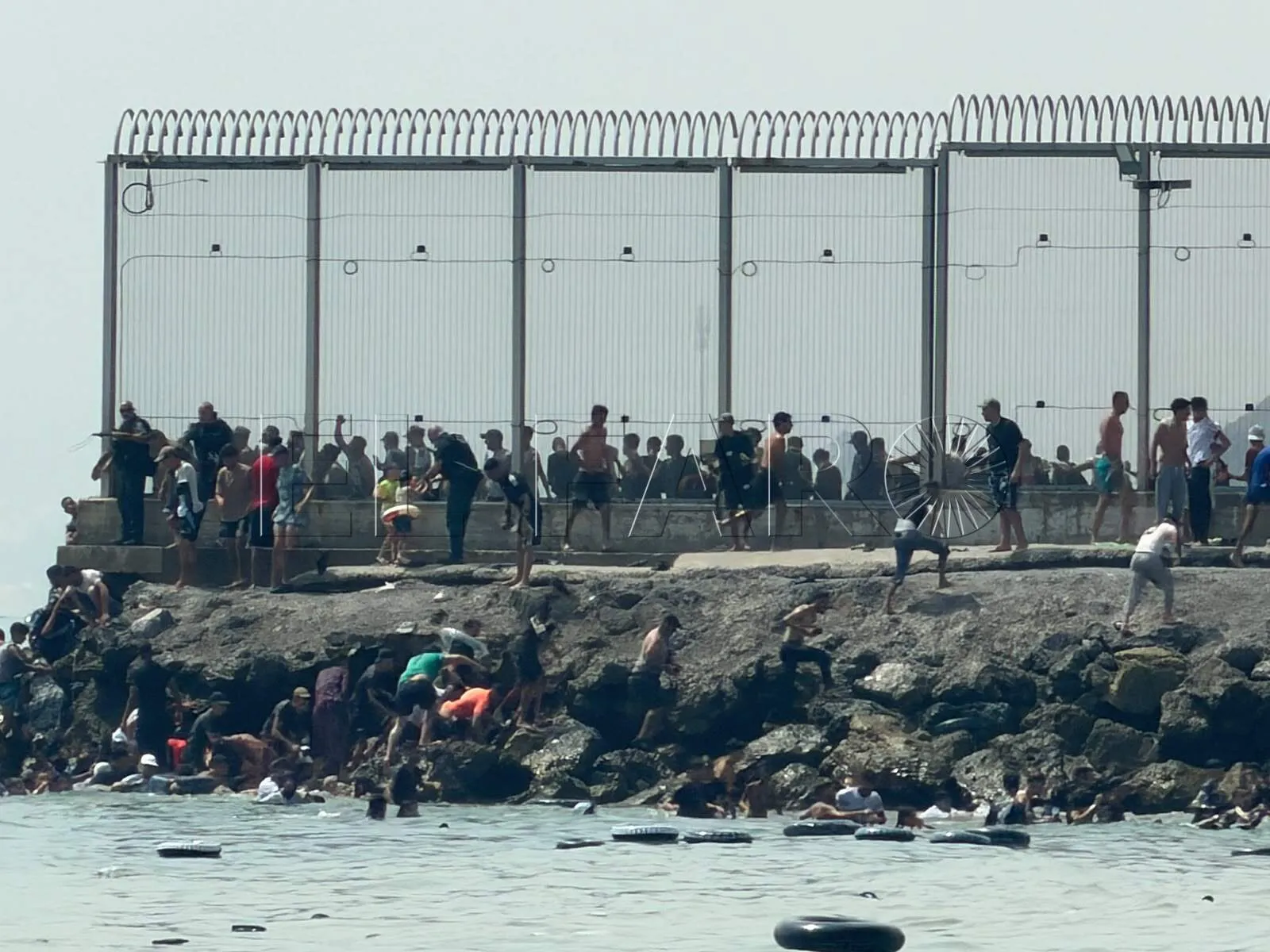
A thorough analysis of travel data and travel advisories from key tourist markets, complemented by testimonials from professionals and local reports, reveals that the economic repercussions of the crisis remain geographically confined. Major tourist destinations such as Marrakech, Agadir, Casablanca, Fes, and Essaouira have not experienced any adverse effects. The incidents coincided with the peak of the summer season, as tens of thousands of individuals flocked to the border on July 30 and 31. This surge resulted in a temporary closure of the crossing, leading to traffic congestion in Fnideq and heightened security measures, including the closure of several businesses. Fortunately, conditions began to stabilize as most individuals who had entered Ceuta returned to Moroccan soil, with Spanish authorities reporting that over 48,000 people had returned within 48 hours. By the night of August 1, attempts to cross had virtually ceased.
Air and Sea Transport Stability Amid Localized Disruption
In terms of air travel, no direct disturbances related to the events in Ceuta have been recorded. The British newspaper The Independent reported, based on flight tracking data, that operations from and to airports in Rabat, Casablanca, and Marrakech have largely continued as per their usual schedules, without mass cancellations or alterations in flight paths due to the crisis. The situation in Moroccan airspace and operations at major airports have remained unaffected. Furthermore, major maritime lines connecting Spanish ports with Morocco have also maintained their schedules, with Balearia offering up to 12 daily trips between Algeciras and Tangier Med, as well as a similar number between Tarifa and Tangier City. This indicates that the disruptions have primarily been restricted to the land crossing at Ceuta and some related journeys, without impacting the main routes relied upon by tourists and Moroccan expatriates entering the country.
One of the most significant indicators that mitigate the potential for widespread national damage is the lack of changes in travel advisories from most European countries concerning Morocco. The British Foreign Office maintained its travel page for Morocco on August 3 without adding any warnings related to the Ceuta events. Similarly, the French Foreign Ministry did not issue any new advisories on Morocco due to the crisis, and Swiss recommendations continue to regard travel to Morocco as safe in principle.
Conversely, the United States raised its travel warning for Ceuta alone to Level 3, urging citizens to reconsider travel there due to security concerns, but this advisory does not encompass Morocco or its tourist cities. The American warning clearly specifies that the area of concern is Ceuta, administered by Spain, rather than the entire Moroccan destination.
However, the absence of national damage does not imply that the sector remains entirely unaffected. The most evident repercussions have emerged within restaurants, cafes, bakeries, and retail establishments in cities like Tangier, Tetouan, M'diq, Fnideq, and Martil, as several workers abruptly left their jobs to participate in crossing attempts. Local reports included accounts from a restaurant owner in Tangier, who noted that four of his employees left without notice for Ceuta, forcing him to temporarily close the establishment. Other businesses reported shortages in staff across cooking, service, and reception roles, during a time typically characterized by high demand due to summer influx, although many workers returned to their posts, allowing for a gradual resumption of activities.
It is challenging to attribute any decline in activity in some northern coastal areas solely to the events in Ceuta, as the season had already been experiencing marked fluctuations in hotel occupancy rates, with weekends seeing higher bookings compared to other days. Industry reports had linked this discrepancy to rising hotel and accommodation prices, with rates for some rooms reaching between 2,400 and 5,000 dirhams per night, prompting some Moroccan families to shift their travel plans to Spain prior to the outbreak of events in Ceuta.
The crisis arose at a time when the Moroccan tourism sector was reporting strong indicators, having welcomed approximately 9.4 million visitors during the first half of 2026, marking a year-on-year increase of 6 percent. Meanwhile, travel revenues surged to 64.89 billion dirhams, compared to about 56 billion dirhams during the same period in 2025, reflecting a growth of 15.9 percent, according to the Exchange Office.
Nevertheless, these figures only account for data until the end of June, prior to the Ceuta events, making it impossible to utilize them for assessing the direct impact of the crisis. Additionally, the latest reports published by the National Tourism Observatory pertain to arrivals in June, meaning that accurate numerical judgments regarding bookings and overnight stays during the crisis will not be feasible until July and August data are released.
Based on current indicators, the incidents in Ceuta have inflicted localized and temporary damage to tourism and commercial services in northern cities, but they have not escalated into a national crisis for Moroccan tourism. The 'greatest risk' remains related to the perception of the destination abroad, especially following the dissemination of international reports questioning whether travel to Morocco remains safe.
As reported by al3omk.com.