
The Role of Social Media in Recent Migration Trends
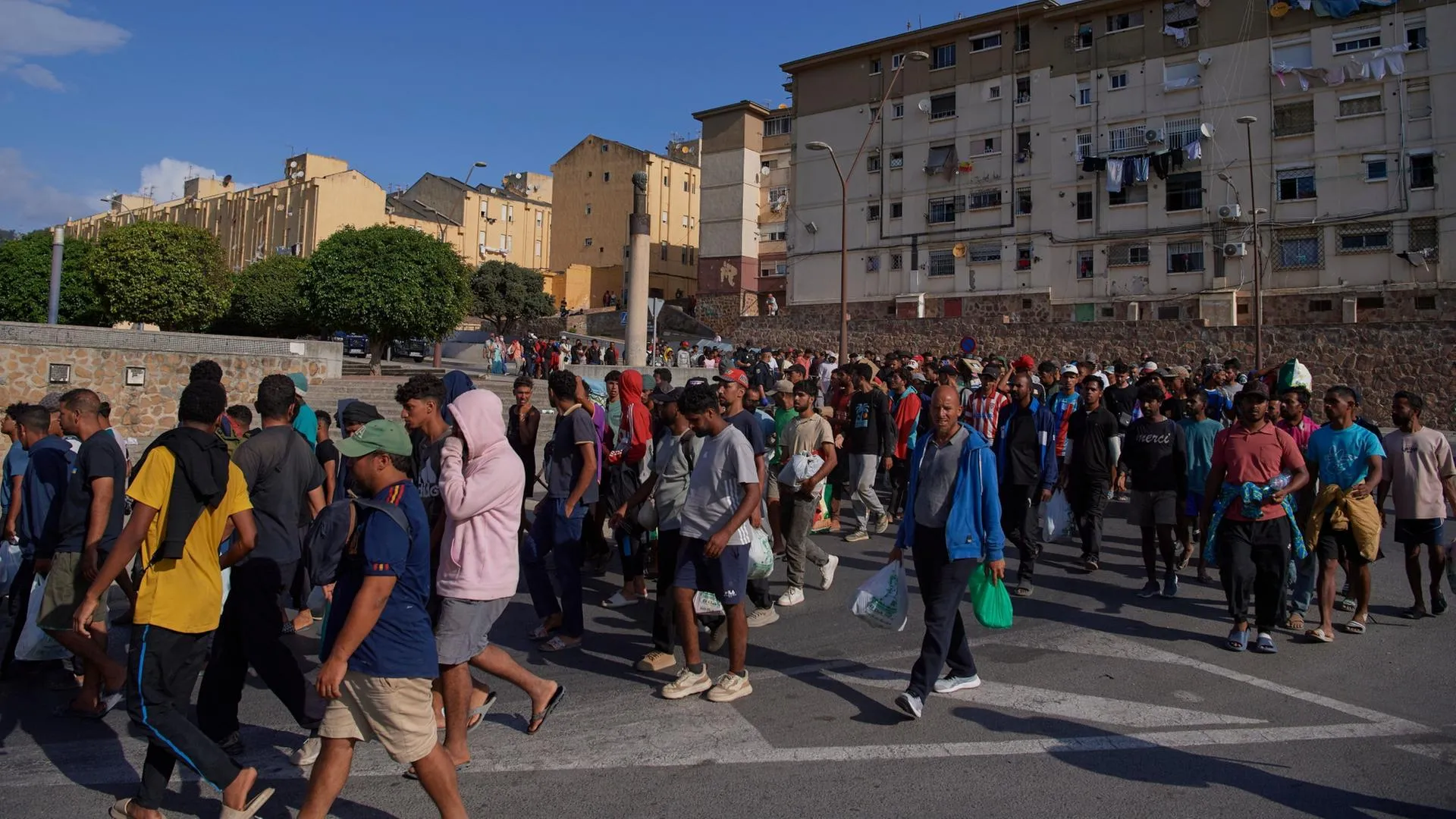
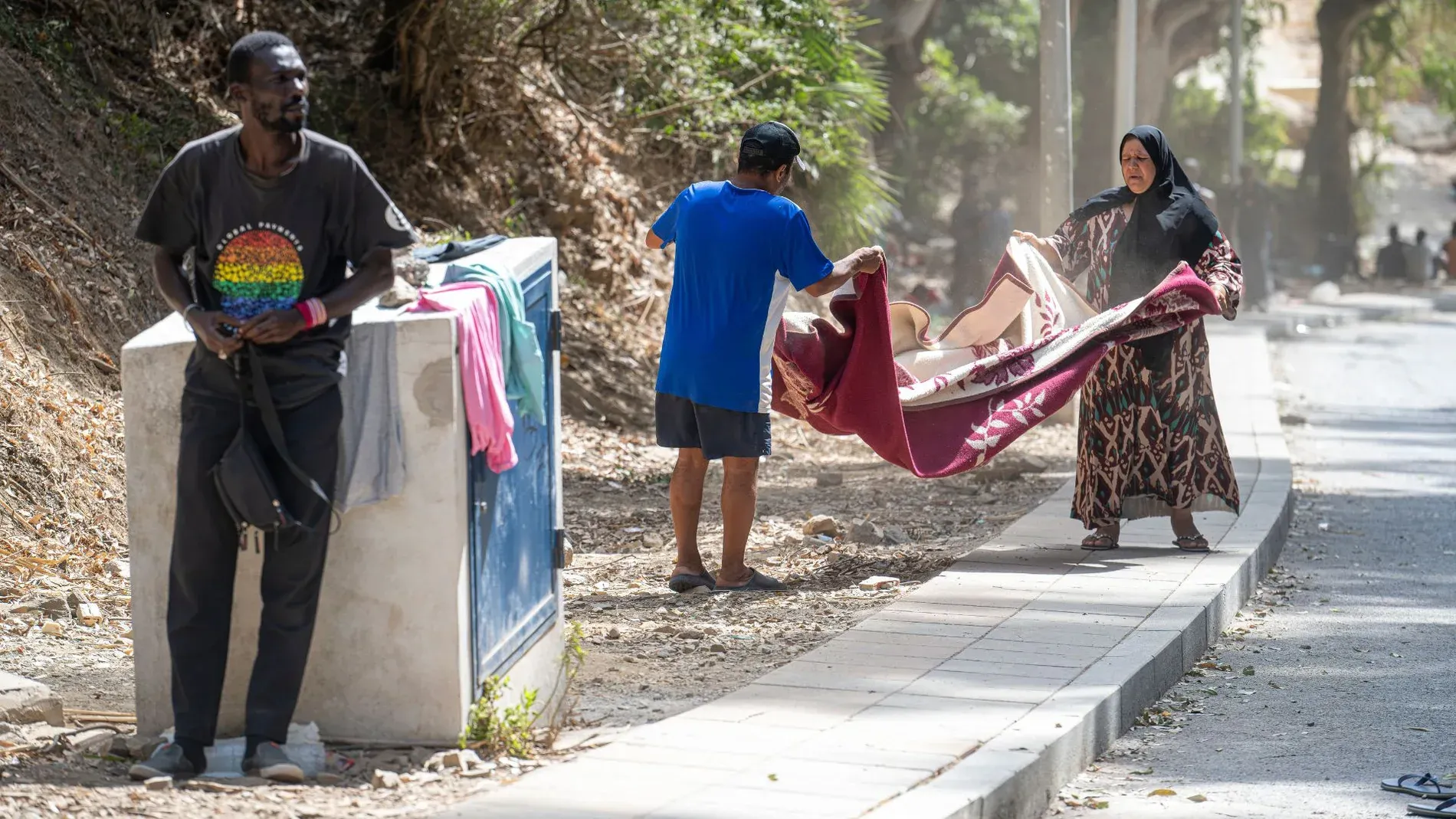
The Moroccan Organization for Human Rights has raised concerns regarding the role of social media in the recent surge of illegal crossings into Ceuta. They argue that the widespread dissemination of digital content, particularly through social media accounts that encourage illegal border crossings, significantly influences the behavior of potential migrants. This situation is exacerbated by the proliferation of misinformation regarding the opportunities for legal status regularization upon arrival in Spain. Such misleading narratives have created an environment that encourages desperate individuals, particularly among the youth, to seek opportunities in Europe, despite the risks involved.
Socio-Economic Factors Driving Migration
Multiple factors contribute to this trend, including economic hardships, psychological pressures, and cultural expectations that affect Moroccan youth. The lack of job opportunities and the desire for a better life push many to take drastic measures, including illegal migration. The interplay of these socio-economic and psychological factors fosters a climate where young individuals feel compelled to embark on perilous journeys across borders. The Moroccan Organization for Human Rights emphasizes that addressing these underlying issues is crucial in mitigating the ongoing migration crisis. Without a comprehensive approach to tackle the root causes, including improving local economic conditions and providing accurate information about migration, the cycle of migration and its associated risks is likely to continue.
As reported by larazon.es.