
The Future of Moroccan Tomato Exports Under New EU Rules
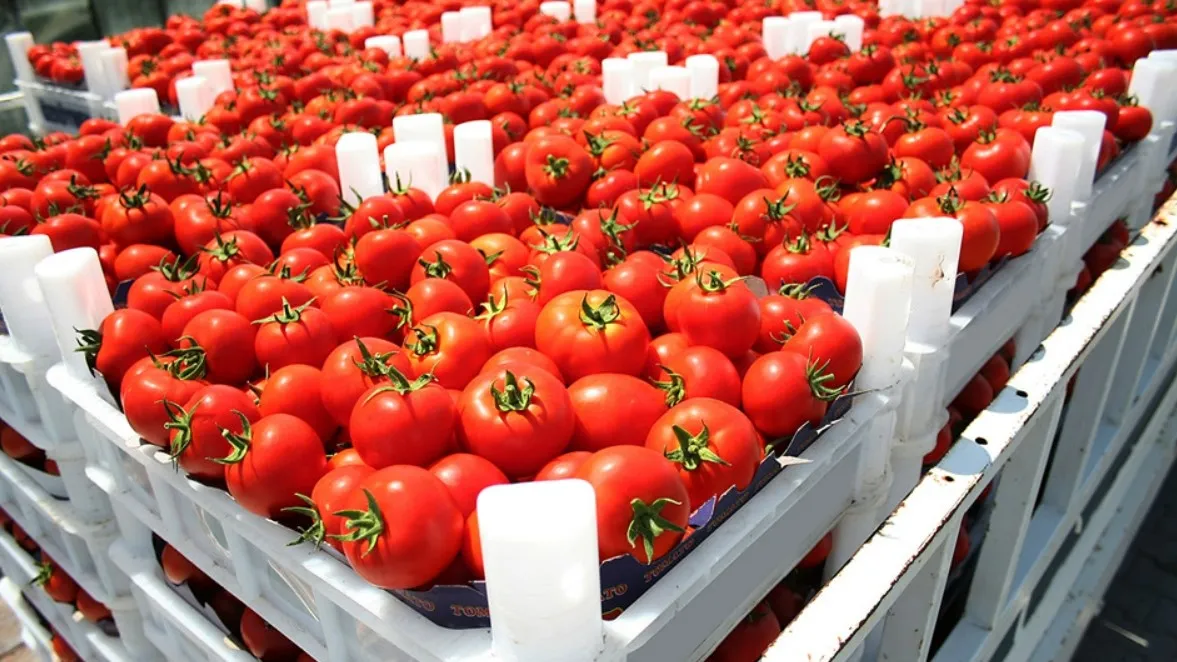
Recent analyses from the Joint Research Centre (JRC) indicate that Moroccan tomato exports may face a significant decline, projected between 7,000 to 195,000 tonnes, due to the European Union's tightening of regulations concerning hazardous pesticide residues. The new rules are set to reshape agricultural trade dynamics with key supplier nations, including Morocco, which currently accounts for over 70% of the EU's imported tomatoes.
The JRC's findings reveal that inspections have detected residues of eight active substances targeted in their study, with only two of these substances being authorized for use in Morocco. However, it is crucial to note that the presence of these residues does not imply that all Moroccan tomatoes are treated with such substances. The data collected has been utilized to develop various impact scenarios, reflecting potential changes in trade flows.
Adapting to Challenges: The Resilience of Moroccan Producers
In the intermediate scenario outlined by the JRC, Moroccan tomato exports to the EU could plummet by approximately 195,000 tonnes, marking a dramatic 60% decrease. Despite this potential drop, the overall production levels in Morocco are expected to remain stable, primarily due to a geographical shift in export destinations, such as a pivot towards the UK market, instead of a general decline in agricultural activity. However, this transition may lead to domestic market pressures, resulting in lower prices for local producers.
Conversely, should Moroccan producers successfully adapt to the new European standards, the adverse impact on exports would be considerably mitigated, with declines limited to just 7,000 tonnes, or a mere 2.2%. This scenario underscores the critical importance of adaptability among farmers, who may need to explore alternative practices and manage associated costs to maintain their competitive edge in the European market while avoiding a retreat to less lucrative markets.
The JRC emphasizes that no scenario is deemed definitive; the aim is to assess the sensitivity of trade flows based on the level of adjustment made by producers. The study highlights that commercial effects are primarily influenced by the actual extent of pesticide usage, the cost of alternatives, and the speed at which producers can adapt to these regulatory changes. Furthermore, the publication of these findings does not alter current import conditions, and any future measures will depend on subsequent impact assessments and legislative decisions.
Morocco is not alone in facing these regulatory shifts; the JRC has identified 30 other third countries, including Turkey, Colombia, Brazil, and Ukraine, that are likewise affected to varying degrees.
In terms of economic value, Moroccan exports to the EU for products deemed potentially vulnerable amount to approximately $2.8 billion, compared to $5.1 billion for Turkey and $2.3 billion for Colombia. These figures do not signify direct financial losses but represent the total trade volume subject to further scrutiny, as many countries have the potential to redirect part of their commerce.
It is important to clarify that the study does not assert that these countries will lose access to the EU market or that all exported products utilize the targeted pesticides. The assessment is constructed based on detected residues and information regarding the authorization of substances, in the absence of comprehensive data on actual usage at the farm level.
As a reminder, the JRC study evaluates 18 of the most hazardous active substances not approved in the EU, for which residue limits exceed quantification thresholds and evidence of their use or detection in products from third countries is available. These substances are linked in the study's database to 235 agricultural products across 86 exporting countries.
As reported by lopinion.ma.