
Heightened Security Measures in Mallorca
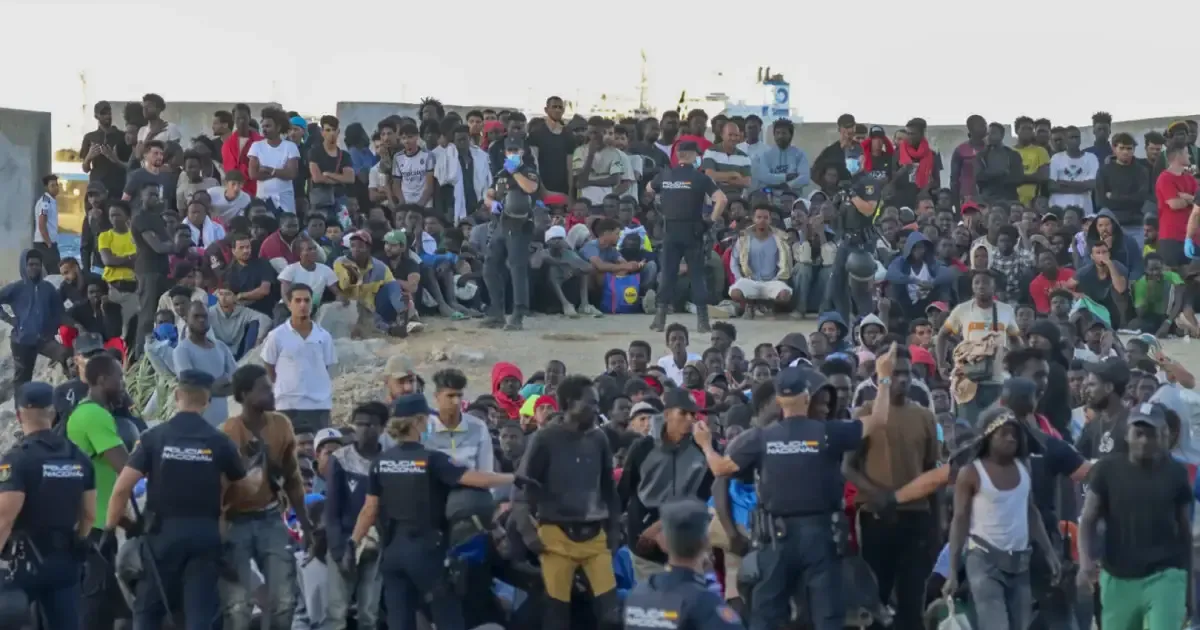
The island of Mallorca is once again under the scrutiny of intelligence services, particularly in light of the recent migration crisis experienced in Ceuta and the significant influx of boats arriving from Algeria. This situation has prompted the National Intelligence Center (CNI), the National Police, and the Civil Guard to bolster their surveillance operations across the island. While these two migration phenomena have occurred almost simultaneously, investigators note that their origins differ significantly, with Morocco being the source of the crisis in Ceuta and Algeria contributing to the boats reaching the Balearic Islands. Security Services estimate that Rabat may have around ten 'informants' operating within Mallorca.
Monitoring Communities and Political Activities
The increase in surveillance is not solely aimed at controlling migration routes. Security Groups have also intensified their monitoring of Maghreb communities established in Mallorca and the potential influence networks connected to the intelligence services of both Morocco and Algeria. According to police sources consulted by ultimahora.es, Spanish authorities estimate that there are nearly a dozen informants linked to Morocco in Mallorca, alongside a slightly lower number associated with Algerian intelligence services. These individuals may not necessarily operate as traditional spies; rather, they gather information, maintain contacts, and relay data about their compatriots living on the island back to their respective governments.
Rabat and Algiers have multiple interests in these communities. One significant concern is economic; immigrants send considerable remittances to their home countries, and this financial flow is monitored closely. Additionally, security services are particularly apprehensive about the political activities within these communities. Informants aim to ascertain the stances of their compatriots regarding their governments and to identify any opposition groups or dissenting factions that may organize within Spanish territory. The activities of these informants extend beyond Palma, with heightened vigilance noted in municipalities such as Sa Pobla, Inca, Felanitx, and Muro, all of which host substantial Maghreb populations.
Investigators engage in discreet tracking of these networks, prioritizing the identification of individuals who are in contact with foreign services, the nature of the information being gathered, and the extent of these relationships. In this context, mosques and Muslim worship centers also come into play, with approximately fifty such establishments existing in the Balearics. The National Police and Civil Guard maintain ongoing surveillance of these sites through their respective Information Groups. Officially, the goal is not to target a religion or its adherents but to detect potential radicalization processes. Police sources emphasize the importance of preventing the indoctrination of attendees with jihadist rhetoric.
Investigators pay close attention to the speeches delivered, influential individuals within these communities, and any connections to known persons or networks already identified by security services. Notably, intelligence agencies in Spain have recognized that the two primary Maghreb communities do not present a unified front. In fact, Moroccans and Algerians often find themselves in conflict, with minimal collaboration between the two groups. This rivalry, rooted in territorial and geopolitical disputes between Rabat and Algiers, also manifests within Mallorca.