
Morocco's Surveillance State: A Deep Dive into Unlawful Practices
Amnesty International has released a groundbreaking report detailing the extensive surveillance operations conducted by Moroccan authorities aimed at stifling dissent among journalists, activists, and human rights defenders. This comprehensive analysis, titled "We start with the verdict: Inside Morocco’s surveillance machine", unveils a disturbing reality where both digital and analog tools are employed to monitor, intimidate, and silence critical voices. The report highlights the use of unlawful surveillance methods that violate fundamental rights, including privacy, freedom of expression, and the right to peaceful assembly.
Agnès Callamard, Secretary General of Amnesty International, emphasized that Morocco has adopted a techno-authoritarian approach, utilizing a myriad of surveillance technologies to create a repressive system designed to instill fear among those who dare to speak out. Despite persistent denials from Moroccan officials regarding the use of spyware, the report presents compelling evidence from whistleblower testimonies and leaked data that contradict these claims. It identifies a network of international vendors supplying the tools necessary for this extensive surveillance, exposing a global economy of repression.
The Whistleblower's Account: An Inside Look at the Surveillance Mechanism
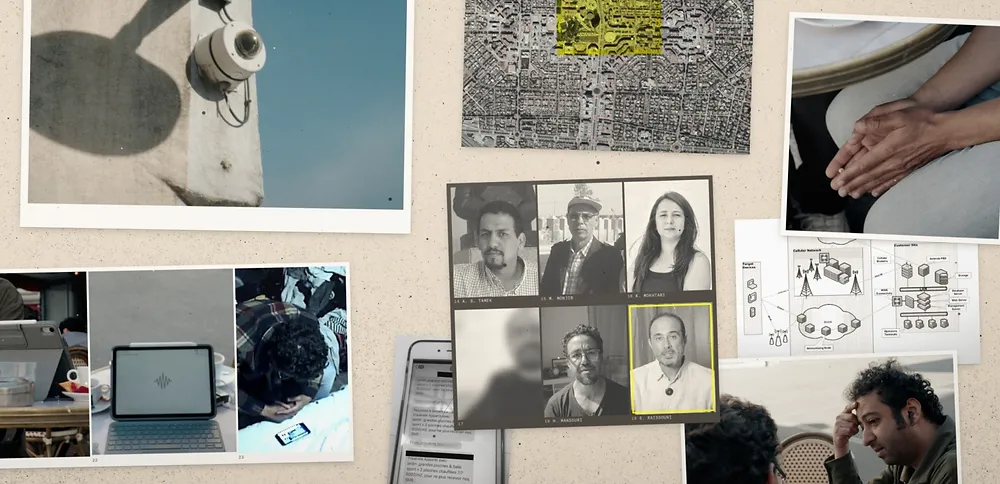
At the heart of this report is the testimony of a whistleblower, known by the pseudonym Safir, a former employee of the Direction Générale de la Surveillance du Territoire (DGST). Through a series of interviews, Safir divulged the intricate workings of the DGST and the various techniques used to compromise the privacy of targeted individuals. These methods include the use of spyware, audio bugging systems, and physical infiltration of personal devices, effectively creating an environment where dissenters face constant monitoring and harassment.
Amnesty International corroborated Safir's claims with forensic evidence and testimonies from surveillance targets, shedding light on the pervasive nature of state-sponsored surveillance in Morocco. The report reveals that surveillance operations are not limited to digital monitoring; they extend to covert filming, interception of communications, and even the recruitment of informants from among the friends and family of activists. This aggressive approach not only aims to silence individuals but also creates a chilling effect that stifles free expression within society.
As the investigation continues, it becomes evident that the tools and tactics employed by the Moroccan authorities serve a singular purpose: to undermine the credibility and safety of those who advocate for human rights. The implications of such a surveillance state are profound, as they perpetuate a culture of fear and self-censorship among citizens. Human rights defenders, journalists, and activists in Morocco are caught in a web of surveillance that extends beyond their national borders, creating an atmosphere where privacy is a luxury few can afford.
As reported by genocidewatch.com.