

Embracing Diversity in the Workplace
In the quest for skilled labor, many companies are looking beyond their borders to fill critical positions. However, the integration of new colleagues from abroad is often accompanied by a mix of support, questions, and apprehensions. A notable example of successful integration can be found at a supermarket in Münster, where the local Chamber of Commerce has played a pivotal role in facilitating the process.
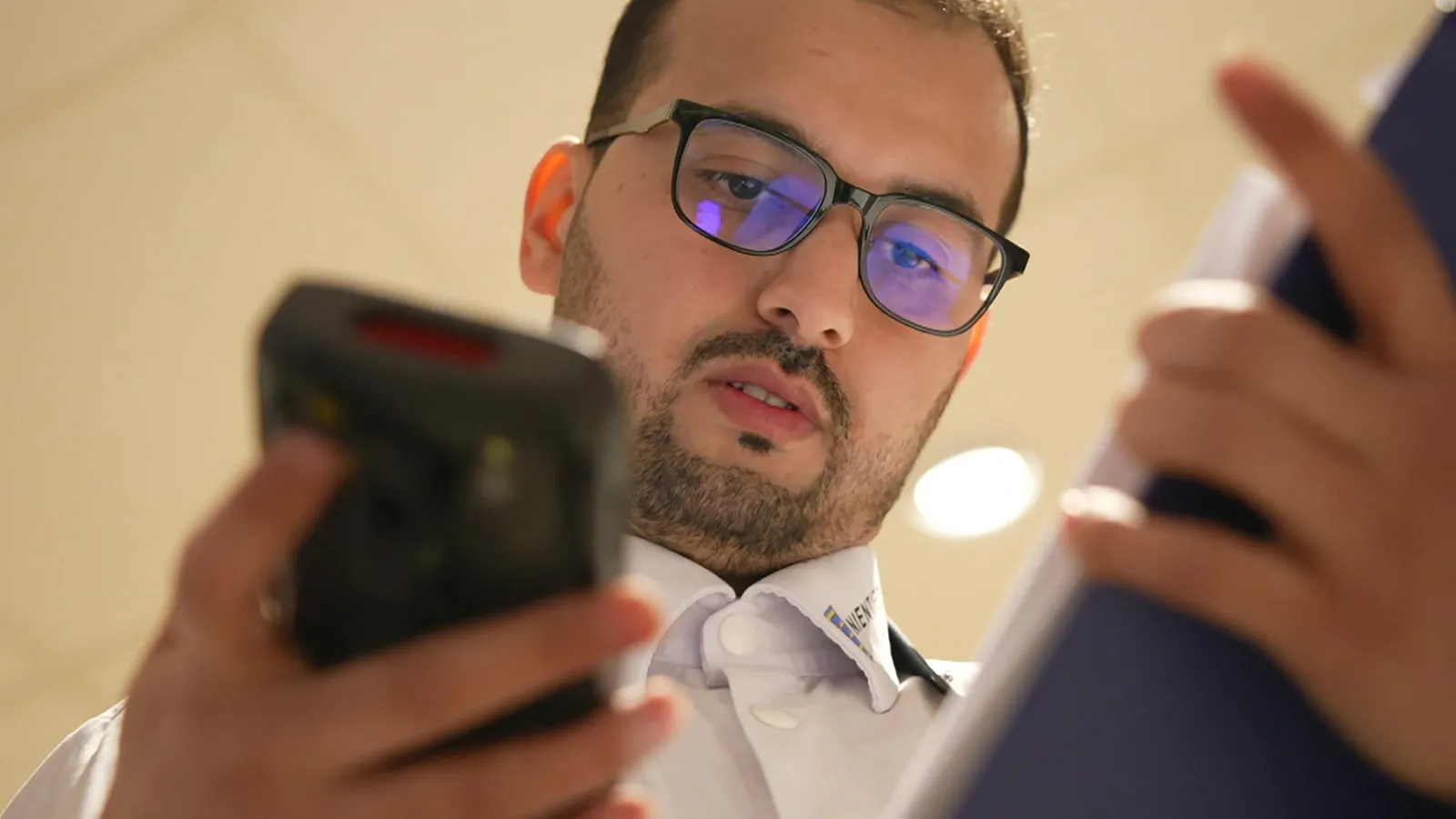
Three years ago, Mohammed Memat, a 32-year-old from Morocco, embarked on a new journey by moving to Münster to pursue a career in retail. He began his training as a retail salesperson at a local supermarket and quickly adapted to his new environment. "I have better career opportunities in Germany, and I have very kind colleagues here," Memat shares, noting that he had already learned German prior to his arrival. With a high school diploma and work experience from Morocco, including a job in a supermarket, he was well-prepared to make this transition.
Nadine Timmermeyer, the HR manager of the Edeka family business, has noticed a significant increase in applications from North Africa. Each year, the supermarket receives hundreds of applications from countries such as Morocco, Tunisia, and Egypt. Timmermeyer recalls the initial days when the first employees from North Africa joined their six supermarket locations in Münster. The existing staff had some reservations, which were openly discussed, leading to a collaborative environment where the 20 new immigrants have now become valued and integral members of the team.
Support Systems for New Employees
The integration of immigrants into the workforce is further supported by the Industrial and Commercial Chamber of Northwestphalia in Münster. They employ "welcome guides" who provide practical recommendations to both employers and new employees. Many of these newcomers arrive with only a suitcase and require immediate assistance, such as finding furnished housing. Edeka has taken the initiative to organize shared accommodations for their new North African colleagues, facilitating their social integration.
Furthermore, the Chamber emphasizes the importance of informing immigrants about the various advisory services available to them in Germany. It is crucial for employers to ensure that newcomers understand the need for an official residence permit, as a mere visa is insufficient for long-term stay and employment.
Mohammed Memat expresses gratitude for the support he has received from his employer, stating that he can envision a bright future in Germany. The initial hesitations of his Edeka colleagues have long been overcome. Although Memat occasionally struggles with German grammar, he has successfully become a part of the supermarket team, demonstrating that with the right support and open-mindedness, integration can lead to mutual benefits for both employees and employers.
As reported by www1.wdr.de.

