Intensified Iranian Activity at a Suspected Nuclear Site
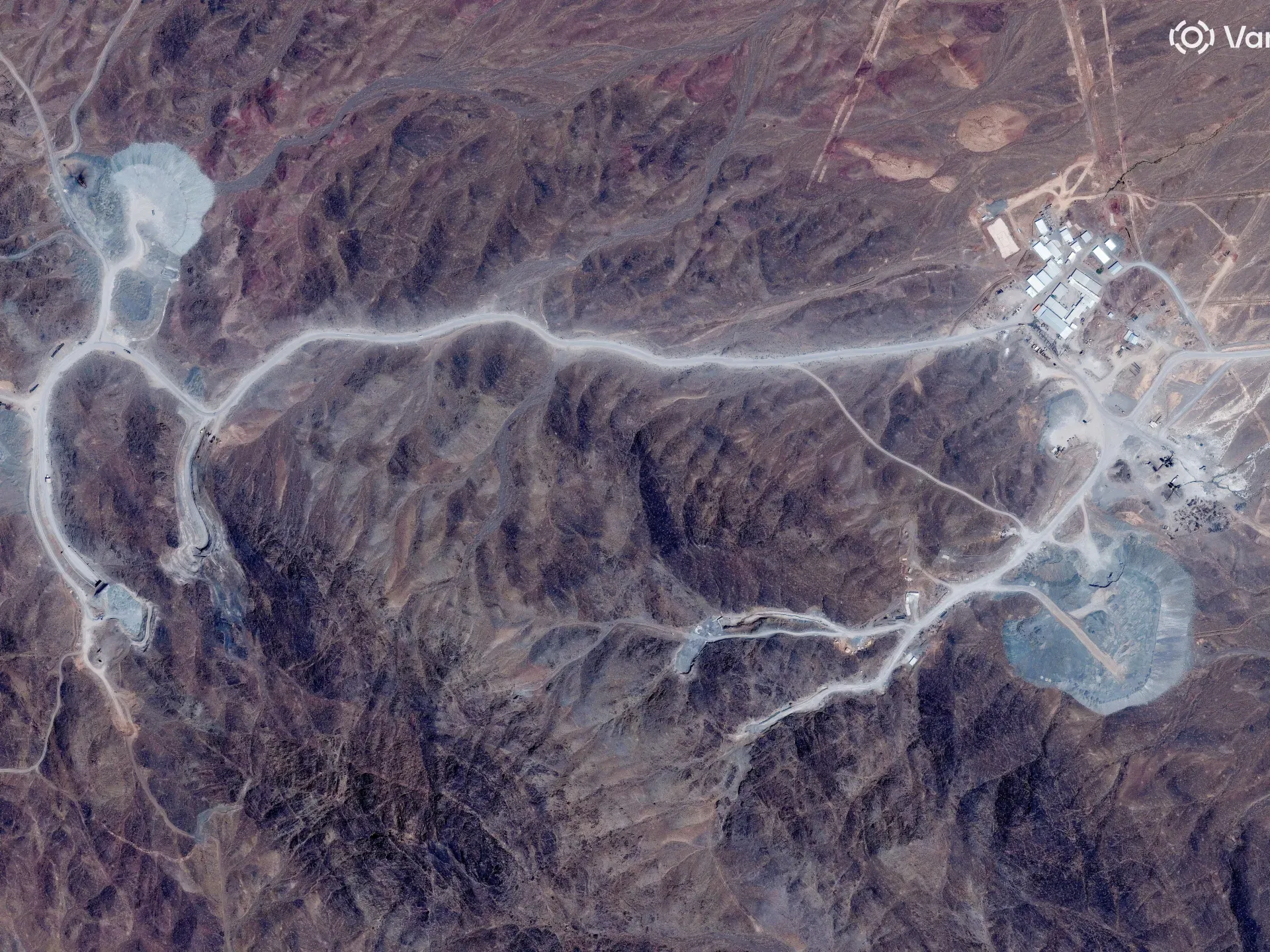
Recent satellite imagery has revealed a significant uptick in activity at what is believed to be an underground nuclear site located in the Mount Fars region of Iran. This development has raised serious concerns regarding the potential use of this site to safeguard Iran's nuclear program. As reported by CNN, the United States is currently facing considerable challenges in neutralizing these deeply buried Iranian nuclear facilities, prompting a Pentagon agency to sign a contract aimed at enhancing a unique underground testing facility in New Mexico to evaluate new capabilities against such threats.
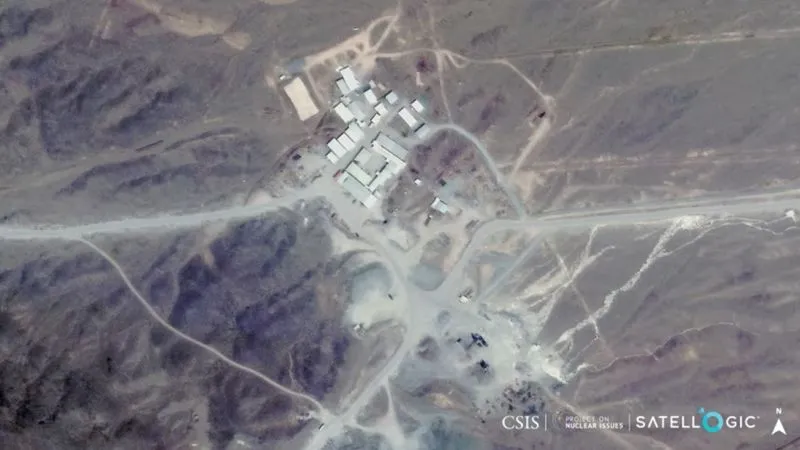
The Iranian site, thought to be shielded by granite rock, has undergone extensive construction this year, according to a six-year analysis of satellite images. Positioned approximately 140 miles south of Tehran, near the Natanz nuclear complex, Mount Fars is viewed by Washington as a potential stronghold for Iran's future nuclear endeavors. An analysis by the Center for Strategic and International Studies (CSIS) suggests that the facility serves one of three purposes related to Iran's nuclear ambitions. This analysis noted that construction at the site has progressed from active excavation to what appears to be ongoing internal construction and external fortifications.
Moreover, the imagery indicates unprecedented increases in road traffic around the site, including enhancements such as the raising and fortification of tunnel entrances, paving of internal road networks, and reinforcement of surrounding areas. This construction suggests a strategic effort to bolster the security and functionality of the site, indicating a serious commitment to advancing Iran's nuclear capabilities.
Washington's Preparations for Potential Strikes
In light of these developments, CNN reported that Mount Fars presents a formidable challenge even for the most advanced non-nuclear bombs currently available to the Pentagon. The site is not the only Iranian nuclear facility believed to be impervious to existing military capabilities, leading U.S. officials to seek innovative solutions. In a preemptive move, a program director from a lesser-known Pentagon agency focused on combating weapons of mass destruction recently signed an emergency contract valued at $1.2 million. This contract was finalized just four days before the commencement of military actions against Iran, aiming to upgrade a unique underground testing facility at White Sands Missile Range in New Mexico.
The objective of this upgrade is to conduct live-fire tests designed to verify capabilities against emerging threats, particularly concerning deep underground Iranian nuclear facilities. Sources close to the matter have indicated that these testing plans are directly linked to the ongoing conflict with Iran and the urgent need to develop mechanisms capable of targeting the most deeply buried nuclear sites. Concurrently, the U.S. military is working on the next-generation “bunker-buster” bomb to replace the existing Massive Ordnance Penetrator (MOP), with an emphasis on penetrating targets buried at even greater depths. A contract for prototype development was awarded in September 2025, while the Air Force sought proposals from defense contractors for the new weapon in June.
Between February 16 and 18, satellite images captured excavation activities at a remote site in White Sands designated for testing the effects of weapons on deeply buried targets. These operations continued into mid-March, with the accumulation of excavated material gradually increasing before activities seemed to cease. The characteristics of this U.S. testing site bear similarities to those of the Iranian Mount Fars, according to an environmental assessment of the location. Furthermore, sources revealed that officials within the U.S. Department of Defense recently held an intensive planning session to discuss potential strikes on Mount Fars.
As reported by aajeg.com.