
Fes Attorney General Initiates Inquiry into Viral Video
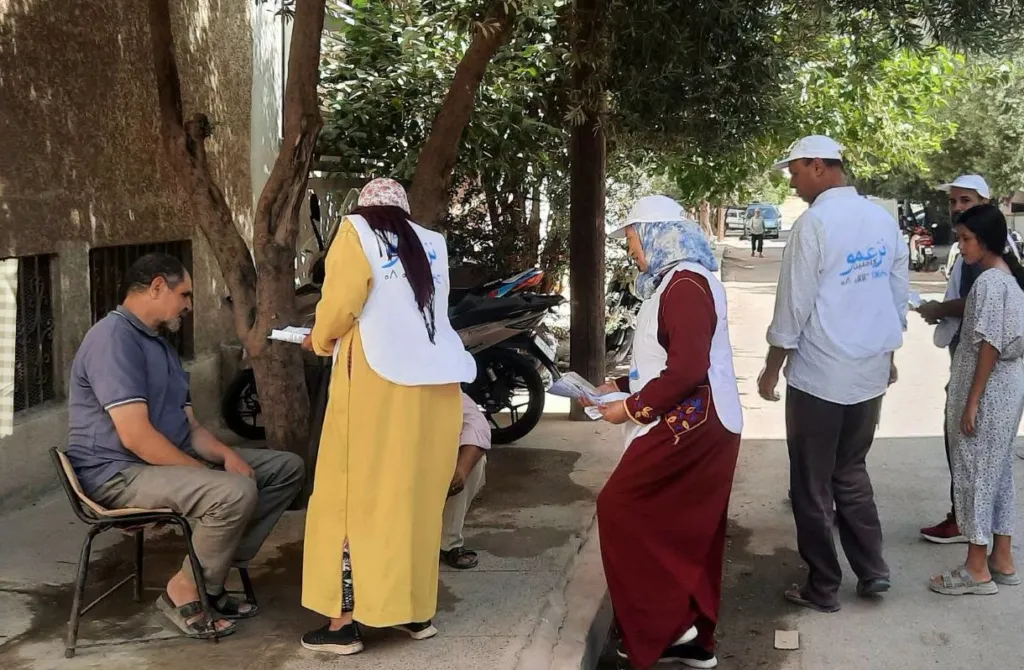
In a significant development, the Attorney General at the Court of First Instance in Fes has ordered a judicial investigation following the emergence of a video circulating on social media. This video allegedly suggests that money is being distributed as part of an electoral campaign in the northern district of Fes. According to a reliable source, the investigation revealed that the claims are related to the payment of daily wages to individuals tasked with distributing campaign flyers for a candidate.
The source emphasized that the public prosecutor's office is committed to enforcing the law with utmost rigor and determination. Legal consequences will be pursued based on the ongoing investigation's findings. This inquiry comes in light of the new electoral framework established for the upcoming September 23 elections, which aims to combat misinformation and fabricated content that could influence voters or tarnish candidates' reputations, thereby undermining the integrity of the electoral process.
New Legal Provisions Against Misinformation
The revised electoral laws have introduced specific measures to address actions that exploit modern communication technologies, particularly when it involves broadcasting or disseminating content featuring individuals' statements or images without their consent. This includes the spread of false news, deceptive claims, or falsified documents. The law also targets the publication of such content intended to infringe on the privacy of voters or candidates, as well as the dissemination of rumors and misinformation aimed at questioning the credibility and integrity of the elections.
This legal initiative is essential given the rapid proliferation of fake news and misleading content, especially with the advancements in digital technology and artificial intelligence, which can be harnessed to create content that misleads the public or distorts candidates' images during the electoral period. At the same time, the new provisions respect the right to freedom of opinion and expression, stipulating that criminal intent must be present, meaning there must be an intention to harm or unlawfully influence the electoral process. This condition excludes situations where there is no intention to harm others.
In terms of penalties, Article 51 of the amended law stipulates a prison sentence ranging from two to five years, along with fines between 50,000 and 100,000 dirhams. These measures aim to address the increasing complexities of cybercrimes, particularly violations of privacy, cyberbullying, defamation, and the spread of false and misleading content during election periods, all with the goal of influencing the electoral process.
Furthermore, these provisions seek to protect the private lives and reputations of candidates and voters from digital defamation and the unlawful use of their images or statements. They aim to curb misleading digital campaigns and fabricated content that could jeopardize the credibility of candidates or the institutions arising from the electoral process. The overarching objective is to strike a balance between freedom of expression and legal accountability in the digital arena, thereby enhancing trust in the integrity of the electoral process and the independence of voters' choices regarding their representatives in elected bodies.
This legal direction also aligns national legislation with modern legal trends in combating fake news and ensuring digital transparency, consistent with international human rights standards. Consequently, the enactment of the amended Article 51 marks a significant step toward reinforcing integrity and transparency in political life, safeguarding the electoral process from false and fabricated content while maintaining freedom of expression and privacy.
As reported by goud.ma.