
Reestablishing Connections: Direct Flights Between Israel and Morocco Resume
Israeli tourists are once again traveling to Morocco following the resumption of direct flights between the two nations last month, marking a significant milestone as it is the first direct connection in nearly three years. According to various travel agencies and tour operators, this reestablishment of air travel has reignited interest in Morocco as a prime destination for Israeli travelers. The direct route from Ben Gurion Airport to Marrakech was relaunched by Arkia, becoming the first direct service since Israeli airlines halted flights to Morocco after the tragic events involving the Hamas terrorist group on October 7, 2023. Prior to these disruptions, it was estimated that at least 200,000 Israelis visited Morocco in the year leading up to the attack.
Historical Ties and Cultural Significance
Despite a level 3 travel advisory issued by the National Security Council (NSC) recommending caution in certain regions of Morocco, the demand for tourism has surged. Arkia currently operates two flights per week, on Mondays and Wednesdays, with Israir and Sun D’Or planning to launch similar routes following the holiday period. El Al has yet to announce any plans for resuming flights. Morocco had been a favored destination for Israelis before the travel restrictions were imposed, particularly following the normalization of diplomatic relations in December 2020 under the Abraham Accords, which facilitated the establishment of direct flights for the first time. Previously, travel required indirect connections.
Tourism guide Jamal Benkirane emphasized the historical connection between Jews and Morocco, noting that the country is rich in Jewish heritage, with numerous cemeteries and synagogues. He mentioned that major cities now offer kosher food options, catering to the Jewish community's needs. The resumption of Arkia’s flights came after extensive discussions between aviation and security officials from both countries, with Transportation Minister Miri Regev participating in the inaugural flight at the end of August.
Gil Hahn, CEO of Eshet Tours, highlighted a notable spike in demand for organized trips during the autumn and early winter months. Tours that focus on heritage and a “return to roots” have gained immense popularity, especially among Israelis of Moroccan descent, estimated to be nearly one million. However, this renewed interest extends beyond just those of Moroccan heritage; Mark Feldman, CEO of Ziontours Jerusalem, remarked that Ashkenazi travelers are equally eager to explore Morocco. He noted that most of their tours are designed to discover the country’s rich Jewish history, even if it does not reflect the personal histories of all participants.
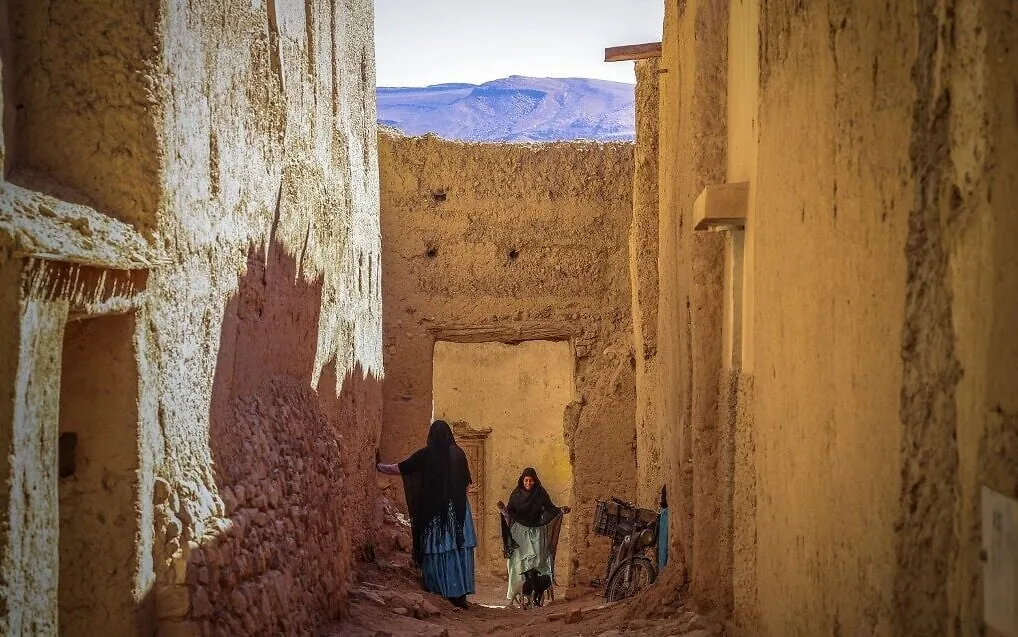
Marrakech is home to several key Jewish heritage sites, including the historic Mellah neighborhood, which dates back to the 16th century. Benkirane pointed out notable locations such as the Slat Al Azama synagogue, established in 1492 by Sephardic Jews fleeing Spain, and the Miaâra Jewish cemetery. Today, Marrakech boasts six kosher restaurants. Other cities like Fès, known for its historical Jewish philosophers, and Rabat, the coastal capital, also contain significant Jewish heritage sites, while Casablanca has a relatively recent Jewish presence with an estimated population of 1,000 to 2,000 Jews, along with synagogues and schools in operation.
Typically, tours across Morocco last from 7 to 10 days, and it is advisable to organize them with local guides who can facilitate transport between cities and access to remote sites. Yoni Waxman, vice president of Ophir Tours, noted that adhering to Jewish traditions, which once posed logistical challenges, has become significantly easier due to the developed kosher infrastructure. He stated that it is now straightforward to find kosher food and religious services throughout the country.
While the Israeli government has issued a level 3 alert for Morocco, advising increased vigilance in the northern and central regions and discouraging non-essential travel to the south, tourism officials maintain that essential tourist routes remain manageable. Waxman reassured that the security level is relatively high, with the government actively ensuring the safety of tourists to encourage their return. Feldman expressed a more cautious outlook regarding security, acknowledging his observations of anti-Israeli protests in recent years, making him slightly skeptical. He mentioned that while they continue to offer trips to clients, they do so with greater caution than before.
Travelers should also remember that Morocco may not have the same level of development as many European and American destinations; thus, adjusting expectations is crucial. Tourists can generally expect to find primarily three or four-star hotels rather than luxurious resorts found in some Western locations. To mitigate travel risks, Feldman advised Israelis to book only direct flights from Israel and obtain comprehensive travel insurance. He added that overall service quality in Morocco is good and that prices are quite reasonable, making it an attractive destination for many. For most tourists, Morocco presents a unique and exotic experience, with an element of surprise awaiting them on their first visit.
The resurgence of interest in Morocco comes at a time when Israeli travelers and airlines are increasingly seeking alternatives to traditional European and American destinations, partly due to rising antisemitism. Airlines are also looking to establish new connections to more distant markets in Asia and beyond, where there is less competition from low-cost carriers. Morocco offers Israeli travelers a blend of proximity and exoticism, with a rich Jewish history that provides a truly distinctive travel experience. As Feldman aptly put it, “It’s a country with a strong and proud Jewish tradition; it’s an excellent travel destination for 2026.”
As reported by fr.timesofisrael.com.