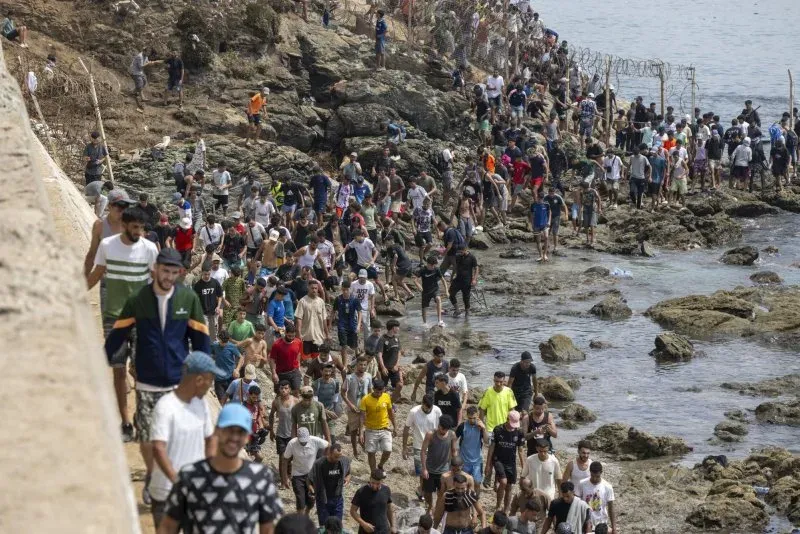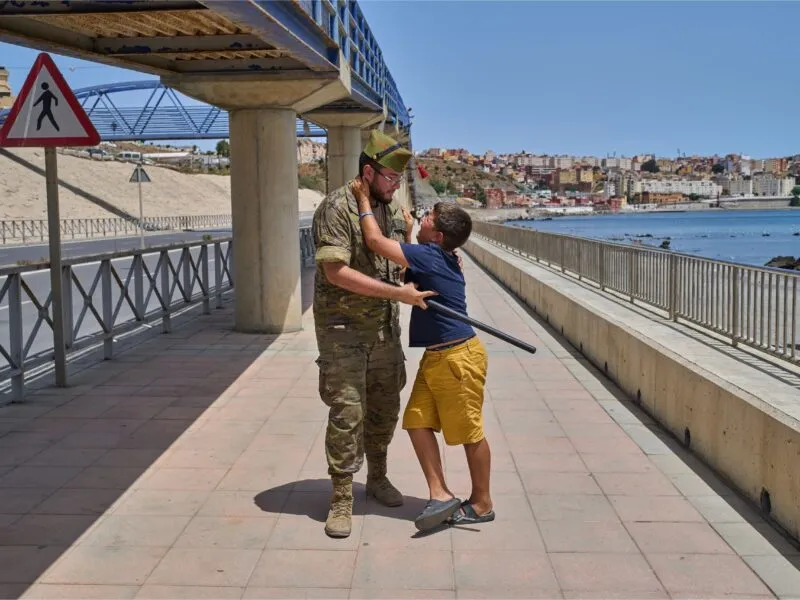

Italy has announced a 15-day extension of its border controls for travelers arriving from Spain, intensifying the ongoing Schengen dispute ignited by the mass migration crisis affecting the Spanish enclave of Ceuta in North Africa. The Italian Ministry of the Interior confirmed this decision on Monday, indicating that they would inform the European Commission about the continuation of these controls at both air and sea borders with Spain.
According to the Ministry, the extension was deemed necessary due to the persistent factors that led to the reintroduction of these controls on August 1st. Initially implemented for one month, these measures were a response to an unprecedented influx of migrants into Ceuta, raising significant concerns regarding potential security and migration-related implications for the entire Schengen Area, which typically allows free movement across borders.
Spain Implements Border Controls Against Italy Amid Escalating Tensions
In a reciprocal move, Spain announced on Friday the introduction of temporary border controls for travelers arriving from Italy. This decision was made in light of Italy's refusal to lift its border controls for Spanish citizens. The Spanish government stated that if Italy did not revoke its measures, they would implement corresponding controls at Spanish ports and border crossings for travelers coming from Italy. Following this announcement, Madrid enforced border checks beginning August 8th, set to last until September 7th.
This extraordinary confrontation raises concerns that tensions between the two EU nations—typically characterized by free border crossings for their citizens—may escalate further. On July 30th, around 72,000 individuals crossed into Ceuta from Morocco, leading to a humanitarian crisis that resulted in dozens of fatalities, with thousands still remaining in the enclave. Estimates suggest that between 5,000 and 8,000 migrants, including unaccompanied minors, continue to be stranded in Ceuta.
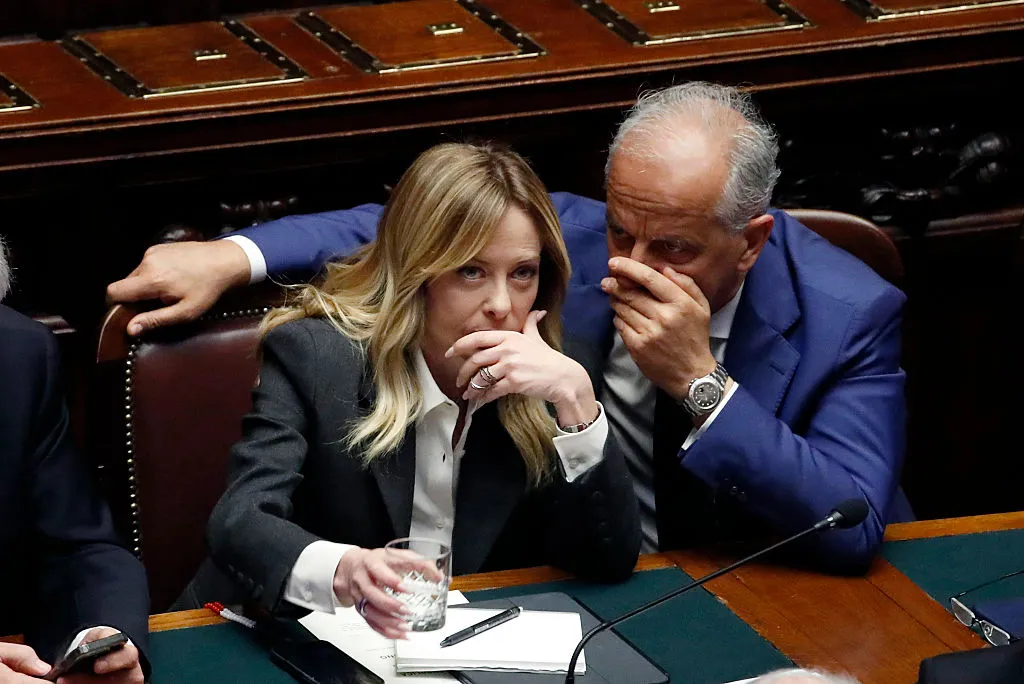
The Italian Interior Minister, Matteo Piantedosi, personally communicated the extension of the border control measures to his Spanish counterpart, Fernando Grande-Marlaska, although the Spanish Interior Ministry has not yet responded to requests for comment. Furthermore, Spain has sought additional support from the EU to address the ongoing migration situation, formally requesting assistance from Frontex, the EU border protection agency, after previously refraining from doing so.
Pedro Sánchez, the Prime Minister of Spain, expressed his views on the situation during a radio interview on Monday morning, describing the current circumstances as "absurd." He stated, "Ceuta and Melilla are not part of the Schengen Area; controls occur at the border... There is no reason or argument for this." The European Commission has yet to respond to inquiries regarding the situation.
As reported by euractiv.com.