
The Historical Context of the Proposal
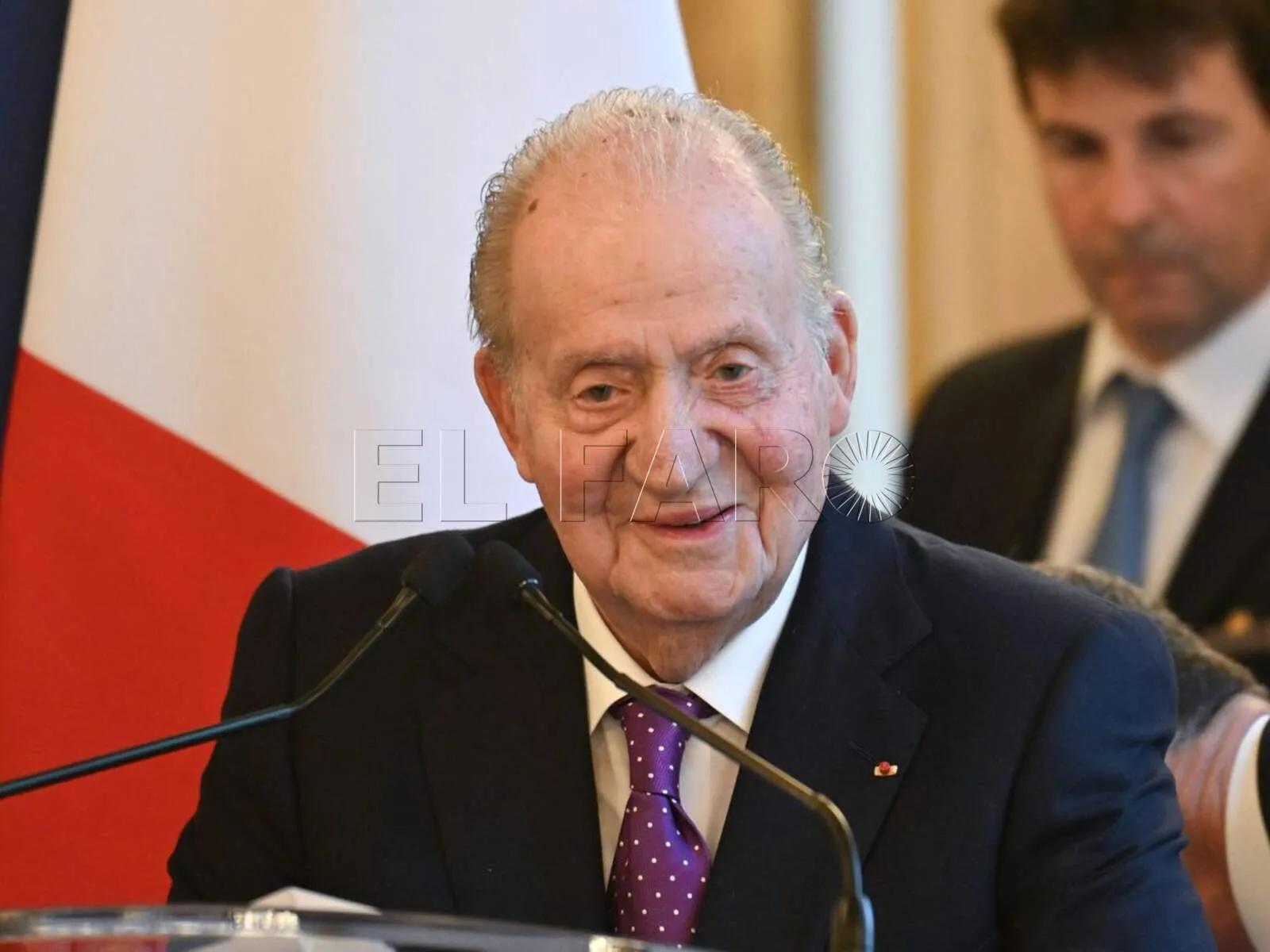
In a significant diplomatic revelation, it has come to light that King Juan Carlos I of Spain proposed to U.S. representatives in 1979 the possibility of ceding Melilla to Morocco while granting Ceuta an international status akin to that of Tangier. This information stems from a declassified diplomatic telegram referenced by OkDiario, detailing a conversation that took place on April 30, 1979, at the Palacio de la Zarzuela. The meeting included U.S. Senator Ed Muskie and the then U.S. Ambassador to Spain, Terence Todman. The context of this proposal was steeped in the geopolitical tensions of the time, particularly following Morocco's 1975 Green March, which marked the occupation of Spanish Sahara and strained relations between Spain and Morocco.
The Details of the Proposal
According to the summary of the meeting, recorded in a secret cable from the U.S. embassy to the State Department and later declassified in 2014, King Juan Carlos viewed the transfer of Melilla to Morocco as a feasible option within a relatively short timeframe, estimating that around 10,000 Spaniards resided there at the time. While he anticipated protests from the military, he expressed confidence that any unrest would subside within two months, asserting his ability to manage the situation effectively. In contrast, for Ceuta, which had a larger Spanish population of approximately 60,000 residents, the King dismissed the idea of a direct handover. Instead, he suggested the consideration of an international status similar to that of Tangier between 1923 and 1956, which was administered by a coalition of several European countries, including Spain. The King was particularly concerned that without a negotiated resolution, incidents like the Green March could reoccur.
The historian Charles Powell, who directs the Real Instituto Elcano, brought this conversation to light in an article featured in the collective work
As reported by elfarodemelilla.es.