Klopp's Path to National Team Coach: A Historic Meeting in New York
The DFB (German Football Association) is nearing a pivotal decision regarding the future of its national team. Recent discussions have led to a preliminary agreement with Jürgen Klopp, who has been the preferred candidate for the head coach position. This situation mirrors the events of 2004 when a crucial appointment for the national coach took place in New York. However, there remains a significant hurdle to overcome before Klopp can officially take the reins.
Following a foundational agreement reached during a summit with DFB officials in New York, Jürgen Klopp is poised to transition from his role as a TV analyst during the World Cup finals week to the position of national team coach. At 59, Klopp previously described his job at MagentaTV as a 'continuing education in world-class football,' but now he views it as an ideal preparation for the substantial task of elevating the national team back to its former glory on the global stage.
It has become evident that Klopp will have significantly more authority as the DFB head coach compared to his predecessor, Julian Nagelsmann. While the major points of collaboration between Klopp and the DFB are largely settled, there is a caveat: Red Bull, represented by Oliver Mintzlaff, will have the final say in the appointment of the next national coach.
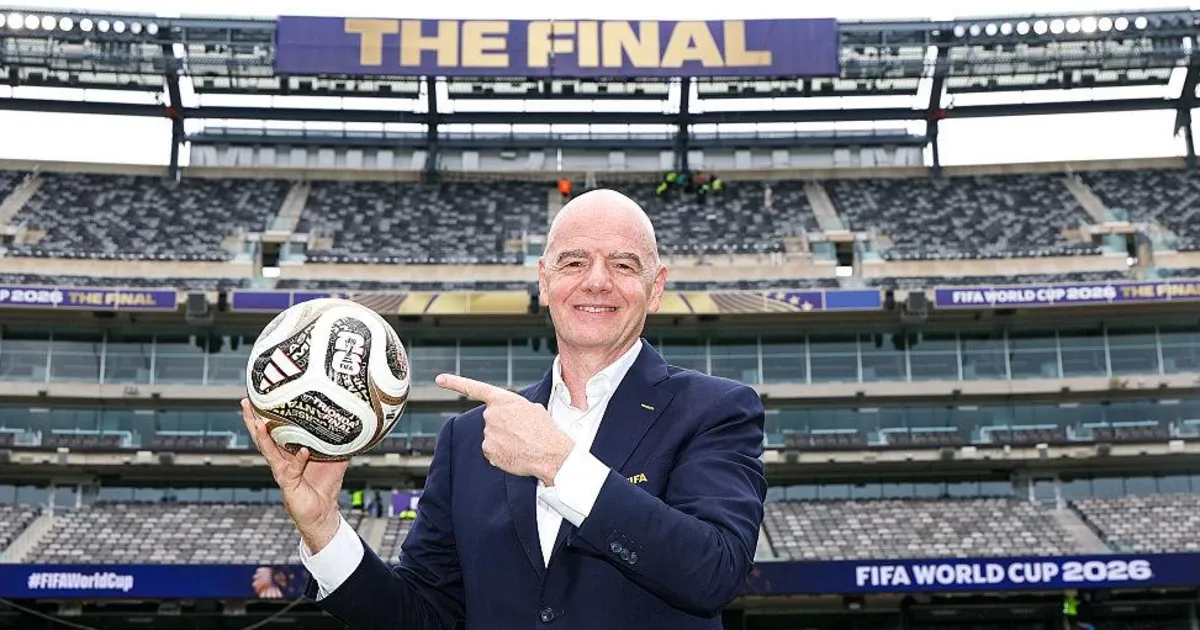
Klopp arrived at the groundbreaking meeting with DFB President Bernd Neuendorf and Vice President Hans-Joachim Watzke, dressed casually yet energetically in bright pants and sneakers. Their discussions lasted over four hours, indicating a serious commitment from both parties. The DFB has stated that a constructive dialogue has established key points for a potential contract, with talks set to continue in the upcoming week.
The momentum toward Klopp succeeding Nagelsmann appears unstoppable, provided that negotiations with Klopp's current employer, Red Bull, reach a successful conclusion. Klopp's contract with Red Bull extends until 2029, which adds pressure to the DFB as they strive to finalize this high-profile appointment. The DFB's message hints at Klopp's future being contingent upon Red Bull's approval, raising questions about the publicity and recognition that Red Bull could gain from such a partnership.
Mintzlaff, known for his influential role at RB Leipzig, is now a key player in these discussions. Klopp has expressed his admiration for Mintzlaff, acknowledging his commitment to German football. Following the disappointing World Cup performance in 2022, Mintzlaff was part of the task force that Neuendorf and Watzke later established within the DFB, which positions him as a significant contributor in the current scenario.
One possible solution under consideration is for Klopp to remain linked to Red Bull as a brand ambassador, a notion that does not sit well with amateur representatives within the DFB who are hesitant to allow Red Bull access to the national team setup. Ultimately, the acceptance of Klopp's appointment hinges on the shareholders' meeting and the supervisory board of DFB GmbH & Co. KG, which must approve any hiring decisions. Key figures such as Ralph-Uwe Schaffert (North German Association), Peter Frymuth (West German Association), Hermann Winkler (Saxony), and Christoph Kern (Bavaria) are part of this group and reportedly support Neuendorf’s vision for Klopp.
Neuendorf is keeping the DFB committees updated on these developments, and during a recent meeting, he was granted significant leeway to negotiate a deal with Klopp, albeit not at any cost. An indication of Red Bull's stance is eagerly anticipated, with reports suggesting a meeting between DFB leadership and Mintzlaff is scheduled for Tuesday, where Mintzlaff is expected to travel to New York to meet Klopp. By the end of the week, these discussions could yield substantial progress.
Should this come to fruition, history would indeed repeat itself, as a significant chapter in the appointment of a national coach would once again unfold in New York. Just as in 2004, when the DFB secured Jürgen Klinsmann’s services following Germany's exit from the Euro group stage, a similar narrative is now being crafted with Klopp's potential hire.
Klinsmann, the architect of Germany's memorable 2006 World Cup run, outlined the essential qualities needed in a national coach, emphasizing the importance of being a 'people manager.' This is a trait that Klopp has demonstrated throughout his coaching career at Borussia Dortmund and Liverpool, where he has successfully guided teams to victory while maximizing the potential of his players. As Klopp prepares to embark on this new journey with the national team, there are still ten weeks until he officially begins. The preparations will kick off in Herzogenaurach with a demanding schedule of four matches within ten days against the Netherlands, Serbia, and Greece.
As Klopp transitions from a TV analyst to his new role, it will be fascinating to see how he applies the insights gained during his time in front of the camera to the rebuilding of the national team. Questions abound regarding his vision for the squad leading into Euro 2028, including which over-30 players will remain, such as Joshua Kimmich, Antonio Rüdiger, and Serge Gnabry. Moreover, who will take on the captaincy, and who will be the first-choice goalkeeper? What style of play will Klopp implement—will it lean toward aggressive pressing and quick transitions rather than a static possession game? 'German football is at a turning point right now. We need to fundamentally change things,' Klopp remarked following Germany's World Cup elimination against Paraguay. At that moment, he spoke as a television expert, not yet as the future national team coach.
As reported by t-online.de.