
Published today at 07:58. Welcome to this week's edition of the _Jeune Afrique_ Brief, your weekly newsletter summarizing the significant political, economic, and security news from across the continent.
This week's highlights include:
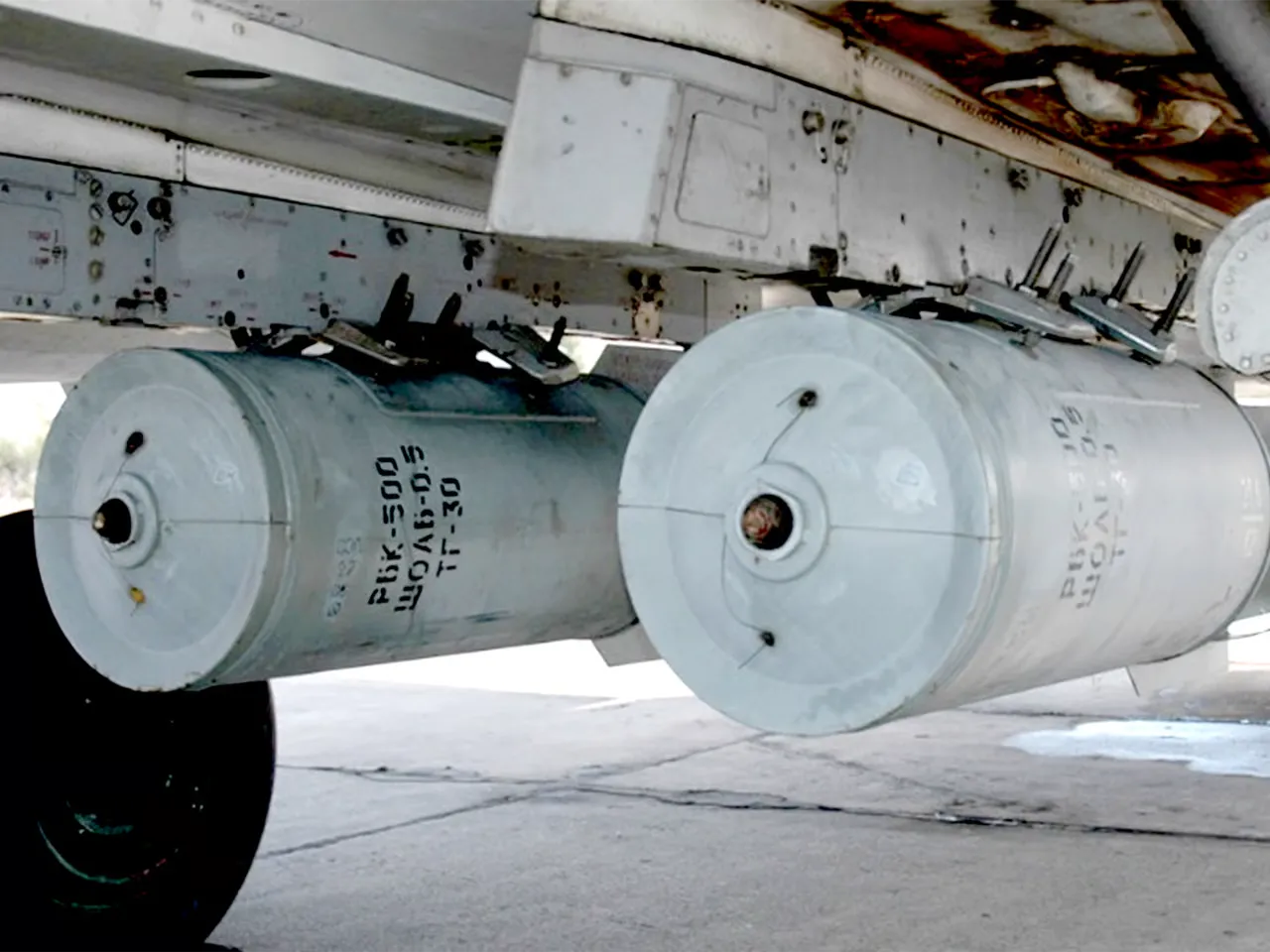
- Evidence of a strike involving banned munitions in Mali
- Concerns regarding violent actions by the Force du Progrès in the DRC
- A technocrat appointed as Prime Minister in Senegal amidst political upheaval
- An alleged assassination attempt on an Algerian opposition figure in France
- Morocco emerges as Africa's industrial leader
Happy reading!
Mali: New Evidence of Russian Cluster Munitions Used in Military Strikes
An investigation conducted by _Jeune Afrique_ in collaboration with Bellingcat has uncovered the use of cluster munitions during a bombing on May 17 in the village of Tadjmart, located in the Kidal region. Analysis of photographs and videos has revealed remnants of RBK-500 explosives and unexploded ShOAB-0.5 submunitions. The visible markings on the debris indicate their manufacture in 1981 at a Russian factory in the Nizhny Novgorod region. According to various local sources cited by _Jeune Afrique_, the bomb was likely dropped by a Russian Su-24M bomber, the only aircraft currently operational in Mali capable of carrying such munitions. It is important to note that cluster munitions are prohibited by the Oslo Convention, which Mali has ratified, whereas Russia has not. The Malian armed forces have claimed responsibility for 'surgical strikes' in the area without clarifying the nature of the weapons used.
DRC: Young Activists of the Force du Progrès Accused of Violent Misconduct
In Kinshasa and several other cities across the DRC, members of the Force du Progrès, an informal group linked to the youth wing of the Union for Democracy and Social Progress (UDPS), face accusations of violence, intimidation, and illegal tax collection. _Jeune Afrique_ has spoken with these youths, whom the opposition describes as a militia serving President Félix Tshisekedi. The Force du Progrès, which emerged from the UDPS's activist network, has organized into autonomous 'bases' often led by local figures. Some of these bases control urban territories using methods that range from intimidation to the informal management of economic activities such as parking and neighborhood contributions. The opposition accuses the government of maintaining a 'private and partisan militia,' while UDPS officials deny these claims, attributing issues to 'infiltrators' or individual misconduct. On the ground, some members assert their role in maintaining local order and reject the label of 'thugs' or 'militias.'
As reported by jeuneafrique.com.