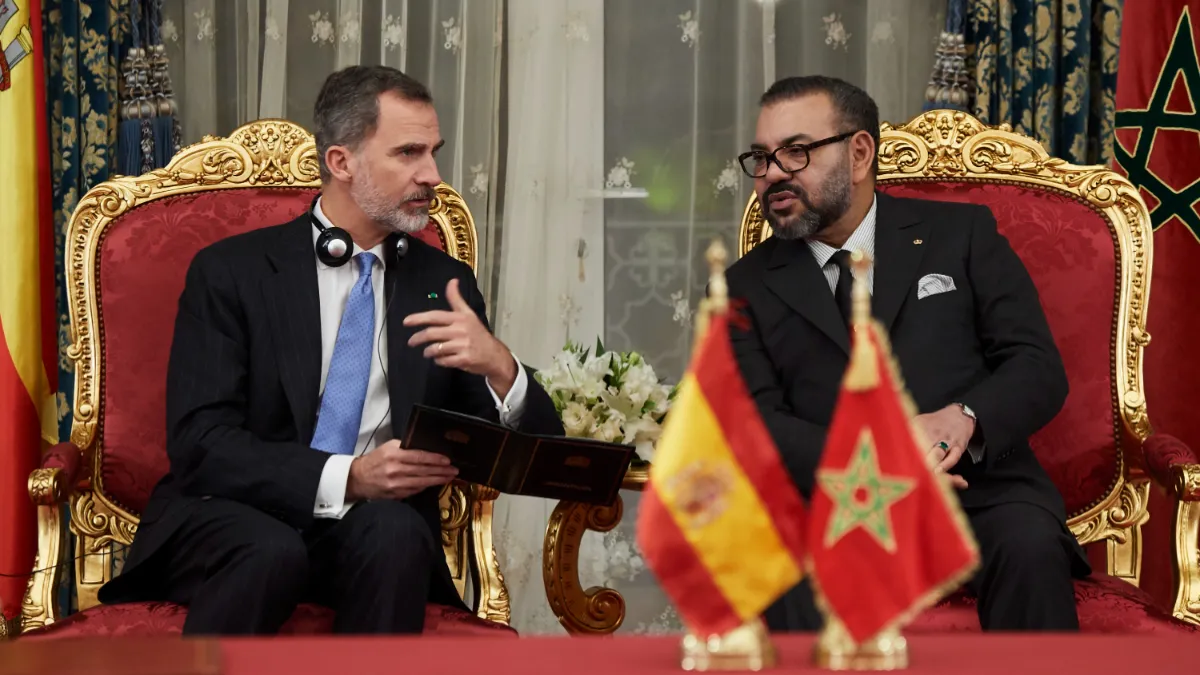

Spain's King Felipe VI, recognized as one of Europe's most financially modest monarchs, is preparing for a significant visit to the Spanish enclave of Ceuta. This trip follows a recent migration crisis that saw an influx of approximately 73,000 African migrants reaching the region. The planned visit underscores the importance of this issue, especially as Spanish Prime Minister Pedro Sánchez emphasized the need for leadership during this challenging time for Spain.
The timing of King Felipe VI's visit comes as Madrid seeks to strengthen its collaboration with Rabat on critical matters such as migration management, security, and border control. The relationship between Spain and Morocco has been historically fraught, particularly concerning the territories of Ceuta and Melilla, which are located in North Africa and have long been points of contention between the two nations. Prime Minister Sánchez has urged a more proactive approach from the monarchy, citing the necessity for the head of state to engage with the situation at hand. In a recent interview, Sánchez pointedly noted, "There are more than enough reasons and motives for the head of state to visit Ceuta and Melilla," highlighting the perceived lack of royal engagement in these territories since Felipe VI's ascension.
Despite Sánchez's claims regarding the king's tenure, it is worth noting that King Felipe VI has been on the throne since 2014, making his reign approximately nine years—not the 20 years suggested by Sánchez. This statement has drawn scrutiny, particularly as it contrasts with the historical visits made by previous monarchs, including a notable trip by Felipe VI’s father, King Juan Carlos I, in 2007. The legacy of diplomatic relations between the Spanish and Moroccan crowns is significant, with King Juan Carlos I known for maintaining a strong friendship with the late King Hassan II of Morocco, often acting as a mediator during diplomatic disputes.
In contrast to his Moroccan counterpart, who is recognized as Africa's wealthiest monarch, King Felipe VI's financial modesty is noteworthy. He has been ranked as the ninth richest monarch in Europe, having reduced his salary by 20% back in 2015, and his net worth was reported to be approximately 2.6 million euros as of 2022. This transparency initiative marks a departure from the previous king's reign, aiming to enhance accountability within the Spanish monarchy.
The ongoing migration crisis has placed immense pressure on Spain, particularly as local authorities reported that thousands of migrants entered Ceuta within a single day. The two Spanish territories, situated on Morocco's northern coast, serve as the EU's only land border with Africa and have historically been key points for migrants attempting to reach Europe. In light of the crisis, Spain's Interior Ministry has raised concerns about human trafficking networks exploiting the situation, further complicating the delicate diplomatic relationship with Morocco, which has renewed its claims over Ceuta and Melilla. While Spain firmly rejects any discussions regarding the sovereignty of these territories, the migration issue remains a pressing concern, with local facilities overwhelmed by the number of individuals seeking refuge.
As reported by africa.businessinsider.com.