
Royal Engagement in Ceuta
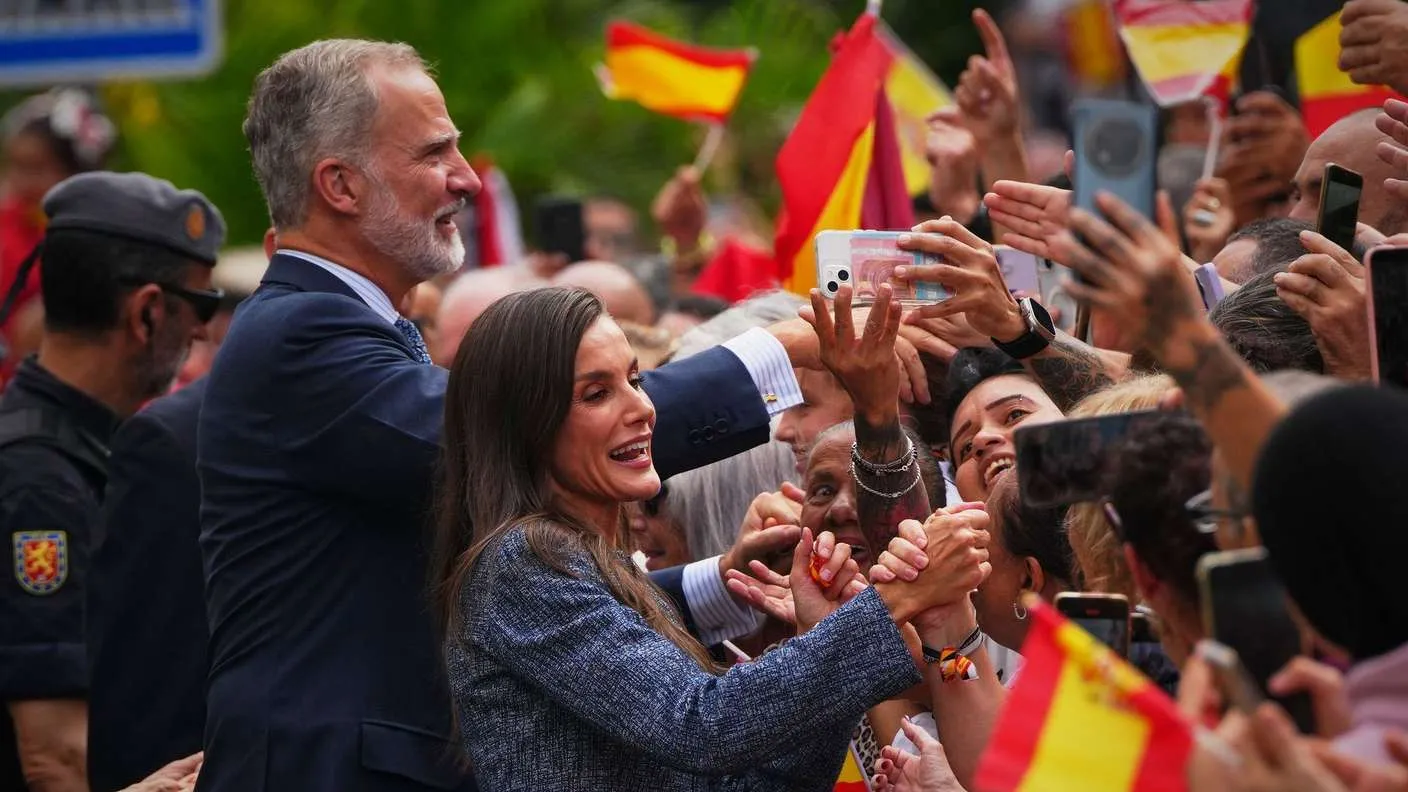
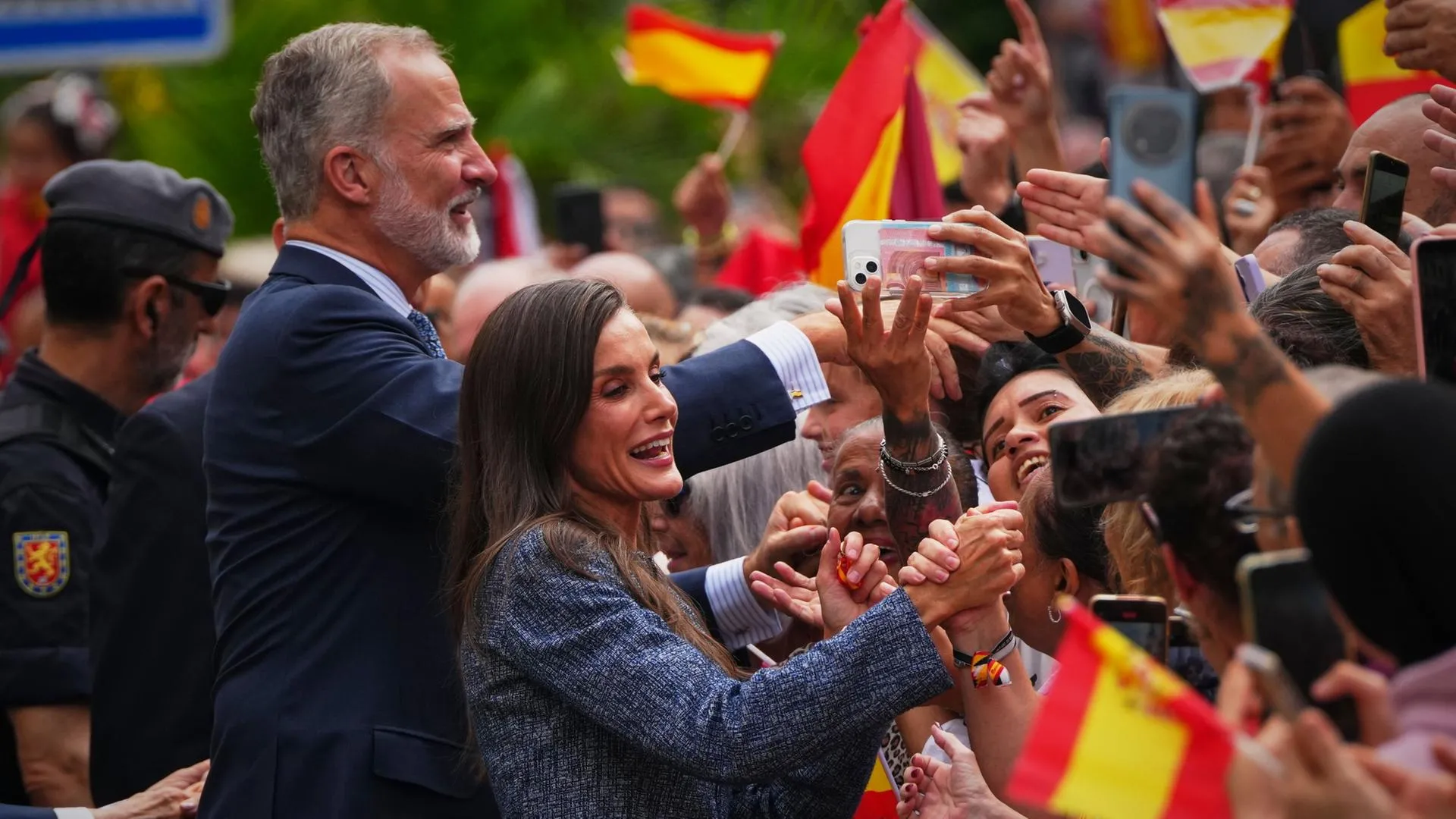
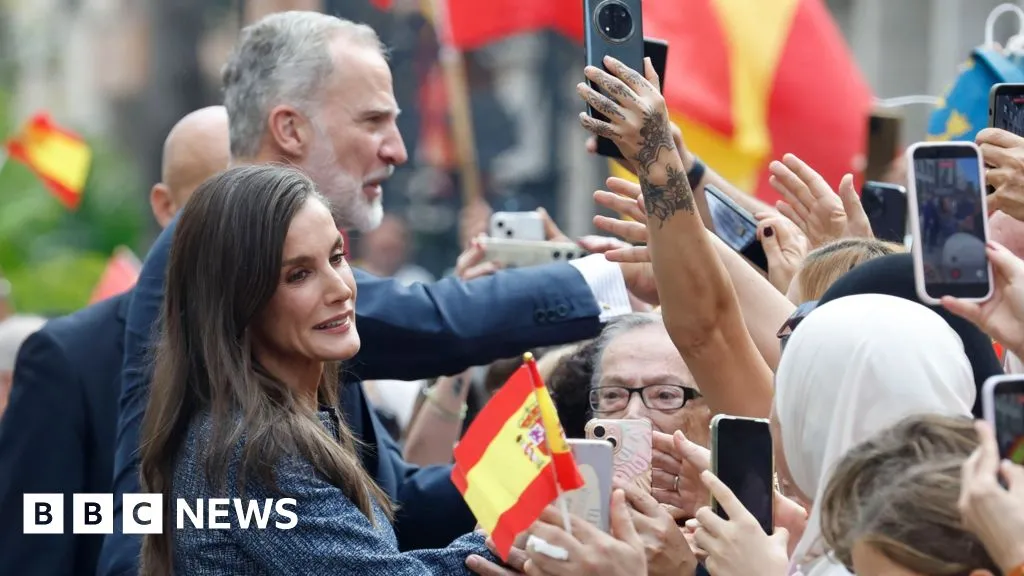
In a significant and historic visit, King Felipe VI and Queen Letizia of Spain arrived in Ceuta, a Spanish exclave that has been overwhelmed by a migrant crisis following a massive influx of approximately 70,000 individuals from Morocco in July. This marks the first royal visit to the city in nearly two decades, occurring against a backdrop of heightened tensions with Morocco, which asserts a longstanding claim to the territory. The royal couple was warmly welcomed by enthusiastic crowds waving Spanish flags as they visited the city hall, where they engaged with local officials to gain insights into the impact of the crisis on the community.
Challenges Faced by Ceuta
Despite the majority of migrants having departed since the surge, humanitarian organizations estimate that at least 141 individuals lost their lives in the perilous crossings, while thousands continue to remain in precarious conditions. Many have been forced to sleep rough, prompting local concerns and criticisms directed towards Prime Minister Pedro Sánchez's handling of the situation, particularly with elections approaching next month where immigration is likely to be a pivotal issue. During their visit, King Felipe VI and Queen Letizia expressed that their presence was "long awaited and long overdue," emphasizing their commitment to the future of Ceuta and its residents, which they framed as integral to the future of Spain itself.
The royal couple's itinerary includes an interfaith ceremony at the Sidi Embarek Muslim cemetery, where many of the deceased migrants have been laid to rest. Additionally, King Felipe is set to deliver a speech from the Parador hotel in Ceuta, after which he will travel to Melilla, Spain's other North African city that is also claimed by Morocco. The Spanish government described this visit as a "historic" turning point in addressing the ongoing crisis, despite concerns about potential reactions from Morocco, which a spokesperson deemed normal considering the royal family's engagement with these Spanish cities.
Mayor Juan Jesús Vivas of Ceuta, who presented the king and queen with the key to the city, articulated the dire state of the exclave, referring to it as a "pressure cooker" that risks social cohesion, essential services, and security amidst this crisis. He characterized the current situation as the most severe national security challenge faced by Spain in its democratic history, with estimates suggesting that around 15,000 migrants remain in the city, contrasting sharply with central government figures that indicate only 7,400 available spaces for housing the migrants. As the crisis has thrust Ceuta and immigration into the national political spotlight, demonstrations have erupted on the mainland, calling for support for the residents of Ceuta, alongside growing criticism of the Socialist-led government's management of the situation.
Furthermore, the ongoing events have intensified scrutiny of Spain's relations with Morocco. While Prime Minister Sánchez has faced accusations from opposition leaders regarding his handling of the crisis, he confirmed recent reports of Moroccan military vessels entering Spanish waters during the height of the crossings, albeit downplaying the significance of these incidents. Morocco has reiterated its claims over Ceuta and Melilla, with calls for bilateral discussions on the matter, which the Spanish government has rejected, positioning the situation as a complex interplay of diplomatic tensions and humanitarian challenges.
As reported by bbc.com.