
Royal Arrival and Local Enthusiasm
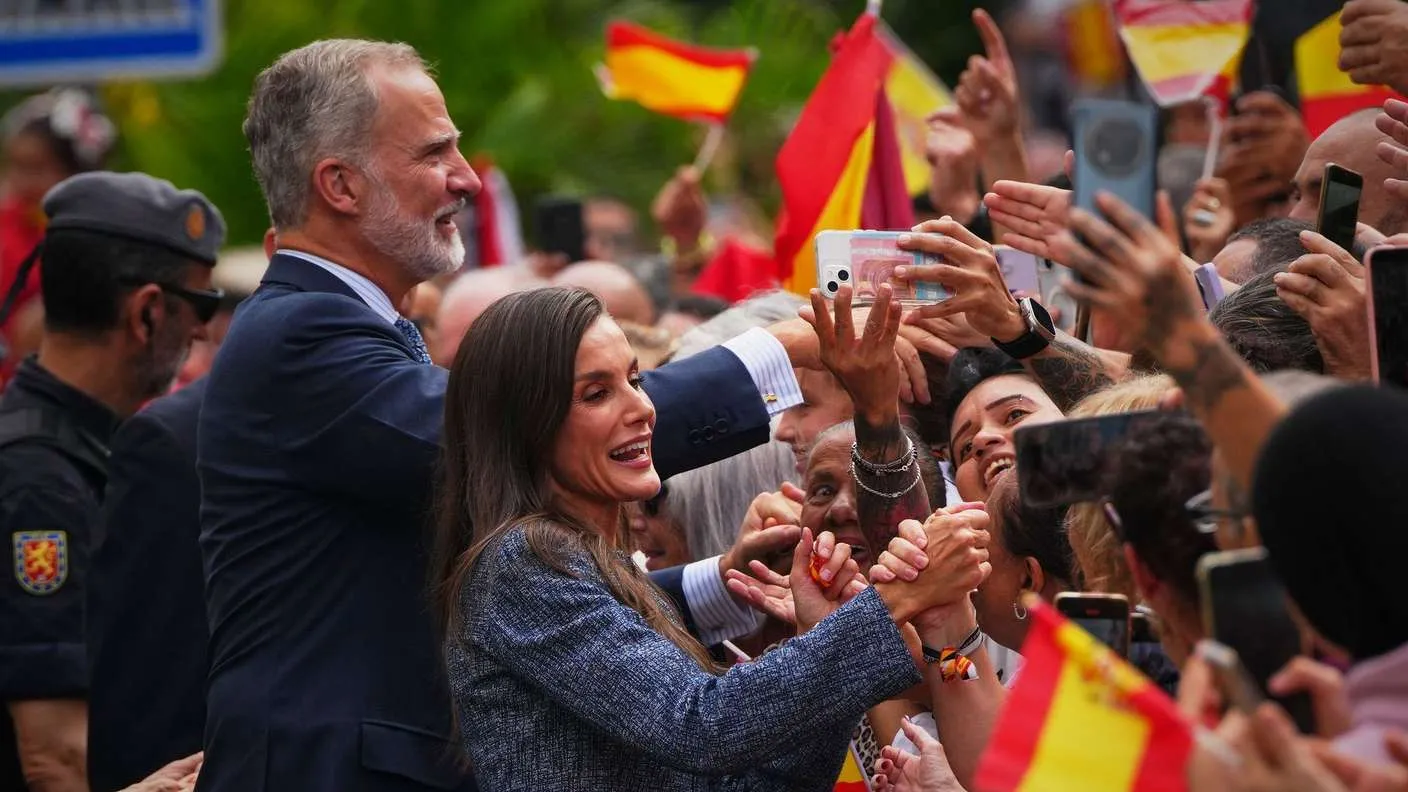
In a historic return to Ceuta, Spain's King Felipe VI and Queen Letizia arrived by helicopter from Málaga, marking the first royal visit to this North African enclave since 2002 when King Juan Carlos and Queen Sofía made a similar trip. The visit was met with exuberant cheers from the local populace, who shouted "Viva España!" and "Vivan los Reyes!" as they eagerly took photographs and reached out for a touch from the royal couple. This warm reception was a rare display of enthusiasm and gratitude rarely afforded to the Spanish monarchy, particularly in the context of recent events where the region had been overwhelmed by the arrival of tens of thousands of migrants in late July. The royal visit serves as a symbolic gesture of reconciliation and support for the community amidst ongoing challenges.
Diplomatic Tensions with Morocco
Traditionally, when Spain faces significant distress, the royal family is quick to visit those affected, embodying the nation's compassion. However, the timing of this visit to Ceuta was delayed as the royal family awaited governmental approval, which was granted albeit hesitantly. This occasion marks only the second time since the establishment of Spain's parliamentary monarchy that a royal visit has occurred in Ceuta, following a previous visit by Felipe's parents that sparked a minor diplomatic spat. The main obstacle remains Morocco, which views such royal visits to Ceuta and its sister city Melilla as provocative acts, claiming that these territories are Moroccan land under Spanish occupation—a perspective that is not widely recognized internationally. The media in Morocco reacted to this visit by labeling it a "provocation with announcement," and some outlets characterized it as a trip fraught with diplomatic risks. Nevertheless, Spain appears prepared to navigate these tensions.
The situation surrounding the influx of migrants to Ceuta has been a hot topic of discussion. The rapid arrival of thousands within a mere day and a half has been interpreted by many as a test of the enclave's defensive capabilities. Reports surfaced that during this crisis, a Moroccan frigate and several patrol boats crossed into Spanish territorial waters near Ceuta. While the Spanish government acknowledged the intense situation, they played down its implications, with Prime Minister Pedro Sánchez stating that despite the challenges, communication with Morocco had proceeded smoothly.
Many of the migrants were fleeing dire circumstances in Africa, while a substantial number of Moroccans appeared to have crossed the border out of curiosity. Many returned shortly after, but thousands opted to remain in hopes of a better life in Europe. In the lead-up to the royal visit, Spanish authorities cleared the beaches of those living in precarious conditions, relocating them to temporary shelters or facilitating their voluntary return to Morocco without formal deportation orders. Since mid-August, over 10,000 individuals have made the decision to return. The crisis in Ceuta, however, is far from resolved. Unlike past visits by Juan Carlos and Sofía, the current monarchs expressed a desire to spend the night in Ceuta before continuing their journey to Melilla.
As reported by fr.de.