
Government Acknowledges Responsibility in Ceuta Migration Crisis
The ongoing migration crisis in Ceuta has reached a critical point, prompting significant responses from government officials and community leaders. Sira Rego, the Minister of Youth and Childhood, has publicly acknowledged that the Spanish government bears "a part of the responsibility" for the management of the crisis. She highlighted the extraordinary overflow situation and stressed the need for more efficient and rapid coordination in handling the influx of migrants. This admission from a government official underscores the seriousness of the situation, which has seen a substantial number of individuals attempting to cross into Ceuta in recent weeks.
Community and Political Reactions Amidst Rising Tensions
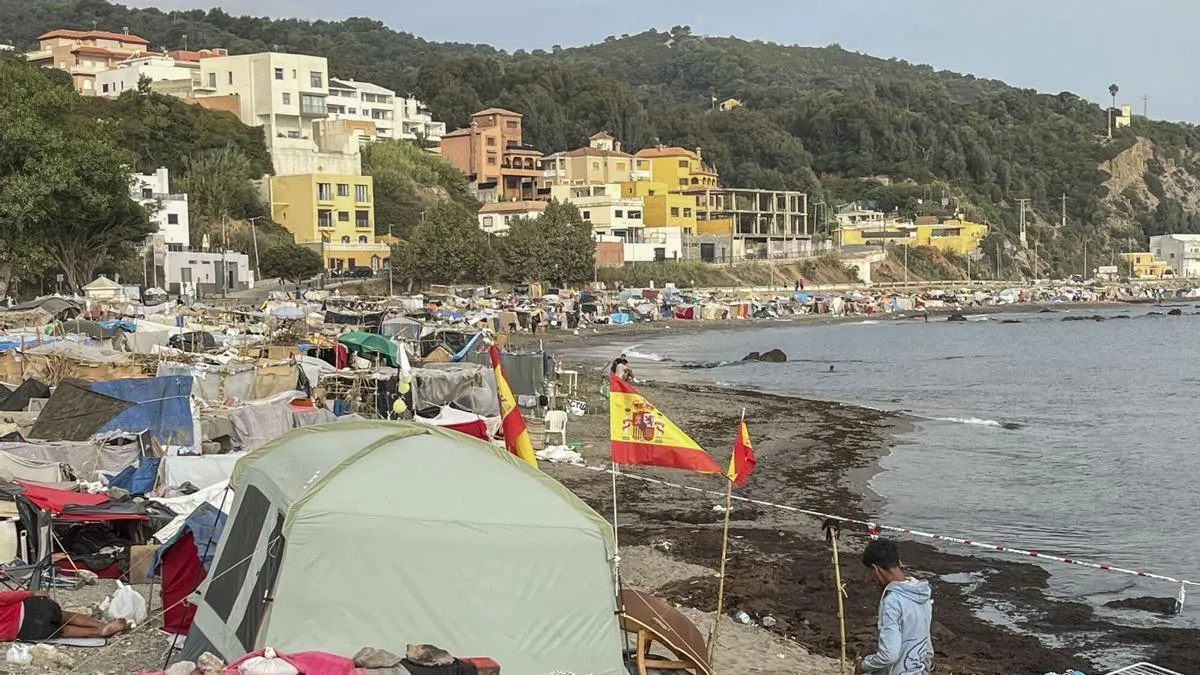
As the crisis unfolds, tensions have escalated in the local community. Residents of El Tarajal have expressed their concerns over the presence of hundreds of migrants near their neighborhoods, especially in light of the impending visit from Interior Minister Fernando Grande-Marlaska. This visit is expected to be the third by the minister since the crisis began over a month ago, highlighting the ongoing need for governmental oversight and action. Local political leaders, including Javier Cortés from Vox, have criticized the government's handling of the situation, claiming that Prime Minister Pedro Sánchez has "lost control of the Spanish people". Such comments reflect a growing discontent among various political factions regarding the government's response to the crisis.
In addition to political criticisms, there have been community-led initiatives aimed at addressing the needs of vulnerable populations, particularly children in Ceuta. Protests under the banner "For the Children in Ceuta" have called for the government to ensure the protection and well-being of minors as they return to school amidst the crisis. Parents have voiced their concerns, noting that the presence of military personnel in the streets is not a normal aspect of daily life.
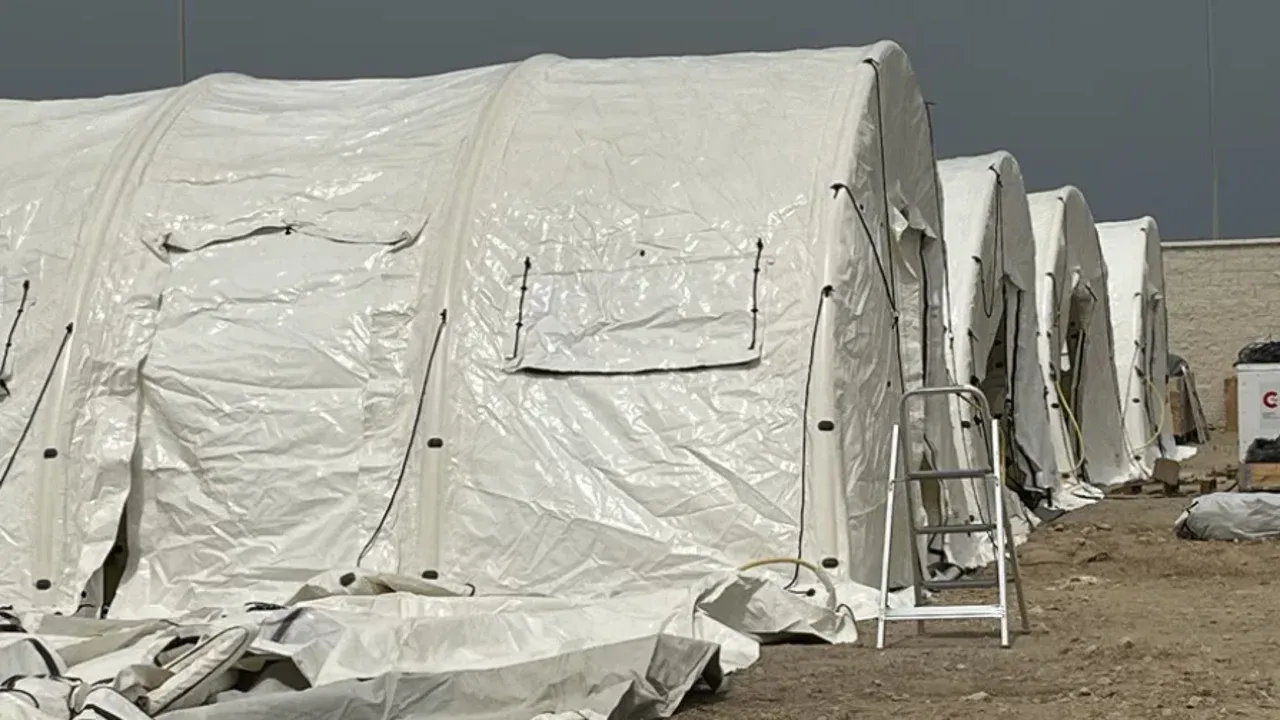
Meanwhile, the situation remains fluid as measures are taken to manage the migrant population. The installation of temporary tents in the port area aims to accommodate up to 700 migrants, providing them with necessary supplies and medical attention. However, local leaders have expressed mixed feelings about these developments, with some criticizing the government for "imposing a camp" in the port and creating uncertainty in the community.
Overall, the crisis in Ceuta continues to evolve, with rising numbers of migrants arriving, increasing community tensions, and significant political discourse surrounding the government's handling of the situation. The coming days will be crucial as further governmental actions are anticipated, including potential financial aid and policy adjustments aimed at addressing the ongoing challenges.
As reported by antena3.com.