
Casablanca Lawyers Demand Fair Compensation Amid Prolonged Strike
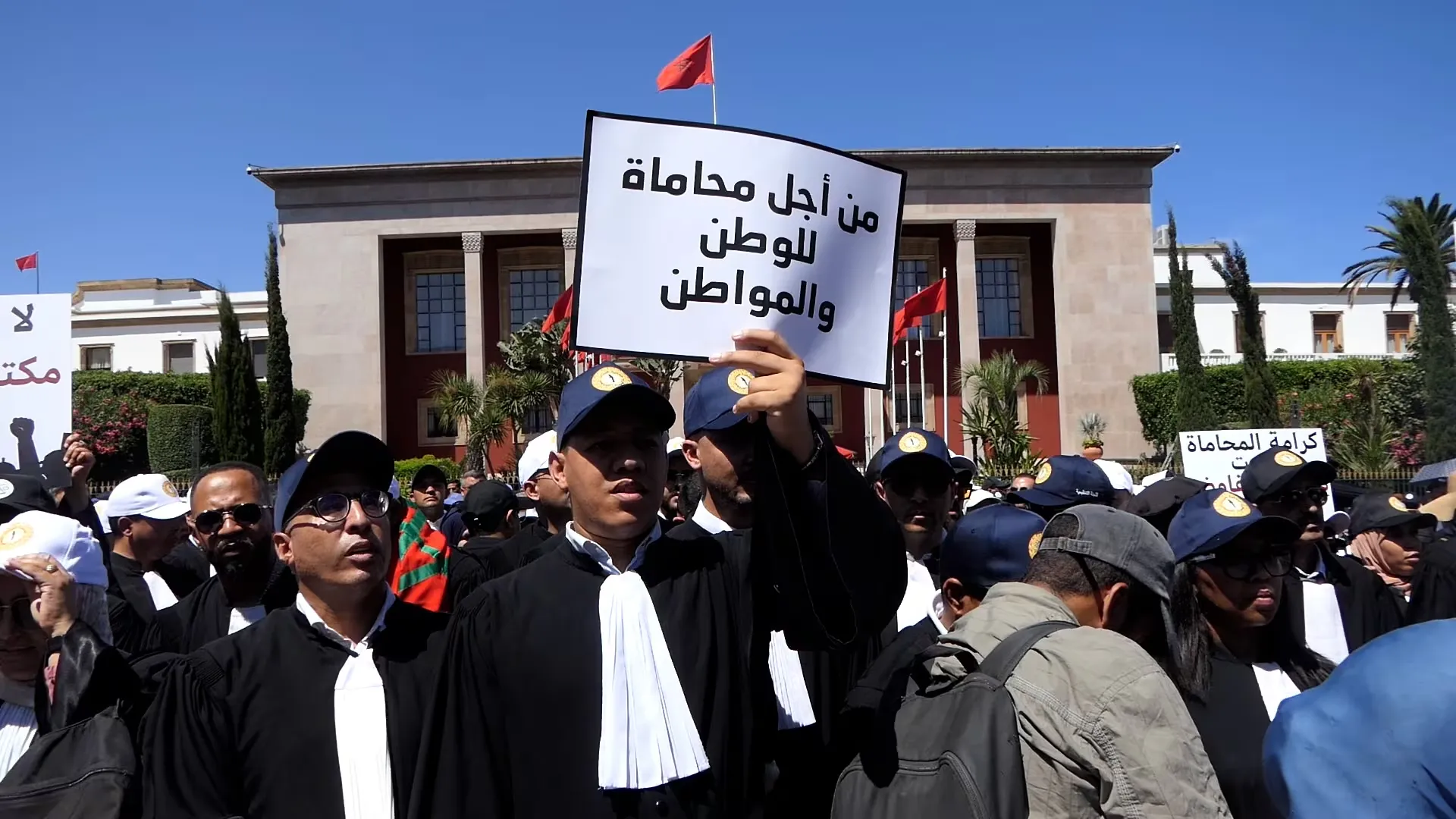
As the lawyers’ strike in Casablanca stretches into its second month, a wave of discontent is sweeping through the legal profession regarding the financial support offered to them. The Casablanca Bar Association has decided to grant a one-time allowance of 4,000 dirhams to registered lawyers and 2,500 dirhams to interns, a move that has ignited significant controversy. This strike, primarily aimed at opposing a legislative proposal affecting their profession, has severely disrupted court operations across the Kingdom and dramatically affected the earnings of many lawyers.
As the strike continues, numerous lawyers are facing an increasingly precarious financial situation. Contrary to the stereotype of affluent law firms, a substantial number of attorneys are grappling with fixed expenses such as rent, staff salaries, and operational costs, all while their income has dwindled or come to a near halt. On July 28, 2026, Mohamed Hissi, the president of the Casablanca Bar, stated that this financial aid is a part of measures intended to mitigate the economic fallout resulting from the comprehensive cessation of legal activities, which aims to advocate for "fair and equitable professional legislation."
Disparities in Financial Assistance Spark Outrage
However, the financial support provided in Casablanca has not been well received. In Meknès, for instance, the Bar Association decided on July 23, 2026, to distribute a much more substantial aid of 10,000 dirhams to each registered lawyer and 5,000 dirhams to interns. This financial aid is sourced from both the social solidarity fund and a special contribution drawn from the Association’s management account. In Rabat, it has been reported that the assistance could reach up to 11,000 dirhams per lawyer. The stark contrast in the assistance amounts has led to heightened criticism, particularly regarding the perceived unequal treatment of lawyers in different cities. In various locations, support has been issued multiple times, with cumulative amounts potentially reaching up to 20,000 dirhams, particularly around the Aïd al-Adha festival. Conversely, the Casablanca allocation is seen as a meager initial payment, particularly when considering the high cost of living in the economic capital.
Another point of contention is the process by which these funds are disbursed. Unlike other bar associations where aid is provided automatically, Casablanca lawyers are required to submit a written application before August 31, 2026, to qualify for assistance. This requirement has been perceived by many as an affront to their dignity, raising questions such as, "Why should we request aid from a fund that we contribute to ourselves?" This sentiment reflects a broader frustration with what many in the profession see as an inequitable management of resources among the different bar associations.
As the situation develops, the discontent among Casablanca's lawyers continues to grow, reflecting not only their immediate financial struggles but also their desire for equitable treatment and support during this challenging period of activism.
As reported by fr.le360.ma.