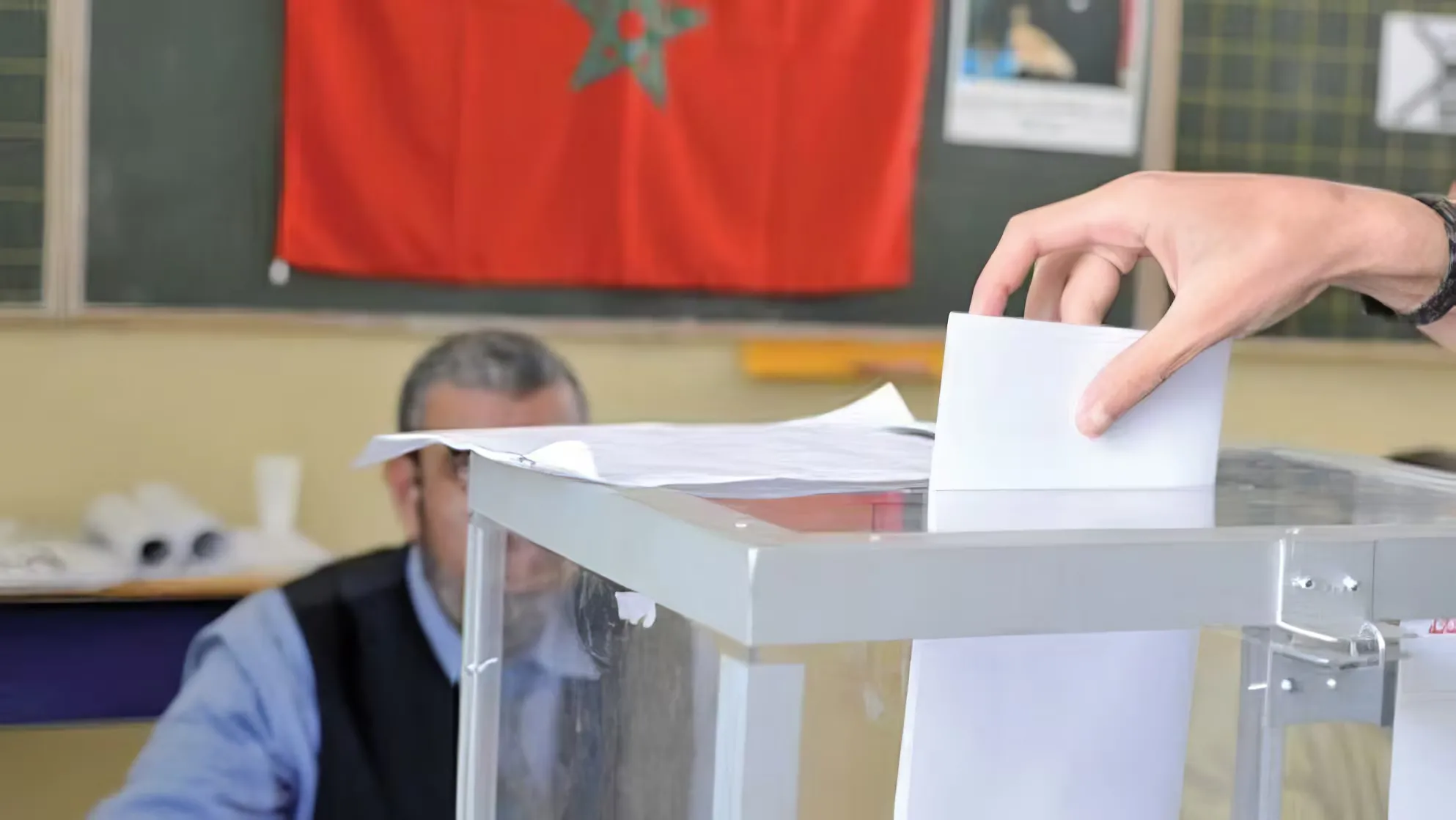

Intense Political Contest in Rabat-Chellah
As Morocco gears up for its legislative elections scheduled for September 23, 2026, the Rabat-Chellah constituency has emerged as one of the most fiercely contested electoral battlegrounds in the capital. This district, characterized by its sociological significance and strategic importance, is a focal point for both the ruling coalition and opposition parties, all striving to secure or defend their parliamentary seats amidst an atmosphere of intense competition. According to a report from Al Akhbar, the struggle for the three available seats in Rabat-Chellah has reached unprecedented levels of intensity.
Major Players and Their Strategies
The Rabat-Chellah district is not only notable for its heterogeneous social composition and prime geographical location in the heart of Rabat, but also for its electoral history. In previous elections, this constituency has served as a testing ground for prominent political figures and major parties, allowing them to gauge their influence and support. Within the ruling coalition, the National Rally of Independents (RNI) and the Authenticity and Modernity Party (PAM) are keen to defend the two seats they won in the 2021 elections, alongside the Socialist Union of Popular Forces (USFP). The RNI has decided to endorse Alaa Eddine Bahraoui once again, banking on his electoral strength in several key neighborhoods. The PAM, on its part, has put forth Adib Benbrahim, the Secretary of State for Housing, in a bid to solidify its position, a choice that comes with significant challenges due to the fierce competition.
On the opposing side, the Istiqlal party is attempting to shift the balance of power by fielding Abdelaziz Derouich, the president of the Rabat Prefectural Council. With his local fame and experience in elected assemblies, Derouich aims to restore the party's prominence following its disappointing performance in 2021. Similarly, the USFP is not shying away from ambition, as it has chosen to re-nominate outgoing deputy Al Hassan Lachgar, who must defend his seat against an assertive Istiqlal party and other contenders eager to disrupt the status quo, hoping for an electoral upset.
Meanwhile, the Justice and Development Party (PJD) is attempting to make a significant comeback in the capital with its candidate Mohamed Tahiri, while the Unified Socialist Party (PSU) joins the fray under a leftist alliance, represented by Mohamed Aouni. The Popular Movement (PPS) is banking on former parliamentarian Jamal Karimi Benchekroun, and the Constitutional Union (UC) has aligned with Mohamed Ait Bousham as its candidate. This diverse array of candidates highlights the dynamic political landscape in Rabat-Chellah, setting the stage for a highly competitive and potentially transformative election.
As reported by fr.le360.ma.