
Understanding the Aftermath of Disasters
On June 24, 2026, northwestern Venezuela was rocked by two powerful earthquakes, measuring 7.2 and 7.5 on the Richter scale, occurring merely 39 seconds apart. These seismic events were among the most intense the region had experienced in over a century, resulting in a devastating aftermath that saw the death toll rise to over 2,200, with more than 11,000 individuals injured and countless others still unaccounted for. As rescue teams tirelessly sift through the debris, the country grapples with an already precarious economic and political landscape, which complicates recovery efforts. In the wake of such calamity, a pressing concern emerges: beyond the physical destruction, how do we address the emotional scars and trauma that linger long after the immediate dangers have passed?
Three years prior, the High Atlas Foundation (HAF) encountered this very dilemma following the September 2023 earthquake that struck Morocco's Al Haouz province. Amidst the chaos and urgency following the disaster, HAF discovered that the answer lay not in the creation of new programs but rather in the effective utilization of an existing methodology that had already proven beneficial in fostering healing and empowerment within communities.
The IMAGINE Methodology: A Foundation for Resilience
Seven years before the devastating earthquake, HAF began introducing the IMAGINE model into both rural and urban communities across Morocco. This empowerment methodology, developed by the Empowerment Institute, focuses on helping individuals—especially women—cultivate a stronger sense of self, gain clarity about their aspirations, and seize agency over their futures. Unbeknownst to many, the development of this model also fostered crucial community bonds, solidarity among members, and a cadre of trained facilitators adept at guiding meaningful conversations.
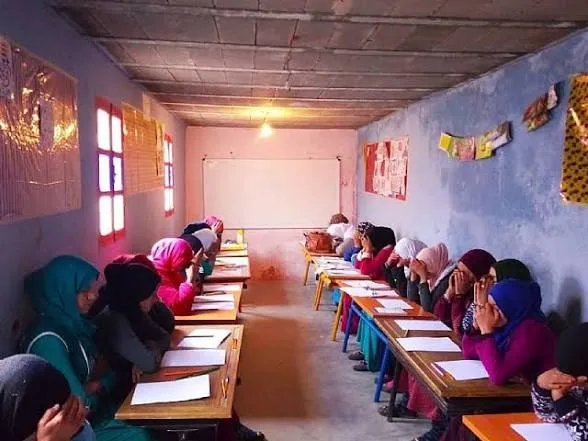
These trained facilitators became instrumental during HAF's response to the earthquake. The organization's pre-existing trust with community members facilitated an immediate deployment of 100 psychosocial empowerment workshops that benefitted over 4,000 participants, including women, men, and children from the affected areas. The IMAGINE program's activities had already laid the groundwork for addressing profound emotional pain. Exercises designed to promote relaxation and envision a hopeful future often opened avenues for participants to express long-buried fears related to poverty and harmful relationships. Similarly, exercises focusing on personal storytelling unearthed experiences of trauma that individuals had previously lacked the safe space to voice. Reflecting on these experiences, it is evident that the intersection of empowerment and trauma healing was always intrinsic to the program, ready to be harnessed in times of crisis.
In the aftermath of the earthquake, when Project HOPE approached HAF with the idea of integrating their psychosocial healing program, the team quickly recognized the parallels with their own IMAGINE methodology. While some adaptations were necessary to tailor the approach to a post-disaster context, the foundation was already firmly established, allowing for swift action. Traditional themes like work and financial stability were set aside in favor of more pressing concerns, while new exercises were introduced to foster open dialogue among participants, emphasizing the importance of collective expression in healing.
As workshops unfolded, participants began to share stories that transcended the earthquake itself. One young woman found the courage to discuss her difficult marriage, while others revisited traumatic experiences from their pasts, revealing the profound impact of the disaster on their mental health. By offering a platform for grief and emotional processing, HAF facilitated a healing journey that helped participants confront their fears and losses directly. The methodologies utilized proved effective not merely because of their structure but because they were embedded within a community that had long been prepared for such challenges.
The vital lesson drawn from Morocco’s experience is not confined to a singular approach or activity, but rather emphasizes the significance of preparedness and the timing of interventions. While immediate material aid—such as food, water, and shelter—is crucial, it is not sufficient by itself. Organizations on the ground in Venezuela are now recognizing the need to combine emergency support with psychosocial assistance, understanding that before individuals can begin to rebuild their lives, they must first be allowed to process their grief and trauma.
Moreover, the success of HAF's methodology in times of crisis underscores the importance of having a tested and trusted framework in place long before disaster strikes. Although Venezuela's existing psychosocial infrastructure may face challenges due to the broader issues affecting the country, the principles of recovery and empowerment gleaned from Morocco stand as a potential beacon of hope for the months and years to come.
As reported by realnewsmagazine.net.