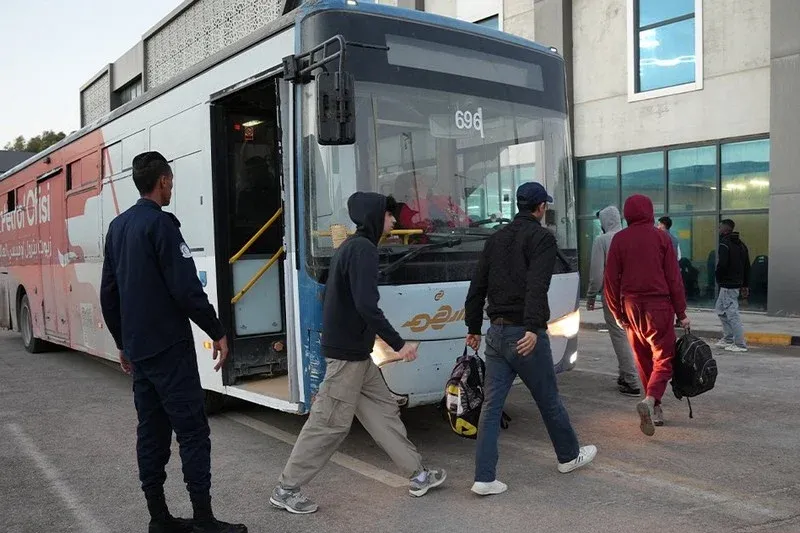

Libya's Ongoing Repatriation Initiative
The Libyan Interior Ministry has announced the deportation of a group of Moroccan migrants through Mitiga International Airport, following the completion of necessary legal procedures. This action is part of a broader initiative aimed at managing irregular migration within the country. According to a statement shared on the ministry’s official Facebook page, this operation is conducted under the Government of National Unity's national program that seeks to repatriate migrants who are residing in Libya without legal status. The ministry emphasized that these efforts are executed continuously, adhering to existing legal frameworks designed to facilitate the safe return of migrants.
In addition to Moroccan nationals, the recent deportation flights included individuals from various African and Asian countries such as Egypt, Niger, Mali, Sudan, and Syria. Interior Minister Emad Mustafa Trabelsi has previously indicated that these deportation operations are organized through specially coordinated flights, in collaboration with the embassies of the migrants' home countries, and with the assistance of international organizations dedicated to migration issues. The minister noted that thousands of migrants have been repatriated in recent months, framing the program as a critical element in bolstering national security and preventing the establishment of undocumented migrants within Libya.
Growing Concerns Among Migrant Communities
Recently, there has been a noticeable increase in anti-migrant rhetoric across Libya, with escalating calls for the expulsion of foreigners living in the country without proper documentation. This alarming trend has raised significant concerns among the Moroccan community in Libya, many of whom find themselves without residency papers. The lack of legal status is largely attributed to prolonged disruptions in consular services, the financial burden of regularizing their status, and the penalties for failing to renew residency permits. As these conditions persist, the safety and security of undocumented migrants remain precarious, prompting calls for a more compassionate and structured approach to migration in Libya.
As reported by en.hespress.com.