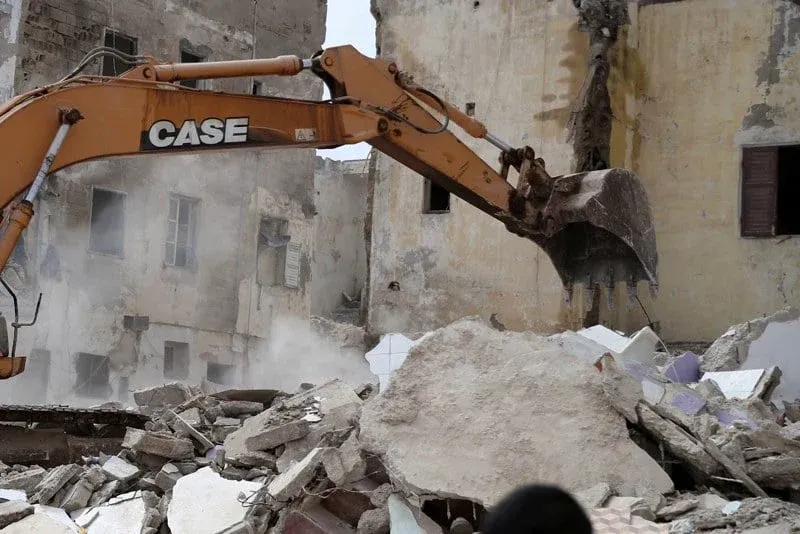

In the latest edition of "Al-Ahdath Al-Maghribiya," it was reported that regional authorities across several provinces in Morocco have begun questioning local officials regarding the reasons behind the stalled implementation of demolition orders for various buildings and structures deemed unsafe. Despite the alarming reports highlighting the danger these dilapidated structures pose to public safety, there has been a noticeable delay in executing eviction and demolition orders. This inquiry follows the issuance of technical reports that underline the urgent need for action to ensure the safety of residents and users of these buildings.
Sources indicate that the governors in the Casablanca-Settat region recently conducted verbal inquiries with local officials to ascertain the reasons for the postponement of demolition efforts outlined in the field intervention programs. Earlier this year, regional authorities in the Casablanca-Settat, Marrakech-Safi, Rabat-Salé-Kénitra, and Fes-Meknes regions had disseminated directives urging community leaders to expedite the issuance of eviction and demolition orders after new reports from inspection teams and technical laboratories classified a number of buildings as at risk of collapse.
In another significant report, the same newspaper highlighted the concerns raised by the General Coordination of Private Sector Physicians, which has called upon judicial and security authorities to launch an urgent investigation into an assault incident involving a physician while he was working in his clinic in Dar Kaddari, located in the Sidi Qasim region. The coordination emphasized the necessity of legal action against all individuals involved in this serious physical and verbal attack, which left the doctor requiring medical treatment. They stressed that such incidents pose a direct threat to the safety of health professionals as they carry out their humanitarian duties.
Additionally, "Al-Ahdath Al-Maghribiya" reported the delivery of three equipped ambulances to maternity centers in the municipalities of Isafn, Tsint, and Aqqa at the headquarters of the Tata province. This initiative commemorates the 27th anniversary of King Mohammed VI's accession to the throne and aims to enhance the health transportation system in the region, facilitating the transfer of pregnant women and ensuring urgent medical cases are addressed, particularly in remote and rural areas, thereby improving access to essential health services.
"Al-Masaa" reported on a protest march organized by residents of the Ait Mou neighborhood in the city of Mriirt, located in the Khénifra province, expressing their grievances over the severe water scarcity that families are experiencing amidst the peak summer heat. Protesters voiced their discontent with chants condemning the challenging conditions faced by the community due to the water shortage. An activist from the protest, in a statement to the newspaper, remarked that it is unreasonable for the residents of Mriirt to suffer from a critical water deficit in a region known for its abundant water table, emphasizing that denying the community their water rights amidst the alarming silence from officials is unjustifiable.
Moreover, the newspaper reported on a tragic incident where a young man in his thirties drowned in the waters of the Idriss I Dam in the province of Taounate, prompting a swift response from local authorities, the royal gendarmerie, and civil protection units. According to "Al-Masaa," the diving team successfully retrieved the victim's body, which was subsequently transported to the morgue at the Al-Ghassani Hospital in Fez under the direction of the public prosecutor's office, following the necessary inspections by the gendarmerie as part of the judicial inquiry. The body is set to undergo an autopsy to compile a medical report regarding the cause of death.
Furthermore, the labor union representing sanitation workers at the Arma Marrakech Company, affiliated with the General Union of Moroccan Workers (UGTM), has announced a series of escalating protests this week in response to what they describe as ongoing neglect of worker demands and deteriorating professional and social conditions. The union accused the company management of failing to provide the minimum health and safety standards, wage discrimination, and reliance on favoritism in internal promotions, in addition to delays in disbursing certain financial incentives. They consider these actions an infringement on the rights and entitlements of the workers.
In related news, "Bayane Al-Yawm" reported on videos and testimonies from individuals returning from attempts to cross into Ceuta, which revealed mistreatment that human rights organizations have condemned as violations of human dignity. This has reignited discussions surrounding the implications of the security approach adopted in managing irregular crossing attempts. Sources from the newspaper noted that the events accompanying the recent crossing wave have reignited debates over the respect for migrants' fundamental rights during intervention and return operations.
Finally, the newspaper also highlighted the ongoing discussions surrounding the state of Salé Beach, which resurfaces each summer as the area continues to attract large numbers of visitors, being the primary coastal outlet for a city with a population exceeding one million. Amidst persistent calls for the improvement of facilities and services, and anticipation for the adoption of a beach management and use plan (PUGP), this seaside space faces the challenge of upgrading its infrastructure and amenities to meet the needs of its visitors and enhance its appeal as a coastal destination for the city.
As reported by hespress.com.