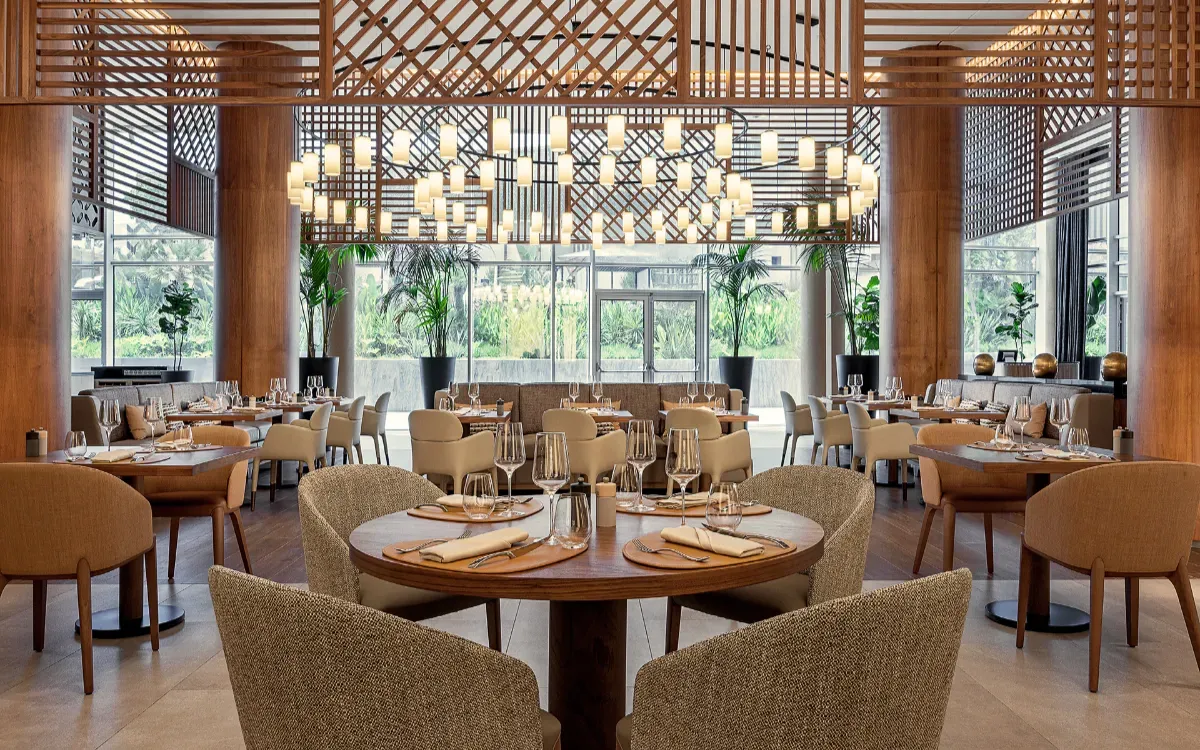

Are Luxury Restaurants in Rabat Hiding Behind Technical Issues?
On April 8, 2026, an alarming trend has emerged in the upscale neighborhoods of Morocco's capital, Rabat, where many high-end restaurants are refusing to accept credit card payments. Citing technical malfunctions, these establishments appear to be engaging in a widespread practice that primarily aims to evade tax controls, thereby penalizing tourists who are unaccustomed to this cash-only policy. In popular districts such as Agdal and Hay Riad, the phrase "the device is down; cash payments only" has become a common refrain. According to reports from bladi.net, this situation affects numerous luxury restaurants that proudly claim to be modern and forward-thinking. This systematic refusal to accept electronic payments comes at a time when Morocco is rapidly digitizing its services in preparation for major global events.
Consumer Rights and the Cash Dependency in Morocco
For many observers, the barrier to accepting card payments is not merely technical but fundamentally financial. Credit cards leave a digital footprint that necessitates a transparent declaration of revenue, which some restaurateurs seem reluctant to disclose. One regular patron of Hay Riad expressed his frustration, stating, "It is illogical to find a classified restaurant where the bill exceeds 500 dirhams, only to be told to pay in cash. The excuses are always the same: network failure or the device is under repair." This heavy reliance on cash not only tarnishes the tourist image of Rabat but also forces international visitors to search for ATMs late at night, adding unnecessary stress to their dining experience.
Consumer protection associations have condemned this practice as a "commercial deception," highlighting that even though Bank Al-Maghrib has lowered transaction fees to encourage electronic payments, some establishments prefer to operate in a fiscal gray area at the expense of customer rights. This trend of cash dependence, which accounts for a staggering 30% of Morocco's Gross Domestic Product (GDP), stands in stark contrast to the global push towards digital payment solutions. Current statistics from Bank Al-Maghrib reveal that the volume of cash in circulation reached 475 billion dirhams by the end of October 2025, with cash transactions making up 77% of all national transactions. Such a phenomenon is entrenched by socio-cultural factors and the considerable influence of the informal economy.
As reported by bladi.net.