
Spanish Government Responds to Migration Crisis
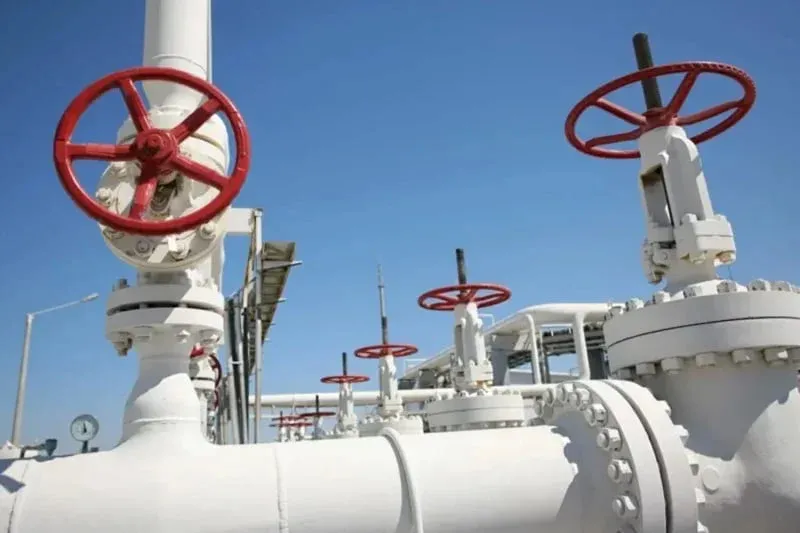
The Spanish government has faced scrutiny regarding its response to a recent migratory crisis in Ceuta, leading to speculation about potential economic sanctions against Morocco. On Tuesday morning, Spanish public television TVE reported that the government, led by Pedro Sánchez, was contemplating an 'emergency plan' that could include halting gas exports to Morocco in the event of repeated migratory influxes into Ceuta. This alarming news circulated rapidly through various Spanish media outlets, prompting immediate denials from the government.
Later that same evening, sources from the Moncloa Palace categorically refuted the existence of any reports concerning energy dependency assessments regarding Rabat. According to these sources, "We completely deny the existence of a plan or report regarding an alleged emergency plan against Rabat. This information is false." Another Spanish media outlet confirmed, through a governmental source, that no economic retaliation plan against Morocco had been drafted.
Furthermore, the social media accounts of the program 'Mañaneros 360' have since deleted posts related to these supposed revelations about Sánchez's plan to 'punish' Morocco. Prior to these claims, the program aired a segment on August 14 discussing Morocco's energy dependency on Spain, highlighting that "90%" of gas exports to the kingdom transit through Spain via the Maghreb-Europe gas pipeline. Indeed, Morocco stands as the primary client of Spain's regasification units.
In November 2023, representatives of the Moroccan employers' association in the Chamber of Councillors had already raised concerns about this energy dependence and called for the establishment of a regasification unit within Morocco. The potential ramifications of such a dependency remain a pressing matter, especially in light of the current migratory challenges facing Ceuta.
As reported by yabiladi.com.