
The Growing Significance of the Port of Casablanca
The Port of Casablanca continues to solidify its status as one of Africa's most crucial maritime hubs, with cargo volumes reaching impressive heights in 2026. During the first half of the year alone, the port processed a remarkable 17 million tons of cargo, reflecting a robust increase in trade activities. Specifically, June witnessed an influx of 3.53 million tons, marking a substantial 32% rise compared to the same period in 2025, as reported by the National Ports Agency (ANP). This surge in traffic underscores the port's critical role, as it accounts for approximately 35% of Morocco's total port traffic. However, this increased volume also brings about challenges, including frequent congestion and limited operational flexibility, compelling major shipping players like Maersk to rethink their logistics strategies.
Maersk's Strategic Integration of Tangier and Casablanca
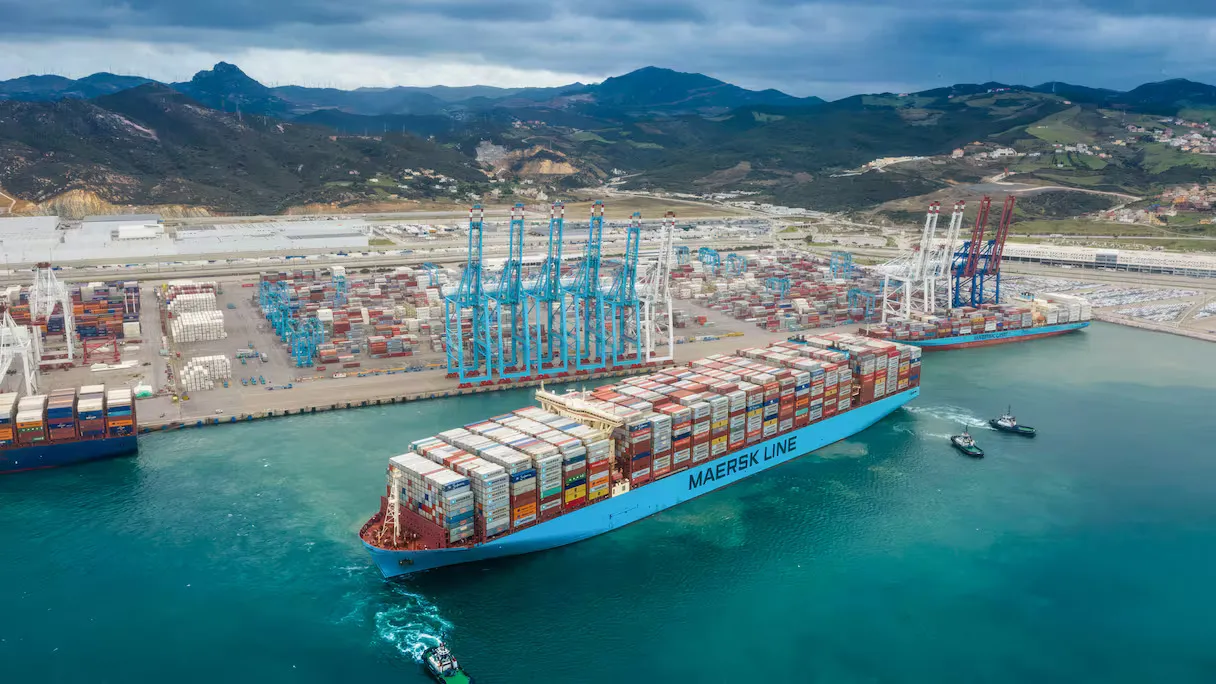
In response to these challenges, Maersk has strategically repositioned Tangier as the primary maritime entry point into Morocco, establishing a high-frequency rail service that connects it directly to Casablanca. This initiative aims to offer customers a faster and more reliable transportation option, enhancing their control over supply chain flows. By integrating these two vital ports, Maersk seeks to provide supply chain managers with improved reliability, flexibility, and efficiency in managing their logistics. The rail service, which became fully operational in August, boasts regular departures and predictable transit times, enabling businesses to optimize inventory management and planning while ensuring the smooth movement of goods.
Furthermore, this rail corridor has significant implications for trade between Morocco and Europe, fostering a more resilient and diversified logistics network. It reduces the reliance on any single transport mode, thereby enhancing overall operational flexibility. According to Ruben Moratinos, Maersk’s Head of Sales Maghreb, this integration addresses a common concern among customers who seek simpler and more efficient ways to transport cargo into Morocco’s commercial hub. The combined capabilities of Tangier and Casablanca not only provide broader access to global trade networks but also offer businesses the adaptability necessary for growth in an evolving marketplace.
As trade flows continue to expand, Maersk anticipates that this innovative approach will alleviate congestion at busy gateways while delivering the operational control that is essential for future growth in Morocco and beyond. The Tangier-Casablanca corridor effectively marries Tangier’s global connectivity with Casablanca’s industrial strength, creating a seamless and integrated transport solution for businesses operating in the region.
As reported by moroccoworldnews.com.