
Revolutionizing Logistics: Maersk's New Rail Solution
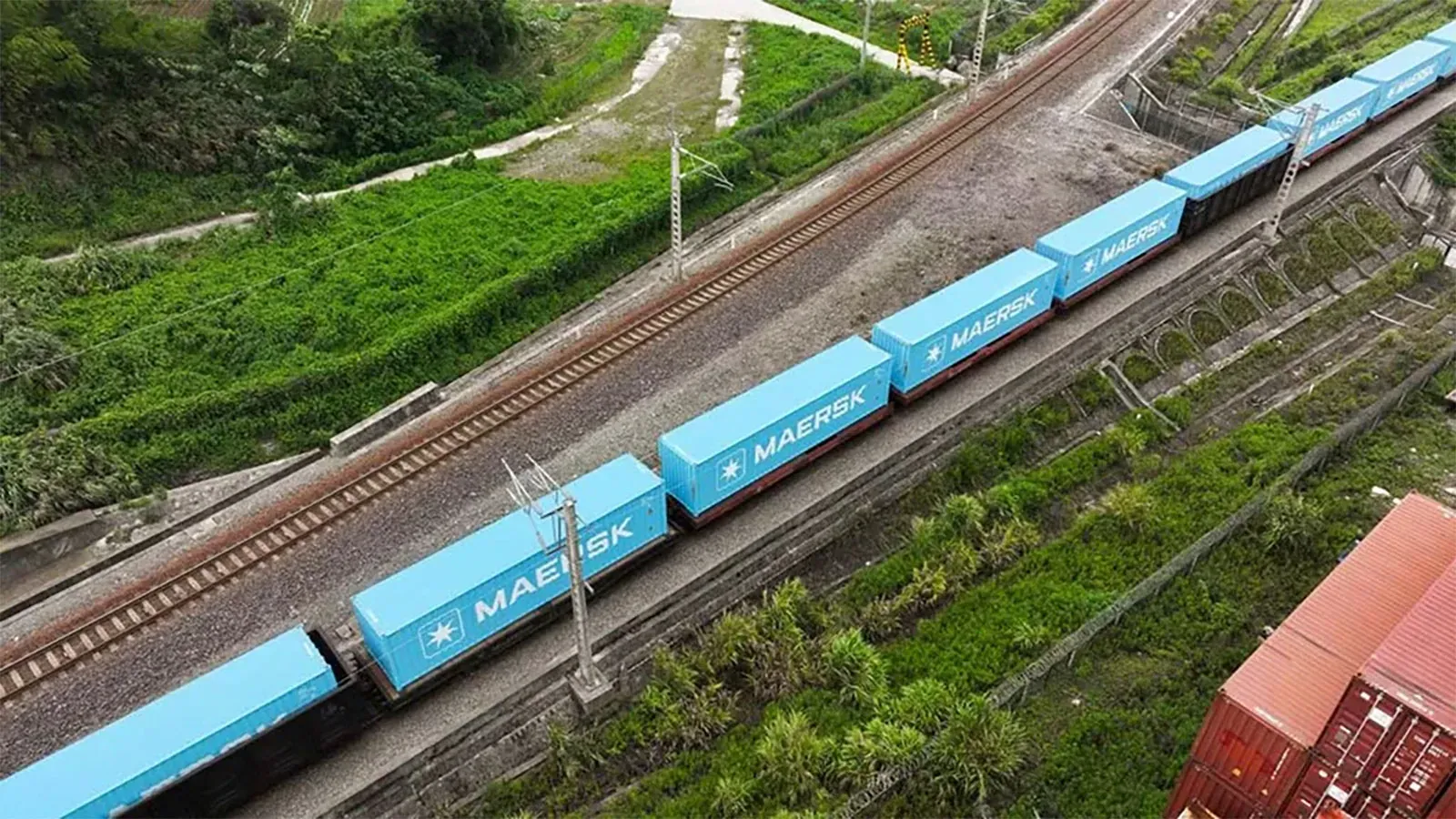
Maersk has recently implemented a groundbreaking logistics solution that integrates the entry of goods through Tangier with subsequent rail transfers to Casablanca. This initiative is part of a strategic effort to utilize the Strait enclave as a maritime gateway for specific freight destined for Morocco's primary industrial and commercial hub. By establishing this corridor, the company aims to reduce reliance on direct entry through the Casablanca port, thereby enhancing the consistency of domestic logistics flows.
As of August 14, Maersk announced that the rail service connecting Tangier and Casablanca is fully operational, featuring regular departures. The logistics giant combines maritime transport to Tangier with rail connectivity to Casablanca while also offering customs clearance, warehousing, and road transportation services for final delivery of goods. This comprehensive approach aims to streamline the supply chain process, making it more efficient and reliable.
Context and Growth of Casablanca's Port Activity
This initiative comes at a time of significant growth in activity at the Casablanca port, which handled approximately 17 million tons of cargo in the first half of 2026, reflecting a 7% increase compared to the same period last year, according to data from the National Ports Agency of Morocco (ANP). In June alone, traffic exceeded 3.53 million tons, a remarkable rise from the 2.68 million tons recorded in June 2025, marking an impressive 32% annual increase.
Casablanca plays a pivotal role in Morocco's port system, given its connectivity to the country's major industrial and consumer zones. Maersk estimates its share of the national port traffic to be around 35%, emphasizing that the concentration of volumes can lead to congestion and limit the adaptability of supply chains. To address these challenges, Maersk aims to leverage Tangier's maritime connectivity, facilitating the transfer of containers to Casablanca via rail. This strategy effectively separates the maritime entry point from the commercial destination, utilizing different infrastructures within the same transport chain.
Tangier stands as one of the principal transshipment hubs in the western Mediterranean, boasting connections with various international services offered by Maersk. The company maintains maritime departures from Moroccan ports including Tangier, Casablanca, and Agadir, employing the strategically located enclave in the Strait for multiple international shipping lines. The newly established rail link aims to provide predictable transit times between Tangier and Casablanca, thereby aiding businesses in stock planning and supply chain management.
While Maersk has not publicly disclosed the exact frequency of train services, capacity per departure, or precise transit times, it characterizes the service as high-frequency with regular departures between the two locations. The model also encompasses various options for customs management, interior storage capacity, and truck distribution to final destinations. In this manner, Maersk markets the rail connection as part of an integrated service that commences with maritime transport and transitions into land operations within Morocco.
Ruben Moratinos, the Sales Manager for Maghreb at Maersk, indicated that this proposal addresses the challenges reported by clients in moving goods to Casablanca. According to Moratinos, the combination of Tangier and Casablanca provides greater alternatives for organizing supply chains and accessing the country's main commercial center from the company’s international maritime network. Maersk is already developing additional intermodal services related to Morocco and southern Europe, including the Morocco Bridge, which combines roll-on/roll-off and rail connections, accommodating 45-foot high cube pallet-wide containers for certain palletized freight.
The Tangier-Casablanca connection extends this strategy into the Moroccan domestic transport landscape. Utilizing rail provides an additional avenue apart from exclusively road-based transport, offering shippers another option for arranging the arrival of goods in Casablanca, especially when port operational conditions experience higher occupancy levels. Maersk has included this corridor in its August 2026 European market update, indicating that it employs land solutions to mitigate congestion effects at Casablanca. The shipping company positions Tangier as the maritime entry point in this framework before transferring goods by rail to the Casablanca region.
As reported by elestrechodigital.com.