
Maersk's Strategic Shift to Alleviate Congestion in Casablanca
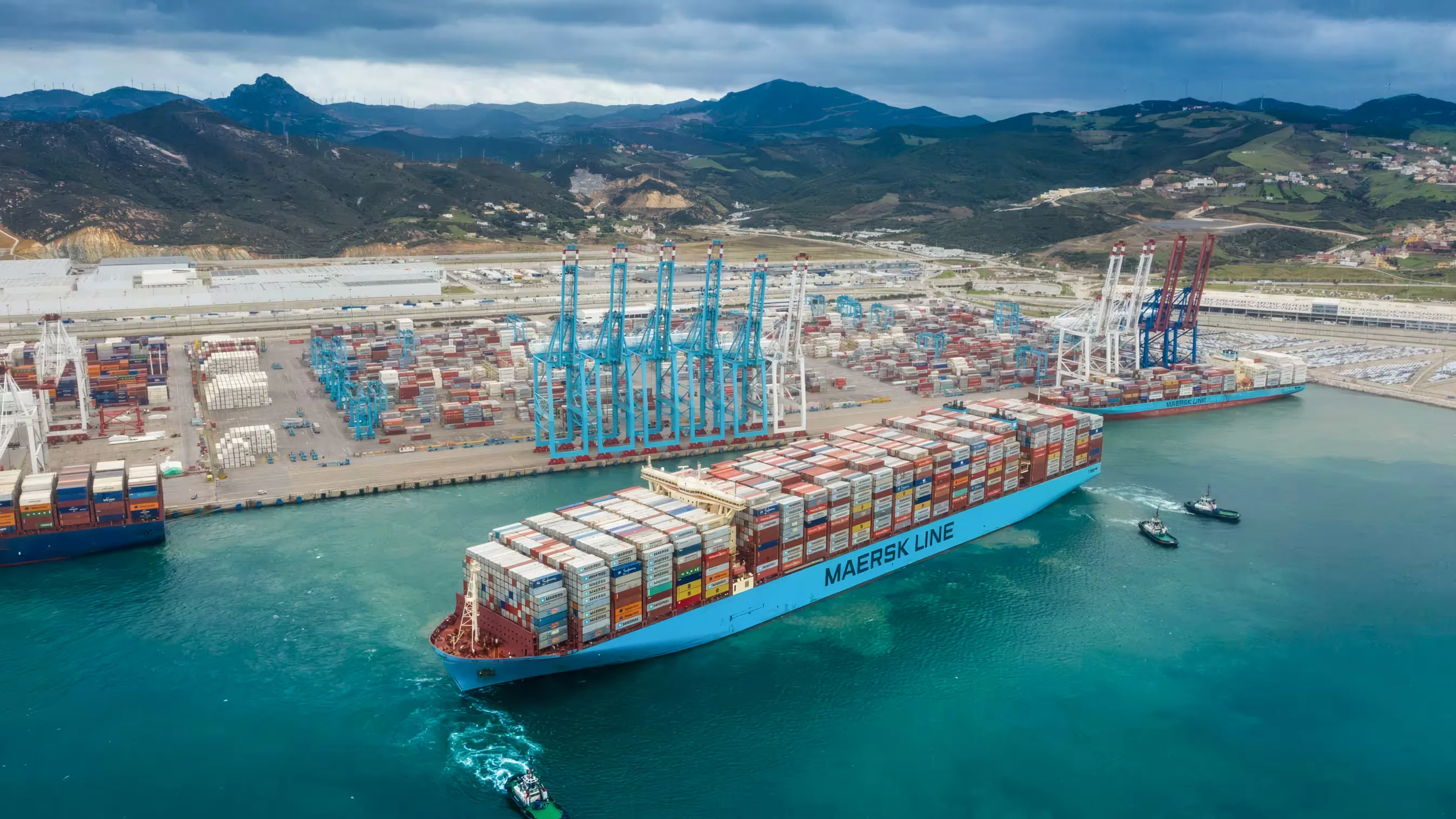
In response to the persistent congestion affecting the Port of Casablanca, Danish shipping giant Maersk has embarked on a significant restructuring of its logistics operations in Morocco. The company has designated the Tanger Med port complex as its primary maritime gateway, effectively linking it to the economic heart of the country through a high-frequency rail corridor. This strategic move aims to provide a comprehensive solution to the operational challenges faced at the Casablanca port, which has been grappling with frequent traffic jams and limited operational flexibility as commercial activity continues to rise.
Recent data from the National Ports Agency (ANP) revealed that the Port of Casablanca handled an impressive 3.53 million tons of freight in June alone, marking a substantial 32% increase compared to the same month in 2025. While Casablanca remains a critical hub, accounting for approximately 35% of national port traffic, the newly developed alternative routing scheme is designed to ensure the smooth flow of supplies to this economic center.
Integrating Logistics for Enhanced Efficiency
By establishing a direct connection between Tanger Med’s global infrastructure and Casablanca’s industrial and commercial sectors via rail, Maersk is effectively merging these two critical logistics hubs into a unified platform for shippers and logistics providers. This innovative offering includes a comprehensive network of fully operational rail connections, ensuring regular departures and predictable transit times, which are essential for managing inventory and custom-tailored land services. Furthermore, the logistics framework encompasses customs clearance processes, warehousing capabilities, and last-mile road transport, all centralized for efficient tracking from international departure to final delivery.
Beyond serving the domestic market, the Tanger-Casablanca rail corridor also serves as a strategic outlet for international trade between Morocco and Europe. By diversifying transportation modes and reducing reliance on traditional maritime and road networks, Maersk enhances the agility of supply chains. This integrated approach is particularly important in the context of the ongoing growth in maritime trade, as it seeks to alleviate congestion at overloaded transit points while providing the necessary predictability to support Morocco’s industrial expansion.
As reported by fr.le360.ma.