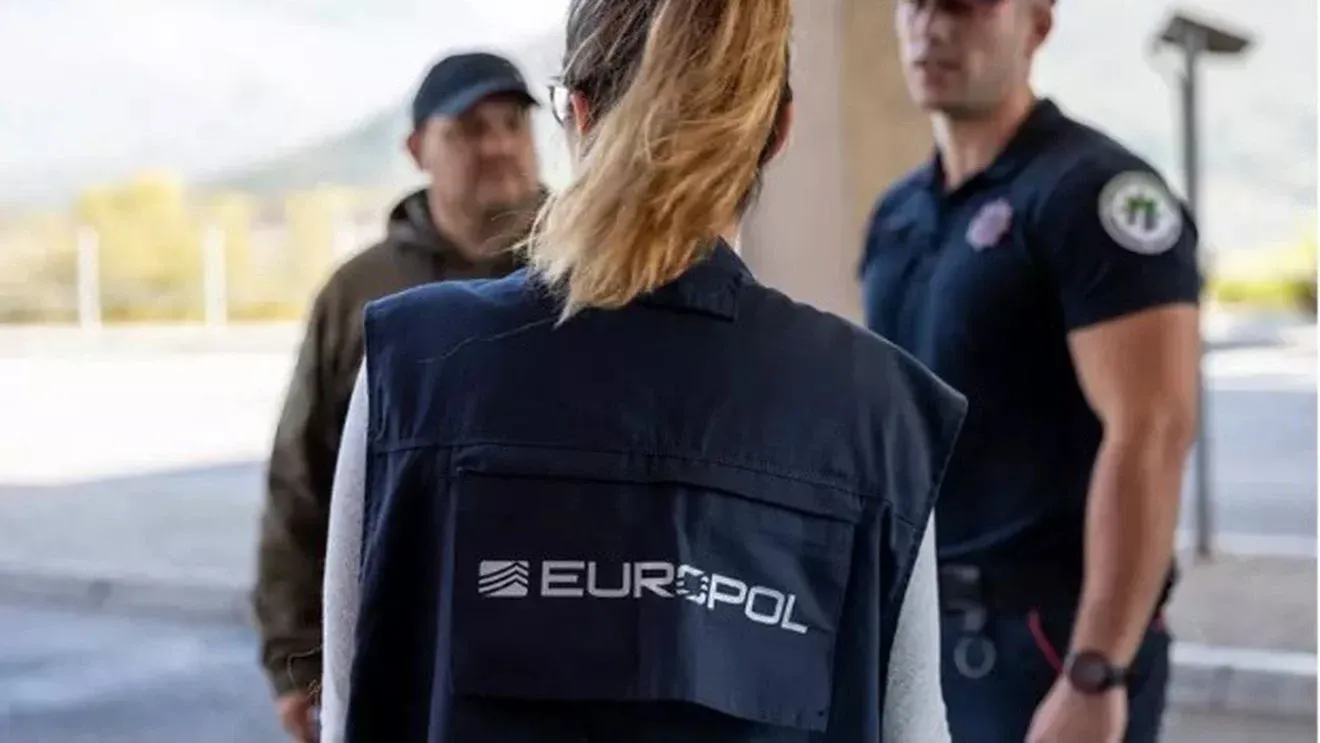

On July 6, 2026, Morocco's Central Bureau of Judicial Investigations (BCIJ) announced the dismantling of a significant cell affiliated with the Islamic State in the Sahel region. This extensive operation resulted in the arrest of ten suspects across seven Moroccan cities, including major urban centers such as Casablanca and Agadir, as the group was allegedly preparing attacks against sensitive sites.
Key Developments in the Operation
The operation, which took place on July 6, 2026, saw the BCIJ conduct simultaneous raids in Agadir, Taroudant, Casablanca, El Hajeb, Tétouan, Fkih Ben Salah, and Safi. Of the ten individuals apprehended, nine adults were placed in custody, while a minor was subjected to judicial supervision. This decisive action was based on intelligence provided by the General Directorate for Territorial Surveillance (DGST).
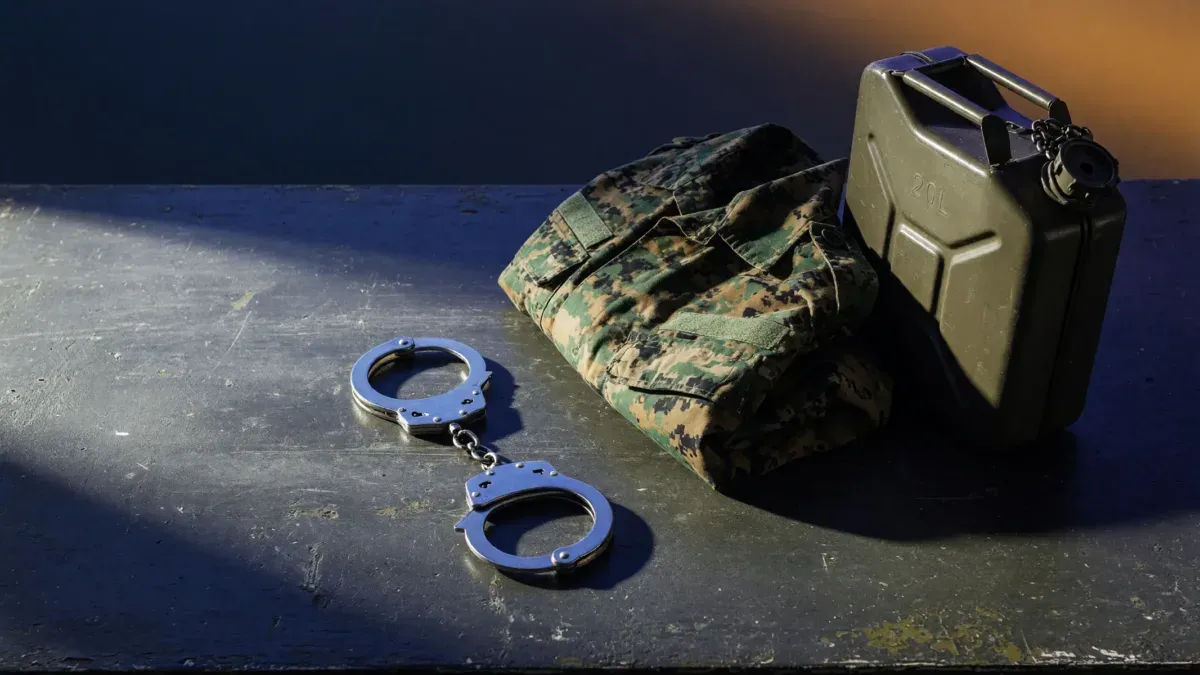
During the investigations, authorities uncovered a substantial cache of homemade weaponry at a warehouse in Inzegane, near Agadir. The seized items included a modified 4×4 vehicle, gas canisters, pressure cookers, and various chemicals intended for explosive manufacturing. Additionally, investigators found bladed weapons and military-style clothing, suggesting that the suspects had advanced plans targeting critical sites within the country. However, the specific nature of these intended targets has not been disclosed at this time.
International Support and Regional Security Concerns
The dismantling of the cell has drawn official reactions from several Arab nations. Countries including Qatar, the United Arab Emirates, Kuwait, and Jordan expressed their solidarity with Morocco, condemning the planned attacks. Such diplomatic support is typical during major counterterrorism operations in Morocco, which is recognized as a pivotal partner in regional security cooperation.
The BCIJ, which operates under the General Directorate of National Security, has been tasked with coordinating counterterrorism investigations across Morocco. The affiliation of the dismantled cell with the Islamic State in the Sahel and Sahara (ISSP) highlights a broader regional concern regarding the expansion of jihadist networks from the Sahel into North Africa. Morocco, collaborating closely with France on security and judicial matters related to counterterrorism, is frequently cited by Western governments as a key player in monitoring Sahelian threats. This situation serves as a reminder that the danger posed by ISIS extends beyond conflict zones, affecting European partner nations with significant economic and human connections.
As investigations continue, Moroccan authorities have yet to release a timeline for any judicial proceedings or a detailed list of the targeted sites. The nine adults remain in custody, as is customary in terrorism-related cases in Morocco, while the minor's judicial future will depend on the ongoing investigation's progress. The case may expand to include additional suspects or regions within the kingdom as more connections are revealed.
As reported by info.fr.