
Groundbreaking Gas Pipeline Project to Enhance Energy Security in Africa
Morocco and Nigeria are on the brink of signing an international governmental agreement this year to initiate a monumental gas pipeline project that traverses West Africa. This project is regarded as a pivotal step in strengthening energy security and economic integration across the continent. Amine Benkhadra, the Director General of the National Office of Hydrocarbons and Mines, disclosed to Reuters that this strategic initiative, known as the "African Atlantic Gas Pipeline," has made substantial progress after completing feasibility studies and preliminary engineering designs, thereby paving the way for actual implementation.
Details of the Pipeline and Its Economic Impact
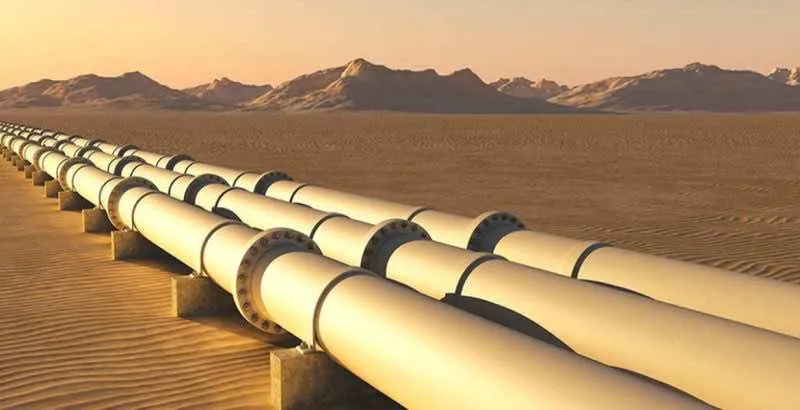
The anticipated pipeline will stretch nearly 6,900 kilometers, combining both marine and land routes, with a remarkable capacity to transport 30 billion cubic meters of gas annually. Approximately half of this capacity is expected to cater to domestic demand in Morocco, while the remainder will be directed towards export markets, particularly in Europe. The project has garnered significant regional support, especially from the Economic Community of West African States (ECOWAS), which plans to establish a high-level body in Nigeria to oversee the project's coordination. This body will include government representatives from the 13 participating countries to ensure effective political and organizational collaboration among all stakeholders.
Moreover, a joint venture company will be created in Morocco, merging the National Office of Hydrocarbons and Mines with the Nigerian National Petroleum Corporation to lead the financing, construction, and operational phases of the project. This initiative is expected to serve as a robust catalyst for economic development in West African nations by enhancing electricity production, expanding the industrial base, and boosting mining activities. Additionally, it will solidify Morocco's position as an energy hub connecting Africa to Europe.
The project will be executed in phases, with the first phase linking Morocco to gas fields in Mauritania and Senegal, as well as connecting Ghana to the Ivory Coast, before finalizing the connection with Nigerian fields in the last phase. According to available data, the first gas supplies are expected to commence by 2031, marking this initiative as one of the most anticipated energy projects in the continent over the next decade.
As reported by alyaoum24.com.