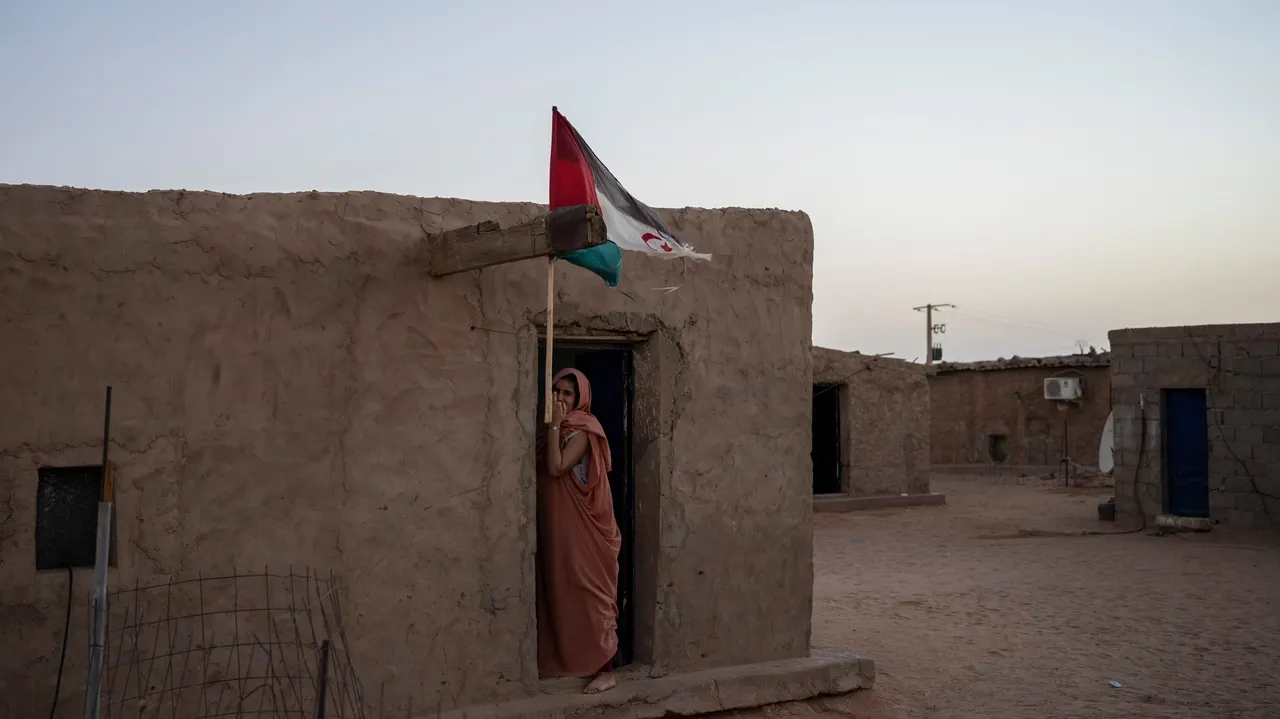

Mali's Shift in Stance on Western Sahara
In a significant diplomatic turn, Mali has officially expressed support for Morocco's proposal to grant autonomy to Western Sahara, a contentious territory historically claimed by both Morocco and the Sahrawi Arab Democratic Republic (SADR). This endorsement marks a decisive shift in Mali's foreign policy, as it withdraws its previous recognition of the SADR, a move that underscores deepening ties with Morocco amid a backdrop of evolving geopolitical dynamics in the region.
The announcement was made by Mali's transitional government, which articulated its position through a statement from the Ministry of Foreign Affairs. The government emphasized that it views Morocco's autonomy plan as the most viable and credible solution to a conflict that has persisted for decades. The statement highlighted the belief that genuine autonomy, while remaining under Moroccan sovereignty, represents a realistic pathway towards resolving the ongoing disputes over the territory. This stance aligns Mali with a growing number of African nations, as well as support from the United States under the Trump administration and numerous European Union member states.
The Context of the Western Sahara Conflict
Western Sahara, a region rich in phosphate resources and comparable in size to Colorado, was a Spanish colony until 1975 when Morocco annexed the territory. The region is currently contested by Morocco and the Polisario Front, which claims to represent the indigenous Sahrawi people. The United Nations Security Council has previously recognized Morocco's autonomy proposal as a credible foundation for negotiations aimed at resolving this long-standing conflict. However, the absence of a clear resolution regarding the territory's final status, particularly the exclusion of an independence referendum favored by the Polisario Front and its allies, remains a contentious issue.
In recent years, Western Sahara has garnered attention as an emerging investment hub, attracting interests from both European and American companies looking to engage in sectors such as fishing, agriculture, and renewable energy projects. These developments point towards a complex interplay of economic potential and geopolitical maneuvering, as Mali's recent endorsement of Morocco's autonomy plan could signal a new chapter in the region's political landscape. The situation continues to evolve, and the implications of Mali's support are likely to resonate across international relations in North Africa.
As reported by newsday.com.