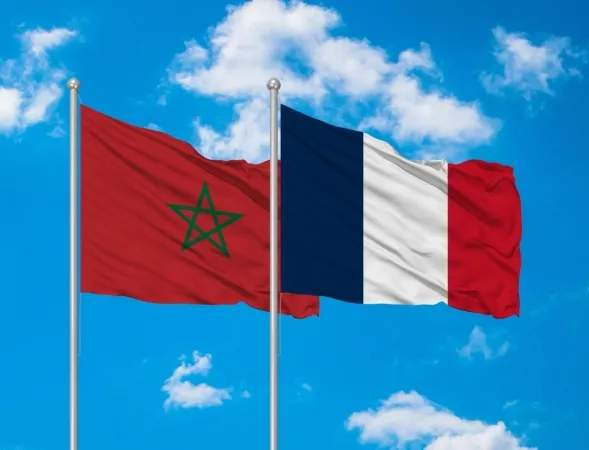
Scheduled for June 4 to 6, 2026, the Marrakech Comedy Festival is poised to redefine the cultural power dynamics within the Francophone world. Morocco is no longer a mere spectator of its own cultural exports to Europe; it is taking proactive steps to reclaim its narrative and influence. This initiative is particularly significant given the current cultural influence crisis faced by France, alongside rising diplomatic tensions in the Sahel region. Morocco is leveraging soft power strategies to solidify its status as a regional leader, utilizing humor as a medium to reassert its cultural identity and creativity, which has historically remained under French oversight.
Cultural Reclamation Through Laughter
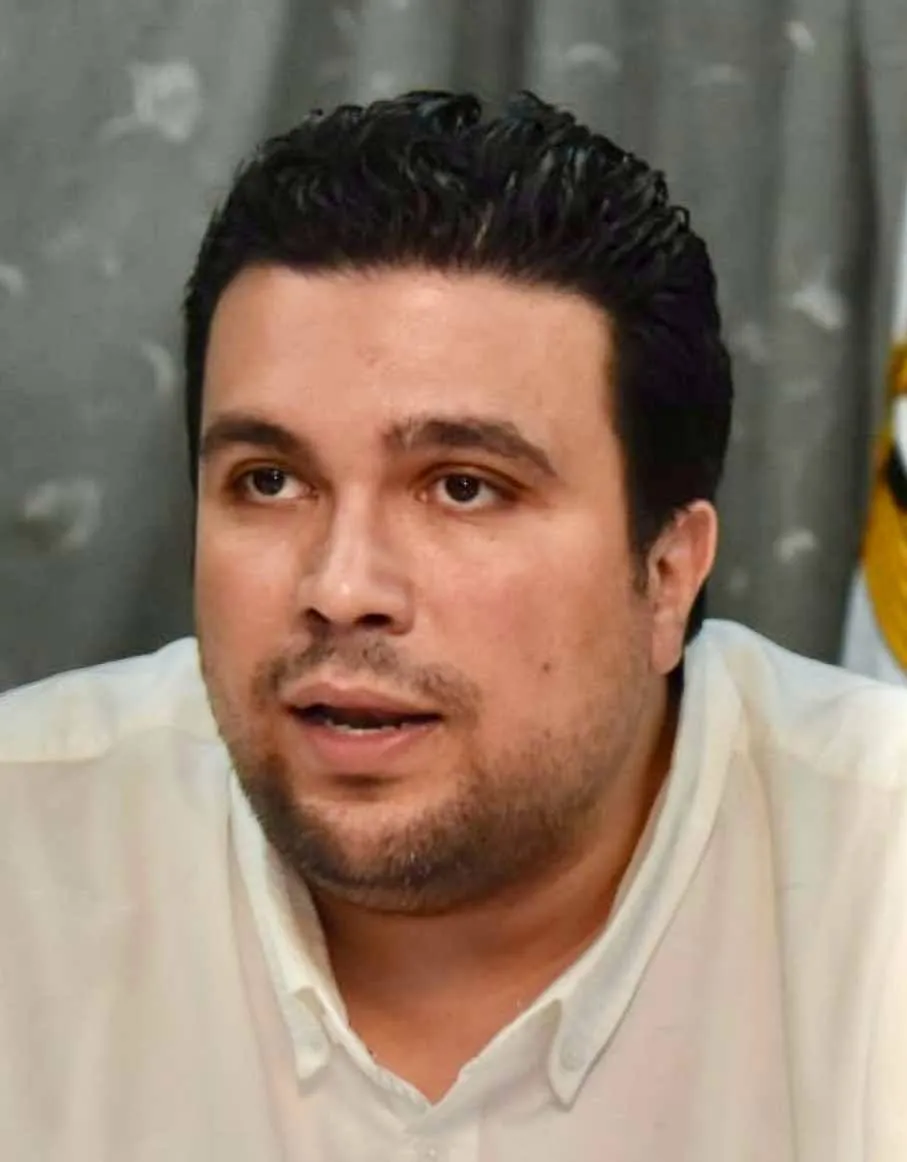
The inception of the Marrakech Comedy Festival is not merely a cultural event; it is a strategic geopolitical maneuver. By appointing Malik Bentalha as the artistic director and collaborating with established figure Karim Debbouze, Morocco is not only curating an entertainment spectacle but is also repatriating its talent. This move represents a broader cultural reclamation effort, as for decades, North African comedians had to migrate to Paris to achieve success. Now, Rabat is offering a credible platform for these artists to flourish on home soil. The underlying message is clear: why remain dependent on the French entertainment industry when Morocco can cultivate its own vibrant creative scene?
The festival’s bilingual Arabic-French programming reflects a deeper ambition to bridge two cultural worlds that have historically been divided by colonialism and migration. By fostering connections between Francophone and Arabophone artistic expressions, the festival repositions Morocco as a natural cultural crossroads, a role that has traditionally been contested by Algeria and Tunisia.
Disney+ and the Media Influence Battle
The partnership with Disney+ to broadcast a Francophone gala marks a significant strategic milestone. This will be the first time a French comedy show is streamed from Morocco on this American platform, symbolizing a shift in the cultural relationship where Marrakech is bypassing Paris in its dealings with global streaming giants. This alliance, along with partnerships with TV5 Monde and 2M, is creating a new media landscape where Morocco is not merely subject to European editorial choices but is actively shaping them. The relocation of NRJ France with Camille Combal further confirms this shift in power dynamics: Paris is now looking to Marrakech, rather than the other way around.
However, this strategy is fraught with risks. By aligning with Western platforms, Morocco may face accusations of cultural neo-colonialism from its African neighbors, particularly from those in the African Economic Community (AEC) who advocate for a more radical break from Western influences.
For Maghreb and African artists, the festival represents an unprecedented opportunity to gain visibility without relying on traditional Parisian circuits. Yet, it also raises concerns about a potential brain drain, where creative talents may gravitate towards Morocco, leaving other regional countries at a disadvantage. Algeria and Tunisia, grappling with their own economic challenges, view Morocco's talent acquisition with apprehension, fearing a widening gap between a culturally vibrant Morocco and its neighbors.
This festival is part of a larger Moroccan strategy to position itself as a cultural powerhouse in Africa. As West Africa undergoes political radicalization, Morocco relies on cultural attractiveness to maintain its continental influence. The Francophone aspect of the festival is particularly strategic, as it seeks to inherit the waning French cultural influence in Africa but under Moroccan control. This bold gamble could significantly alter regional geopolitical balances.
The timing of the festival is also noteworthy, as June 2026 coincides with the preparations for the 2026 World Cup, which Morocco is co-hosting. Thus, humor serves as a precursor to Morocco's capability to host large-scale global events. Ultimately, a fundamental question remains: will the Marrakech Comedy Festival truly liberate Maghreb cultural creation, or will it merely shift dependency from Paris to Marrakech?
As reported by maliactu.net.