
Celebrating 200 Years of Photography in Marrakech
From October 7 to 10, the Marrakech Photography Encounters will commemorate two centuries of photographic history. However, the sixth edition of this festival is primarily focused on the present, exploring dynamic exchanges between Morocco and China, critical reflections on the East, and showcasing the work of both diaspora photographers and a new generation of Moroccan talent. This year's theme challenges the traditional notions of who observes and who is observed, encouraging a dialogue that transcends borders and perspectives.
A Rich Tapestry of Perspectives
The bicentennial celebration of photography serves as a compelling backdrop to address a pivotal question: what unfolds when gazes intersect? The exhibition titled “Crossed Gazes: China/Morocco”, showcased at the Palais Bahia, exemplifies this concept through a unique photographic exchange between Chinese artist Qi Hao and Moroccan photographer Noureddine El Warari. This initiative invites Moroccan artists to capture the essence of China while Chinese photographers turn their lenses towards Morocco, immersing themselves in its landscapes, light, and daily life. This exchange transcends mere cultural sharing, as each participant simultaneously adopts the roles of observer and observed, enriching the narrative and broadening the understanding of both cultures.
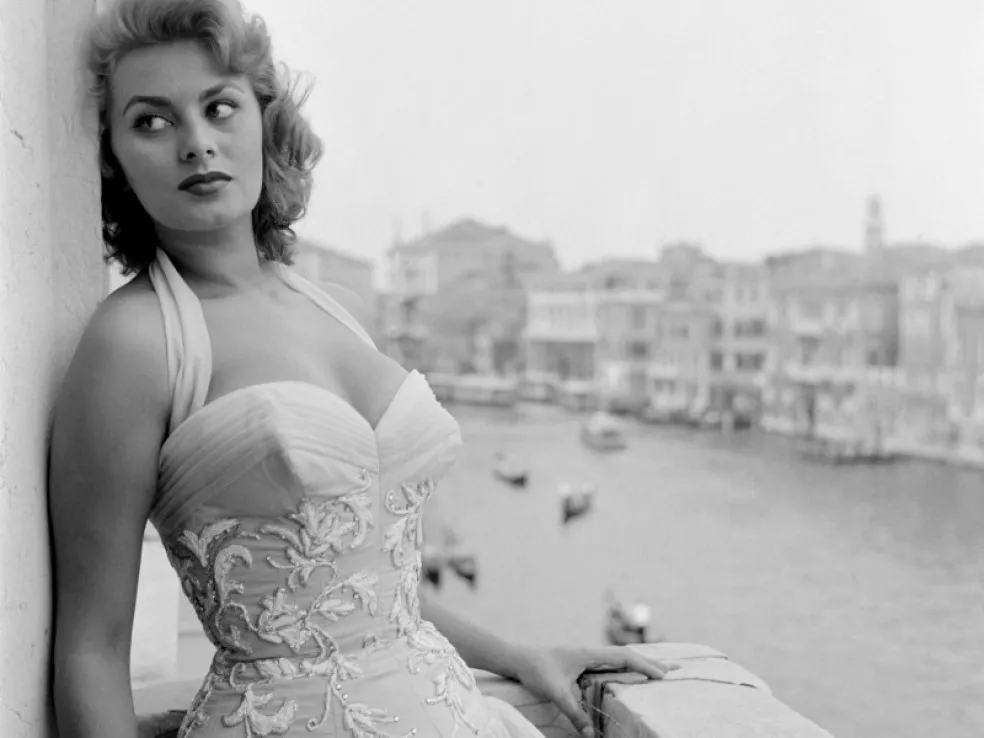
Italy, as a guest country, deepens this reflective process by examining heritage and memory through photography. Massimo Listri's work focuses on the palatial architecture of Italian institutions in Tangier, serving as a documentary of the historical connections across the Mediterranean. The festival will also feature a selection of Listri's photographs, coinciding with the release of a book dedicated to this project. Additionally, Graziano Arici's series “Bellissima” revisits the cinematic icons of the 1950s and 1960s, including legendary figures like Sophia Loren and Brigitte Bardot, capturing the essence of an era marked by the evolution of celebrity. In a different vein, Priamo Tolu's photography intertwines with music, showcasing the faces and moments of jazz legends such as Miles Davis and Dizzy Gillespie, isolating the emotion and intensity of performance while the larger concert experience recedes into the background.
The festival also highlights the contributions of artists from the Moroccan diaspora, presenting a rich tapestry of photographers whose narratives unfold across multiple landscapes. Canadian photographer Cynthia Cooper's work, titled Tombouctou, melds photography with mixed media, transforming the Malian landscape into a poignant archive of memory that resonates with the broader African diaspora experience. This exploration of identity and heritage further emphasizes the festival's commitment to showcasing diverse perspectives.
Moreover, the festival's open call for submissions has unearthed a vibrant new generation of Moroccan photographers, with twenty projects selected for presentation. Notable names such as Hiba Baddou, Ali Berrada, Najwa Benchebab, Said Hammouch, Yasmine Hatimi, and Yasmine Laraqui represent a burgeoning scene that is not merely a reflection of external influences but one that actively shapes its own narratives and visual storytelling.
Over the course of four days, various venues, including the Palais Bahia, the Yves Saint Laurent Museum, and the Moroccan Culinary Arts Museum, will host a plethora of photographic works, inviting audiences to engage with the medium in diverse contexts. Two centuries after its inception, photography has arguably never been as reliant on the perspective of the individual behind the camera as it is on the chosen viewpoint of the subject. In Marrakech, from October 7 to 10, the cameras will capture a multitude of angles, and it is this convergence of gazes that will render the city’s most contemporary image.
As reported by lecourrierdelatlas.com.