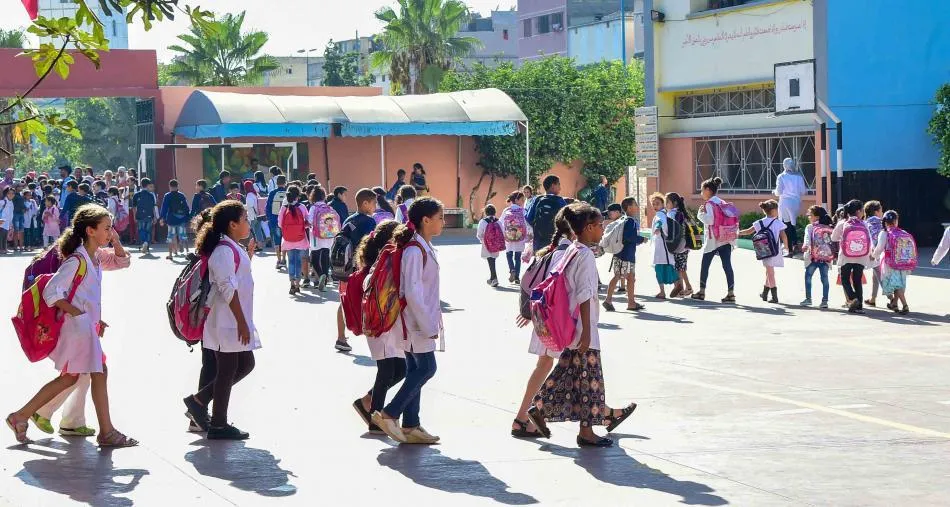

The Regional Academy for Education and Training in the Marrakech-Safi region hosted its inaugural annual forum for Second Chance Schools on Thursday, themed "Together We Create a New Opportunity... and Build a Better Future." This event comes at a time when the number of beneficiaries is projected to increase to 4,000 for the upcoming academic year. The forum served as a formal occasion to review the achievements related to the implementation of the Second Chance Schools program, highlighting the significant transformations that have taken place within this reform initiative. It emphasized the profound impact these schools have had on reshaping the educational and professional paths of numerous children and young adults who have found in Second Chance Schools a new window to learning, a nurturing space to regain self-confidence, and a renewed commitment to a more stable and productive life.
Atika Azoulay, head of the Educational Institutions Management Promotion Department at the Marrakech-Safi Academy, pointed out that the organization of this forum aligns with the implementation of royal directives and reflects the goals outlined in the 2022-2026 roadmap. This roadmap prioritizes combating school dropout rates, ensuring equity and equal opportunities, and enhancing human capital as strategic pillars for educational reform.
During the forum, participants discussed the foundational references guiding this national initiative and examined indicators associated with the phenomenon of school dropout in the Marrakech-Safi region. They highlighted the proactive approach adopted by the academy to address this issue through a comprehensive system that includes early detection, individual support, educational and psychological assistance, active school life, and the mobilization of families and partners.
Expansion of Beneficiaries
Regarding the regional outcomes of the Second Chance Schools program, Azoulay noted that the region comprises 21 centers, serving over 2,400 beneficiaries. This initiative operates within a broad network of institutional and associative partnerships, achieving an integration rate of 76% within formal education pathways, while the integration rate into the job market, vocational training, and income-generating projects reached 88%.
During the meeting, new developmental proposals were revealed, aiming to expand the network of Second Chance Schools to 46 centers beginning in the 2026-2027 academic year. This expansion is expected to raise the capacity to accommodate over 4,000 beneficiaries. Plans include establishing transitional classes in leading middle schools, launching digital classrooms in remote areas, and engaging with penitentiary institutions, all of which will enhance spatial justice and reinforce the principle of equal opportunities, broadening the reach of those deserving a new chance to build their future.
Institutional Integration
The forum featured contributions from the public prosecutor at the Marrakech Court of First Instance, representing the Public Prosecution, who highlighted the judiciary's pivotal role in safeguarding the right to education. This includes supporting vulnerable children, addressing civil status issues, countering child marriage, and combating various forms of violence against women and children, which are directly linked to the stability of learners and their continued education.
Participants, according to Azoulay, affirmed that this institutional dynamism is bolstered by the involvement of national cooperation, the vocational training sector, local communities, governmental sectors, economic stakeholders, and civil society organizations. This collaborative approach prioritizes human development, aiming to provide diverse pathways for social and economic integration and rehabilitation.
The forum also included a segment called "Pathways," providing numerous beneficiaries the opportunity to share their experiences regarding Second Chance Schools. They illustrated how these schools opened new avenues for learning, training, and professional integration, transforming moments of setback into inspiring success stories that affirm the belief that when there is a will, supported by a nurturing environment, miracles can be achieved.
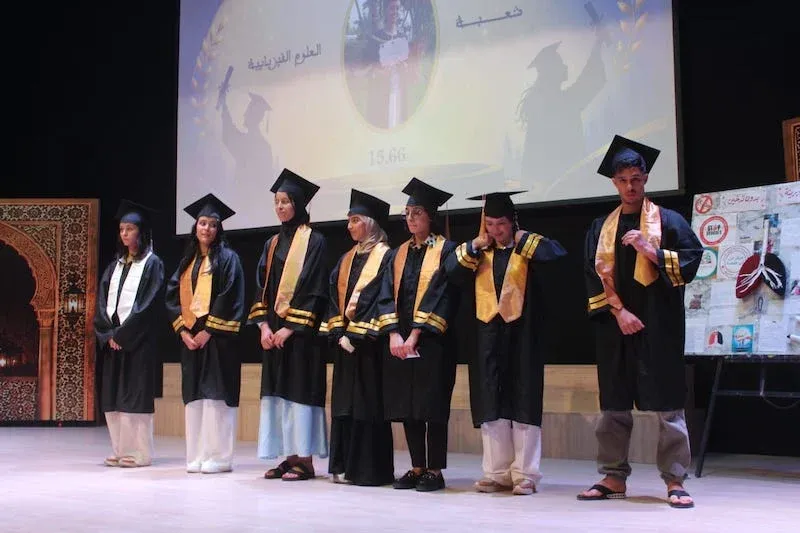
The event concluded with the recognition of outstanding beneficiaries and the honoring of educational and administrative staff, as well as system partners at the academy and regional directorates. This acknowledgment serves as a testament to their dedicated efforts in making this national initiative successful, cultivating a culture of recognition that attributes every success to collective work, collaborative wills, intersecting competencies, and integrated responsibilities.
As reported by hespress.com.