
Marrakech Sees Surge in Tourist Arrivals: Is It Enough to Gauge Sector Performance?
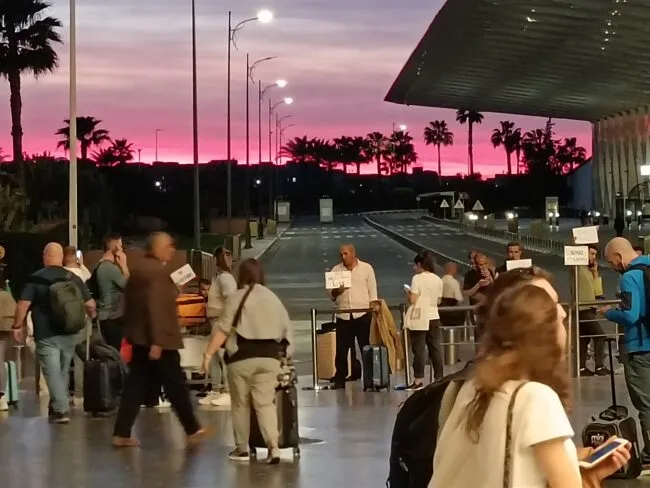
According to recent reports, Morocco welcomed approximately 15.7 million tourists during the first nine months of 2026, reflecting a 5% increase compared to the same period last year. This surge translates to over 717,000 additional visitors, highlighting a robust growth trajectory within the tourism sector. Notably, September alone recorded over 1.5 million arrivals, marking an impressive 8% rise, indicative of the ongoing upward trend in national tourism.
These statistics position Marrakech as one of the premier tourist destinations in the Kingdom, raising pertinent questions about the impact of this growth on the local economy. The tourism sector plays a crucial role in stimulating hotels, hospitality services, restaurants, transportation, travel agencies, and other visitor-related services. However, a significant influx of tourists does not inherently guarantee a corresponding increase in tourism activity within the vibrant city of Marrakech.
To accurately measure the tourism performance in Marrakech, one must consider more detailed metrics, such as the number of overnight stays recorded in classified establishments and guesthouses, hotel occupancy rates, average length of stay for tourists, as well as the revenue generated by businesses operating in the sector. Simply counting the number of visitors does not provide insights into whether tourists are spending longer in the city or increasing their expenditure, nor does it clarify how various tourism stakeholders are benefiting from the resurgence of tourist activity.
Furthermore, indicators regarding the distribution of visitors between domestic tourism and international markets hold significant importance for evaluating Marrakech’s performance, given the differing accommodation styles and spending behaviors among various visitor groups. Monitoring these metrics enables comparisons between tourism demand growth and the city’s accommodation capacity, along with the corresponding effects on revenue for tourism-related enterprises and associated job opportunities. As reported by almarrakchia.net.