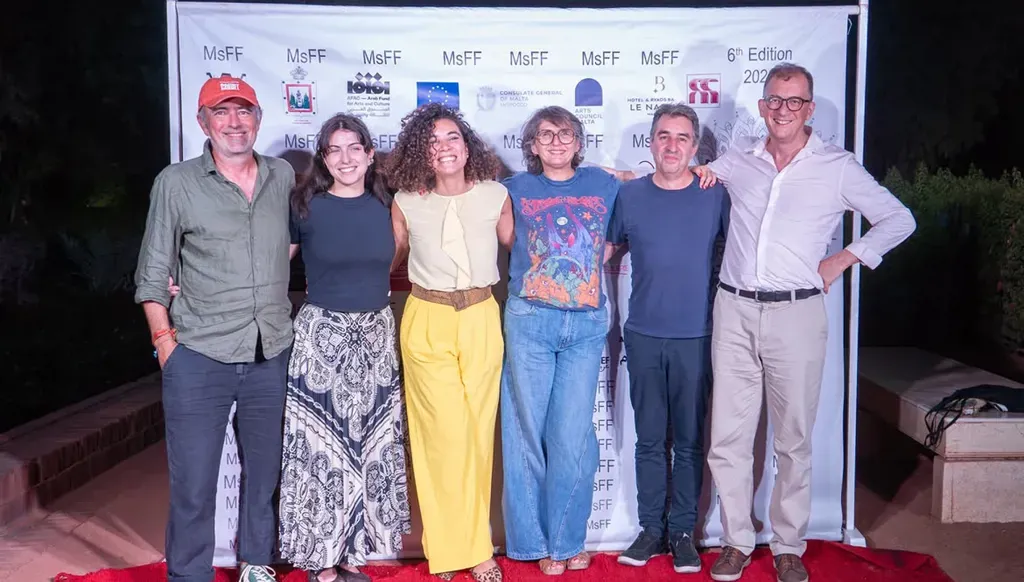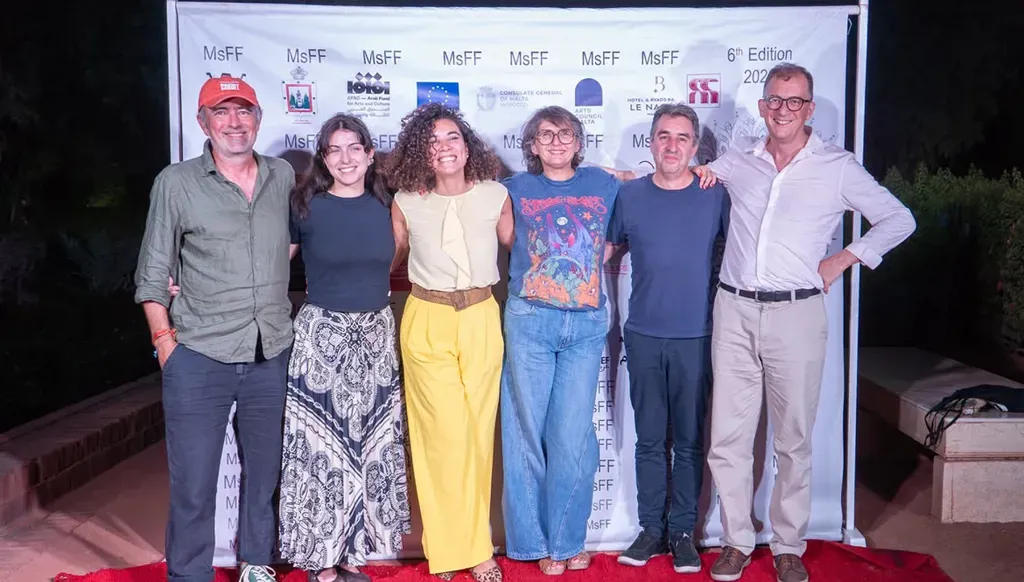

Marrakech Short Film Festival Wraps Up Its Sixth Edition
The Marrakech Short Film Festival officially concluded its sixth edition on Wednesday evening, after several days filled with outdoor screenings and engaging discussions that brought together filmmakers from all corners of the globe. This year’s festival showcased an impressive collection of nearly 400 films from over 90 countries, reinforcing Marrakech's status as a burgeoning hub for short films and a vibrant meeting point for emerging talents to connect with a broader cinematic landscape.
Turkish actress Tuba Büyüküstün chaired the international jury for this edition, marking her first visit to Marrakech after previously attending Casablanca. She expressed her excitement about participating in the festival, which allowed her to engage with cinema from a different perspective than her usual role as an actress, by watching and evaluating short films as part of the jury. In her reflections on the significance of short films, Tuba emphasized their crucial role within the industry, noting that filmmakers often operate with limited budgets, making it essential for them to embrace risk. She found the experience of viewing these bold and experimental films to be immensely rewarding.
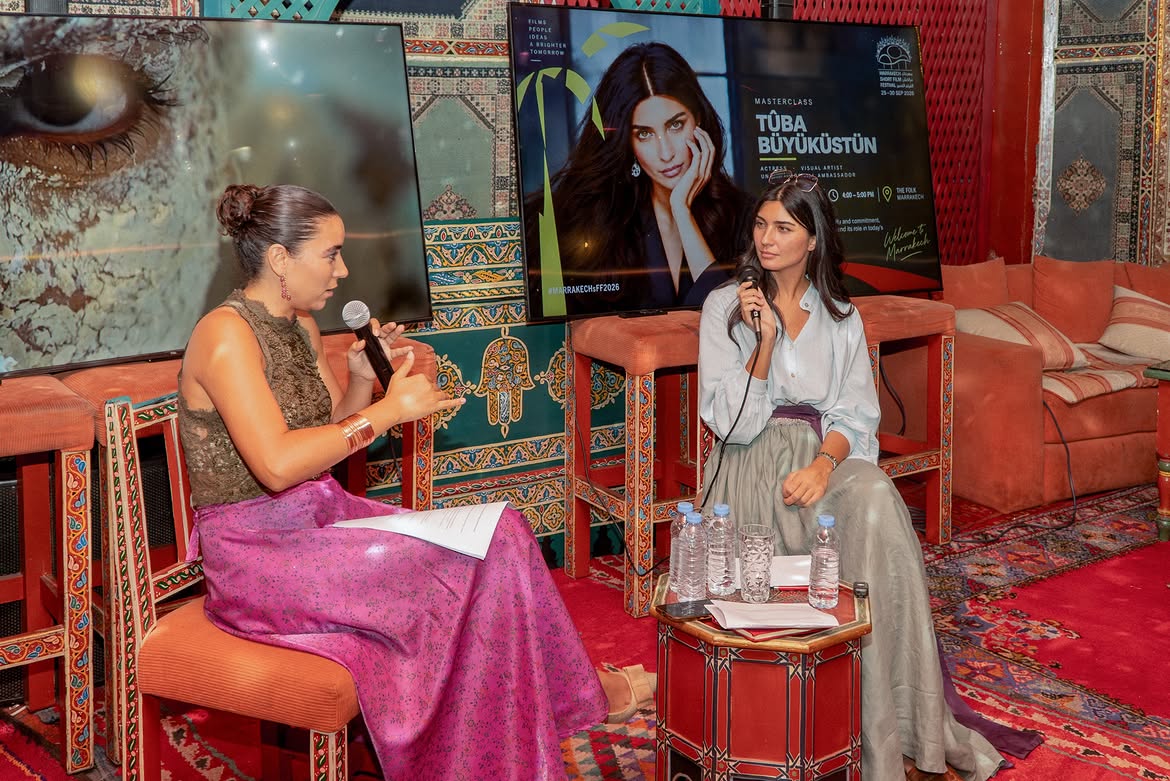
Ramiya Beladel, the founder and director of the festival, lauded Tuba's selection as jury chair as achieving the festival's goal of attracting prominent figures to spotlight short films. She highlighted that Tuba, along with her jury colleagues, brought attention to the short film genre, reaching audiences who are now becoming familiar with it through the lens of Tuba and fellow jury member Rashad Al-Wali.
Amanar: From Concept to Screen
The Amanar (meaning "the guiding star" in Amazigh) platform, a new professional initiative of the festival, concluded its activities after two days of collaboration between 12 international professionals and five Moroccan projects within the Development Lab. The sessions culminated in the "Pitch Your Short Film" event, where three projects received awards. Zahra Barada’s "Fragments of an Ordinary Day" won the ZINEBI Industry Award, while Maria Doubliani’s "Unsettled" received the post-production award from Atlantis Studios Marrakech. Additionally, Saad Benidir's "Avant Première" was honored with the AMANAR Best Pitch Award.
Beladel stated that the Amanar program is a commitment to support short filmmakers in the production and promotion of their films post-screening. This ambition extends beyond just the industry; the festival aims to bring short films closer to the Marrakech audience, not only for residents but also for visitors to the city. She likened Marrakech, historically a stop for caravans, to a destination for short films, fostering a unique Moroccan, African, and global identity while attracting filmmakers from around the world.
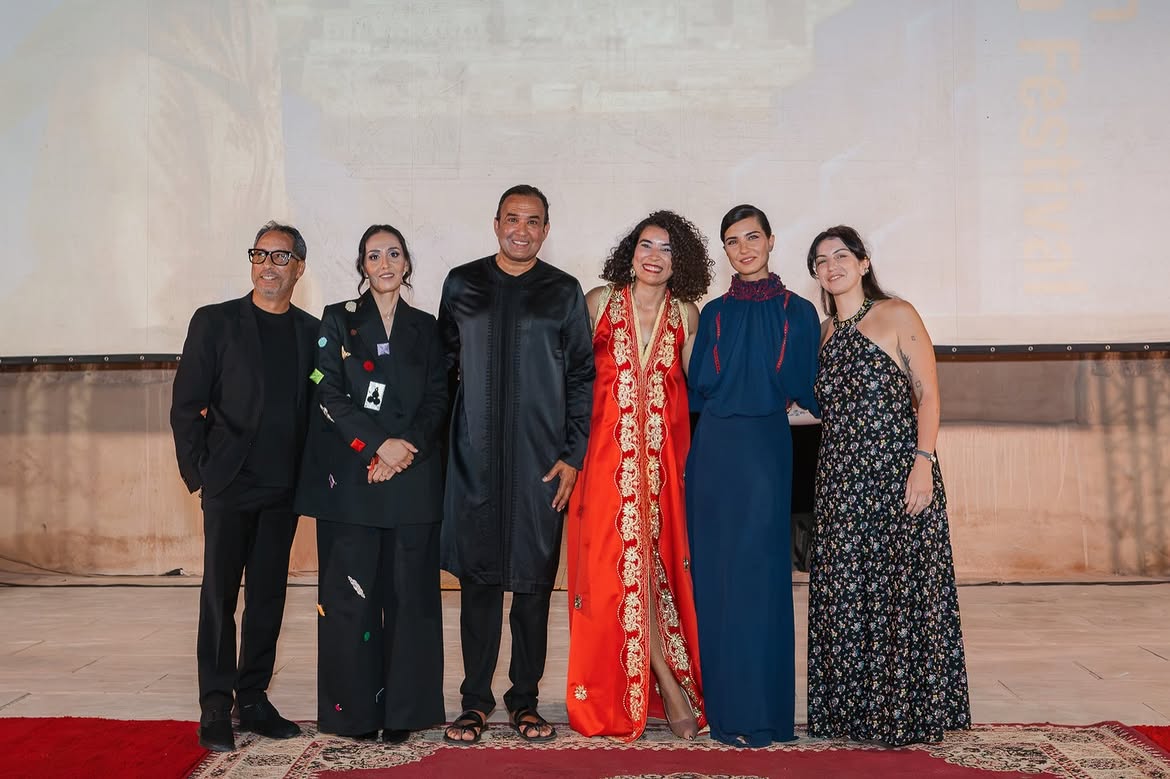
The international competition featured films from countries such as Italy, Iraq, China, Portugal, Australia, Albania, Lebanon, Kazakhstan, Egypt, Spain, Britain, South Korea, and Japan, resulting in several awards for standout works. Giacomo Bendotti from Italy won the Belarj Prize for Best Director for his film "The Bridge," while the Nakhil Prize for Best Film went to "My Brother, My Brother" by Egyptian filmmakers Abdelrahman and Saad Deniour. Kazakh director Maxim Akbarov’s "The Experiment" received special mention from the jury, and Lebanese filmmaker Samir Seriani’s "What If They Bomb Us Tonight" was awarded the jury's choice award.
Alongside Tuba, the international jury included British director Charlotte Regan and Lebanese screenwriter and director Daniella Stefan, who expressed her joy in discovering films from a multitude of countries during her time at the festival, stating that short films are akin to poetry.
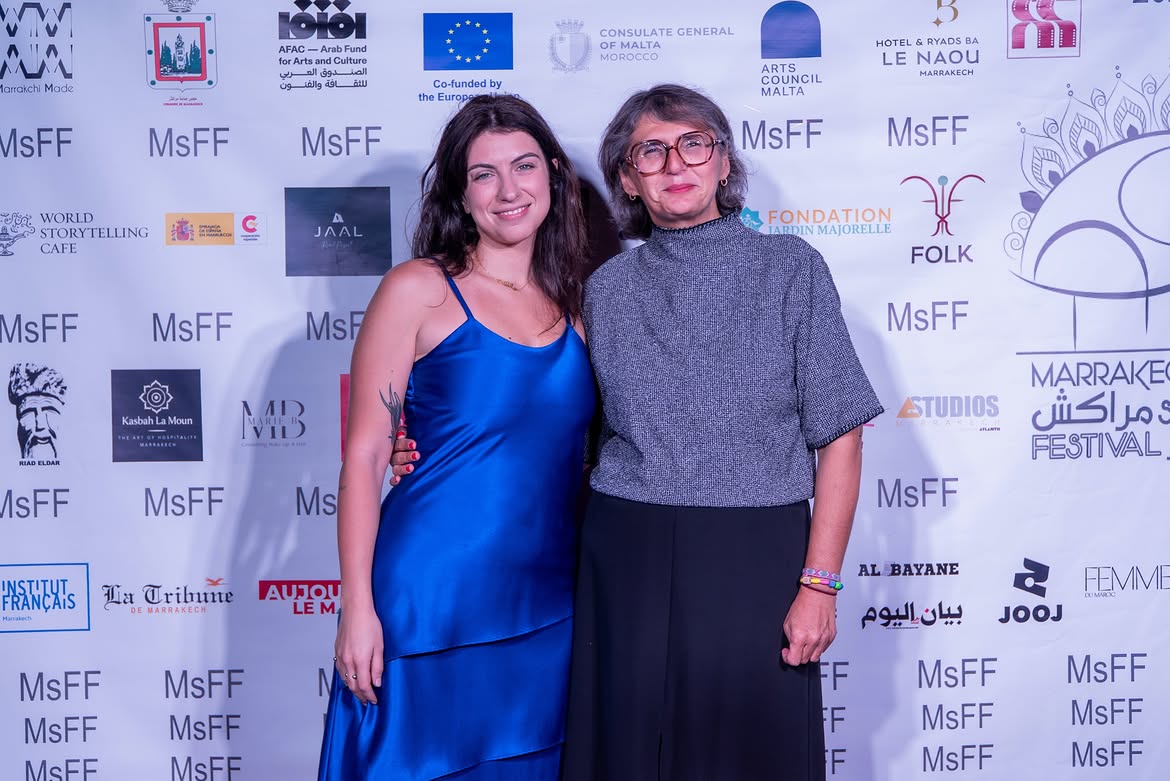
The Moroccan cinema scene was prominently featured in the national competition, which showcased new directors and films reflecting diverse experiences within short filmmaking. The festival provided a platform for emerging talents to present their work to both local and international audiences, as Moroccan short films continue to carve out their unique voice within the broader cinematic landscape.
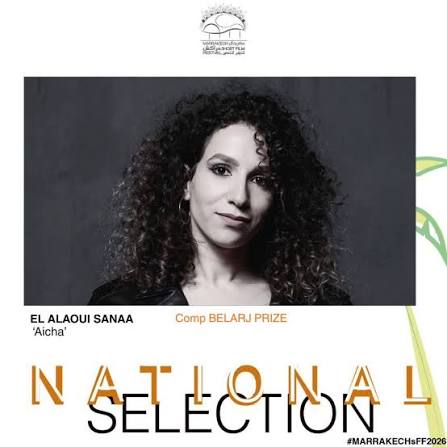
Leading the national jury was Moroccan actor, director, and screenwriter Rashid Al-Wali, alongside actress Jalila Tlemsi and actor and director Hicham Abrahimi. On a national level, the Belarj Prize for Best Director was awarded to Sana Al-Alaoui for her film "Aicha," while Sandiya Tajeddine took home the Bahja Prize for Best Actress for her role in "Les Liens Invisibles" directed by Ayman Ben Slimane. Yassine Ighnifar’s "Two Ways" won the Nakhil Prize for Best Film, and the national jury's choice award went to "Phone Breaker" by Hamza Atifi.
Malta was the special guest of this sixth edition, reflecting the festival’s commitment to cultural diplomacy and using cinema as a medium for dialogue and rapprochement between Morocco and Malta. The two countries have maintained diplomatic ties since 1974, and this relationship has entered a new phase with the opening of Malta's consulate in Casablanca in 2022, paving the way for greater cultural collaboration.
The cultural significance of this partnership is also noteworthy, as the Maltese language has roots in a dialect of Arabic from North Africa, infused with Sicilian and Italian influences, making it the only Semitic language officially recognized in the European Union. The Maltese program showcased nine short films in Maltese and English, spanning drama, animation, and documentary genres, addressing themes of human relationships, family, migration, domestic violence, and Maltese legends and traditions. Among the films presented were "My Dearest Mother," "The Chain," "Bark," and "Unur, Fama u Glorja," along with animated films like "Filfla," "Somewhere," and "Mr. Teddy is Angry."
Additionally, Polish director Adam Zorawicki's film "Cookie Box" explored themes of domestic violence, migration, and underrepresented voices in the media.
With the curtain drawn on the sixth edition of the Marrakech Short Film Festival, the event has fostered a fruitful exchange of screenings, discussions, and workshops that united short filmmakers from Morocco and beyond. The journey of this year’s films will not end in Marrakech; the festival is set to showcase a selection of its standout works in a special presentation at the Arab World Institute in Paris from November 13 to 15, further underscoring the expanding prominence of Moroccan and Arab short films on the international stage.
As reported by annahar.com.