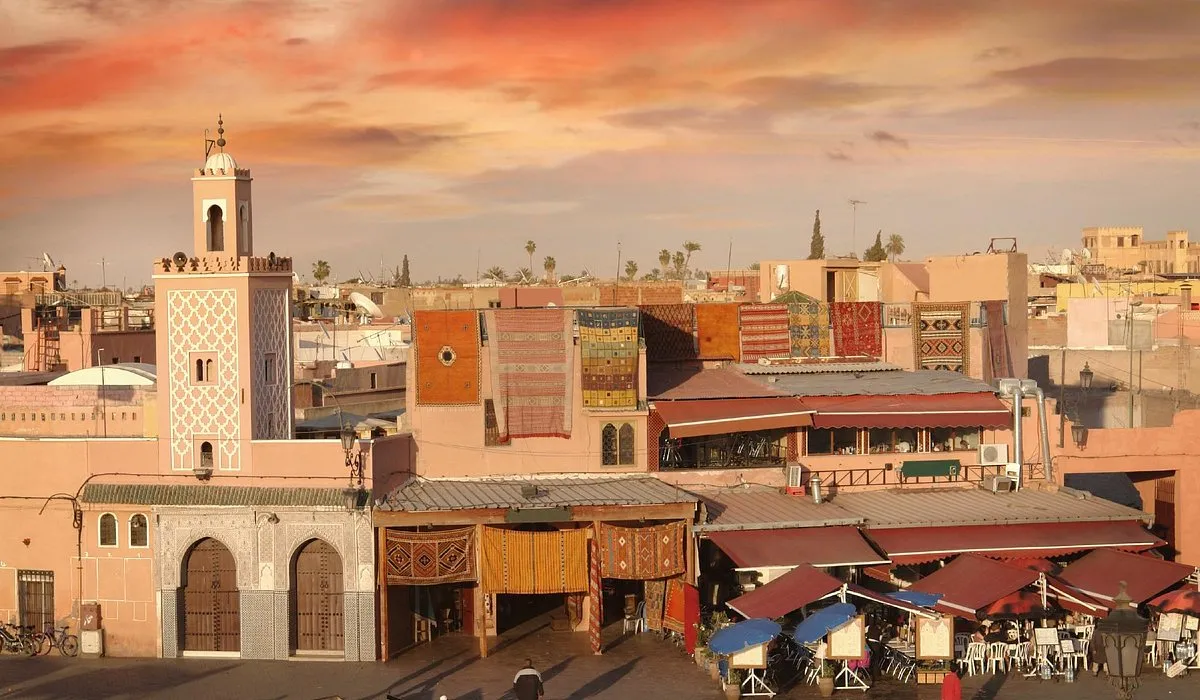

Marrakech has firmly established itself as the leading tourist destination on the African continent, serving as an undeniable international showcase for Morocco. The Marrakech-Safi region is currently the primary engine of the national tourism industry, accounting for a significant portion of arrivals, overnight stays, and sector investments. In 2025 alone, Marrakech recorded over 13.6 million overnight stays in classified tourist accommodations, which represents nearly one-third of the total overnight stays nationwide.
The destination welcomed more than 4 million tourists throughout the year, solidifying its status as the locomotive of Moroccan tourism. This upward trend is expected to continue into 2026, with Marrakech already hosting over 1.65 million visitors and generating nearly 4.7 million overnight stays in the first five months of the year, significantly ahead of other national destinations.
A Globally Recognized Destination
The success of Marrakech is attributed to a unique blend of advantages. Its rich historical heritage, favorable climate, developed hotel infrastructure, diverse culinary offerings, and international recognition have allowed the city to build a globally acknowledged tourist brand. The destination also benefits from the ongoing expansion of air travel. Marrakech Menara Airport is one of the most dynamic platforms in the Kingdom, with a consistent influx of new international routes. Low-cost airlines have played a crucial role in democratizing access to the destination and diversifying the source markets.
Beyond Marrakech, other areas within the region contribute to this momentum. Essaouira is gaining traction thanks to its heritage, UNESCO-listed medina, and appeal to water sports enthusiasts. Meanwhile, Safi is looking to strengthen its position around cultural and beach tourism. The growth of regional tourism is accompanied by significant investments in hospitality, leisure, and infrastructure. International brands continue to expand their presence in Marrakech, particularly in the luxury and ultra-luxury segments. Concurrently, authorities are pursuing investments aimed at enhancing transport and reception facilities. The organization of the 2030 World Cup is expected to accelerate several structural projects, including airport capacity, urban mobility, and tourist development.
Challenges of Rapid Growth
However, this success comes with several challenges. The continuous increase in visitor numbers places growing pressure on natural resources, particularly water. The region is among those most exposed to water stress, and the needs of hotels, green spaces, swimming pools, and golf courses regularly fuel discussions about the sustainability of the local tourism model.
By 2030, Marrakech-Safi is expected to continue playing a central role in the national tourism strategy. The World Cup represents an exceptional opportunity to enhance the region's international visibility and attract new investments. The challenge will be to reconcile growth with sustainability. While Marrakech has demonstrated its ability to draw in ever-increasing numbers of visitors, its future success will depend on its capacity to preserve the resources that underlie its very attractiveness.
With its infrastructure, global reputation, and mature tourism ecosystem, the region has solid assets to maintain its status as the driving force of Moroccan tourism. The key now is to transform this dynamic into sustainable and inclusive development that aligns with the Kingdom's ambitions for 2030.
As reported by fnh.ma.