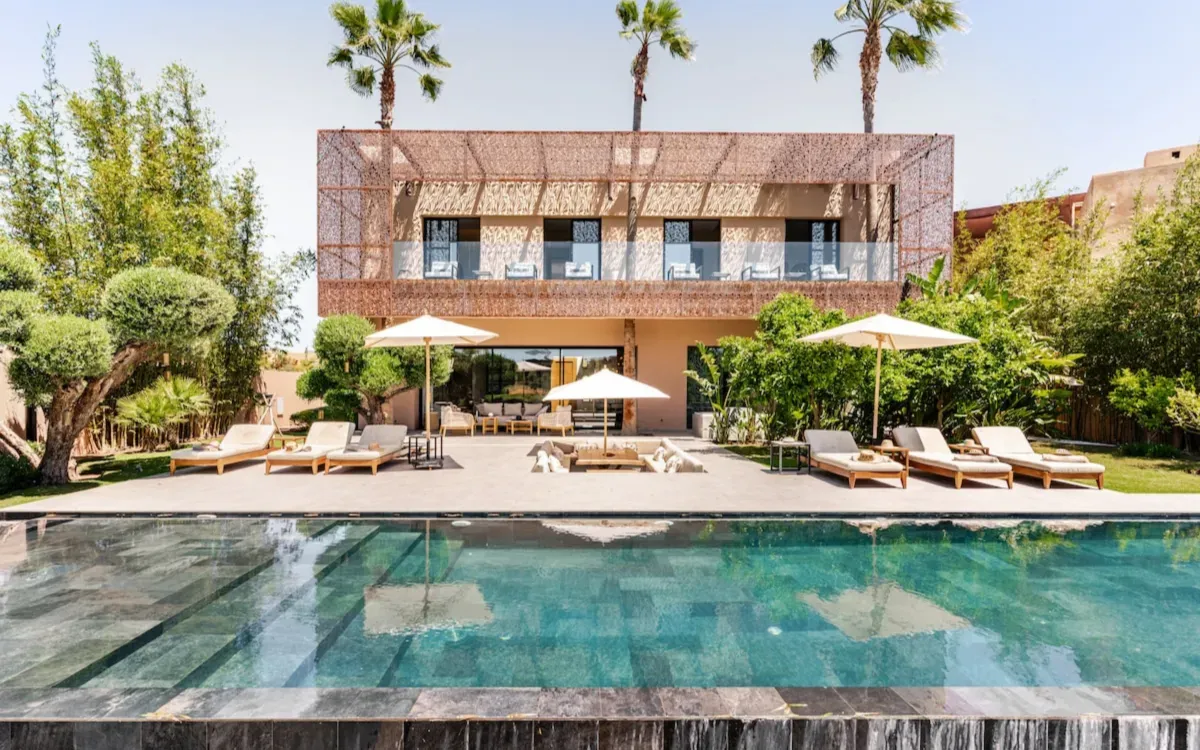

Marrakech is witnessing a dramatic surge in its luxury real estate market, with prices reaching as high as 76,000 dirhams per square meter. This increase is primarily driven by sustained foreign demand and a limited supply of high-quality properties. According to a recent study published by the British firm Knight Frank on May 14, 2026, the price for premium residential real estate in Marrakech ranges between 5,500 and 7,000 euros per square meter, translating to approximately 59,500 to 76,000 dirhams. Exceptional villas can often exceed these price brackets.
While the overall real estate market has stabilized since 2023, high-end properties in areas such as Royal Palm, Amelkis, and the Palmeraie continue to appreciate significantly. Knight Frank reports that prices in these regions have increased by 10 to 15% over the past two years, largely due to persistent demand and a lack of available properties that meet the expectations of affluent buyers. This price escalation follows a notable increase in 2024, indicating a robust upward trend in luxury real estate.
For the entirety of 2026, analysts forecast an additional rise of approximately 6% in the value of prestigious properties. This growth stands in contrast to the more unpredictable trends seen in other segments of the Moroccan real estate market. The buyer demographic is also evolving; while French, Belgian, and British nationals remain prominent in the Marrakech property scene, there is a diversification of the clientele. Increasingly, Moroccan expatriates, particularly those established in the United States, are becoming active participants in the market, alongside buyers from Dubai and families from the Middle East.
Younger, More International Buyers Entering the Market
The traditional dominance of retirees is waning, as buyers aged between 40 and 50, who are often still in their professional careers and accompanied by their families, now represent a significant portion of the demand. Younger buyers are more open to purchasing properties that require renovation, while families and retirees tend to favor move-in-ready homes. Many prospective buyers initially opt to rent, with wealthier individuals typically spending between six months to a year in a villa before making a purchase, allowing them to acclimatize to the neighborhood, assess schools, and experience daily life. This journey from hotel stays to rentals and eventually to property acquisition has become a hallmark of the luxury market in Marrakech.
However, the availability of ready-to-occupy properties remains limited. A considerable number of listings consist of furnished villas being resold by their owners. This scarcity enhances the appeal of well-managed residences and developments that offer guarantees on quality, while projects with less certain finishes struggle to attract buyers. For investors, Marrakech presents enticing rental yields, ranging between 7% and 10%, especially through short-term rentals. The city’s winter climate continues to entice buyers from Northern Europe, and Moroccan expatriates already constitute a vital segment of the foreign real estate demand in Morocco.
Infrastructure developments are expected to sustain this growth trend. Projects linked to the 2030 World Cup include the extension of high-speed train service to Marrakech, reducing travel time from Casablanca to approximately 90 minutes. Additionally, the expansion of Marrakech-Menara Airport aims to double its capacity, with the city already offering direct flights to 111 destinations. Despite prices now reaching 76,000 dirhams per square meter, Marrakech remains more affordable than several comparable European destinations. However, as its international clientele expands and the supply of high-end properties remains constrained, this price differential may continue to diminish.
As reported by bladi.net.