
Marrakech recently transformed into a vibrant hub for dance enthusiasts as it hosted the 19th annual "On Marche" Festival from March 6 to 14, captivating audiences from Morocco and around the globe. This year, coinciding with the holy month of Ramadan, the festival focused on themes of introspection, community engagement, and spiritual exploration. Open and free to the public, On Marche aims to foster a deeper connection with contemporary dance, positioning it as a dynamic dialogue between movement and cultural expression.
The festival, established by the visionary Moroccan choreographer Taoufiq Izeddiou, has evolved into one of the most significant platforms for contemporary dance not only in Morocco but across the African continent. Izeddiou considers this festival to be a labor of love and a source of immense pride. In an interview with Morocco World News, he elaborated on the festival's personal significance, stating, “It’s my baby. It’s a source of pride. It’s a meaning and a point of reference. And it’s the origin of the life of contemporary dance.” He highlights the importance of creating a space where artists and audiences can come together to share knowledge and experiences, emphasizing that dance is multifaceted and subjective, inviting diverse interpretations and expressions.
On Marche stands out for its international character, drawing participants from various countries, including South Korea, Spain, France, Germany, Mozambique, Algeria, Egypt, and Switzerland. Izeddiou notes that this gathering allows artists to break out of their comfort zones and engage with perspectives they might not encounter otherwise. He remarked, “In the end, it’s a question of the body. We all resemble each other in our thinking and in our commitment, and then everyone creates their own version.” Festival participants echoed this sentiment, appreciating the unique opportunity to exchange ideas and learn from one another. Yigyeong Ha, a dancer from Busan, South Korea, shared how the experience broadened her team’s artistic perspective, likening it to a “move to the third dimension.”
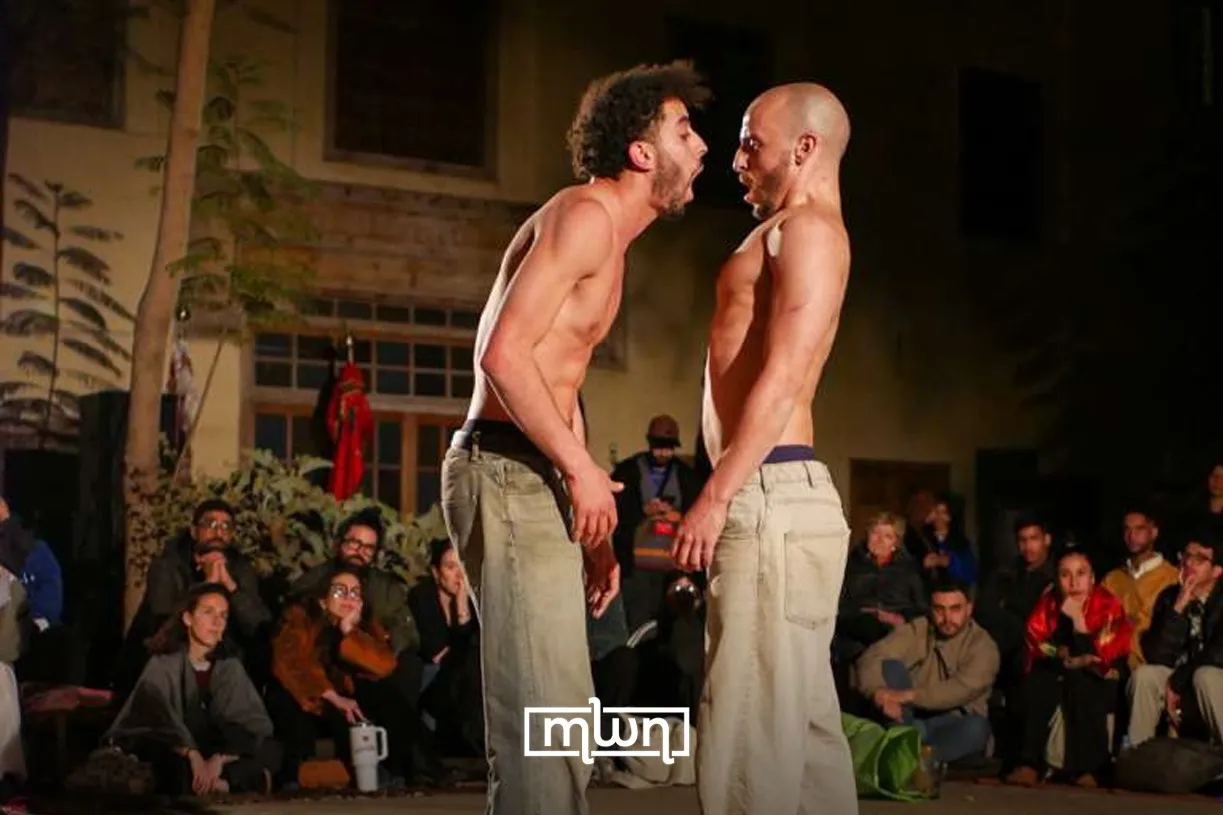
In addition to showcasing international talents, the festival also plays a vital role in nurturing emerging Moroccan artists. This year featured the fourth edition of the “Taklîf” competition, which focuses on young choreographers from Morocco and its diaspora. Hanane Solani, a participant in the program, described the experience as both challenging and invigorating, stating, “Even though it’s Ramadan and even though it’s been tough, I feel energized. I think the important part is the gathering. I feel that’s what I cherish the most.” This sense of collaboration was reflected in the works of dancers Salmane Bougari and Achraf Chadli, who created their first joint performance after years of friendship, seizing the opportunity to express their individuality through dance.
On Marche's commitment to accessibility is a defining feature, as it seeks to democratize dance by making it available to a broader audience. Izeddiou passionately explained the necessity of this approach, stating, “For me, it’s important that it remains accessible—that it doesn’t stay elitist, only for people who can pay.” He acknowledges the financial challenges that come with such an ethos but remains steadfast in his belief that high artistic standards can be maintained irrespective of resource limitations. He articulated the struggles faced by many dancers who come from modest backgrounds, underscoring that dance should be a gift shared freely with the community.
Moreover, the festival serves as a platform for artists to express socio-political themes through dance. Choreographer Mehdi Dahkan's performance “KMS of Resistance” embodied this notion, using breath and movement as symbols of resilience. Dahkan emphasized the power of the body in reclaiming agency, stating, “Your body is the only thing you really have control of. It’s the first thing you can actually resist with.” This political dimension of dance is often implicit in Morocco, where the act of dancing can be seen as a form of resistance against societal norms. Dancers such as Mohamed Lamqayssi and Youness Atbane echoed similar sentiments, exploring the nuances of political expression within their works.
As the festival continues to flourish, Izeddiou remains optimistic about its future and its role in shaping the landscape of contemporary dance in Morocco. He encourages young dancers to persist in their artistic journeys, emphasizing the importance of understanding one’s roots and cultural heritage. He believes that meaningful artistic expression emerges from a deep connection to one’s own history, as well as an awareness of global cultural contexts. “Dance cannot continue through copy-and-paste, it has to be invented,” he asserts, urging artists to tap into their childhood experiences and the richness of their surrounding environments. With its commitment to innovation and community, the On Marche Festival is poised to remain a beacon of cultural exchange and artistic growth in Morocco and beyond.
As reported by moroccoworldnews.com.